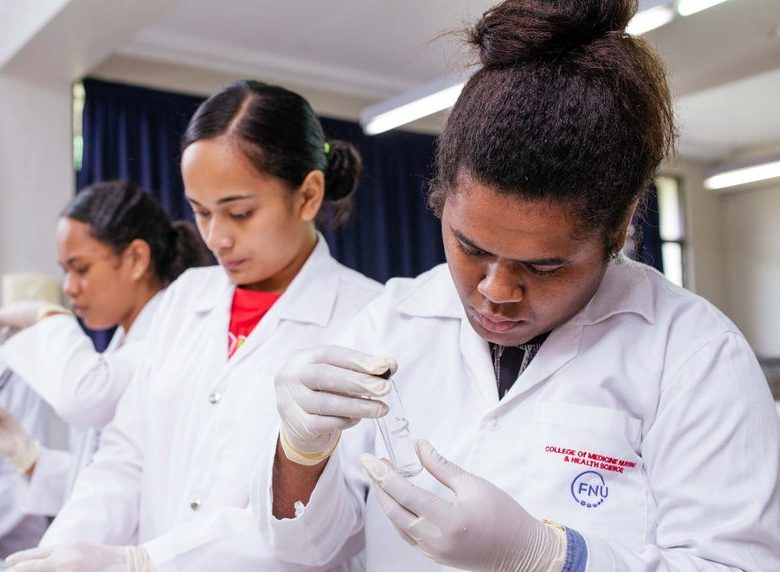
THE biggest challenge for Fiji’s medical students is not the work in hospital, but the sudden jump from classroom to clinic, a new survey has found.
Raijeli Waqainabete presented at the Fiji Medical Annual Scientific Conference 2026 on Friday saying that while clinical years are rated “very useful,” students struggle most with the abrupt transition from pre-clinical Years 1-3 into the wards.
“Students found that they were immediately thrown into a clinical field with little to no guidance,” she said.
The pace difference was a key concern. In Years 1-3, students use problem-based learning where “one disease takes us about two to three weeks to cover”.
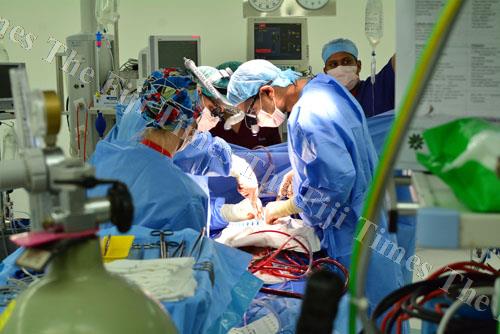
In contrast, in the wards they are expected to assess, diagnose and manage patients immediately, on top of assignments and presentations.
Ms Waqainabete also raised concerns about procedural skills. She cited core procedures listed in student logbooks, venipuncture, cannulation, and IDC insertions.
“Currently these are procedures that we have to do. And so, we have zero skills, and so we are practically assumed to go out and sort of practise on, sometimes on each other, sometimes on live patients,” she said.
Despite the challenges, students still rated their clinical attachments in Years 4 and 5, and trainee intern postings in Year 6, as “very useful” overall for turning theory into practice.
Large hospitals like CWM Hospital were praised for case volume and variety. “It also allowed us to sort of identify what diseases are becoming more prominent,” Ms Waqainabete said, citing diabetes complications and HIV in younger patients.