
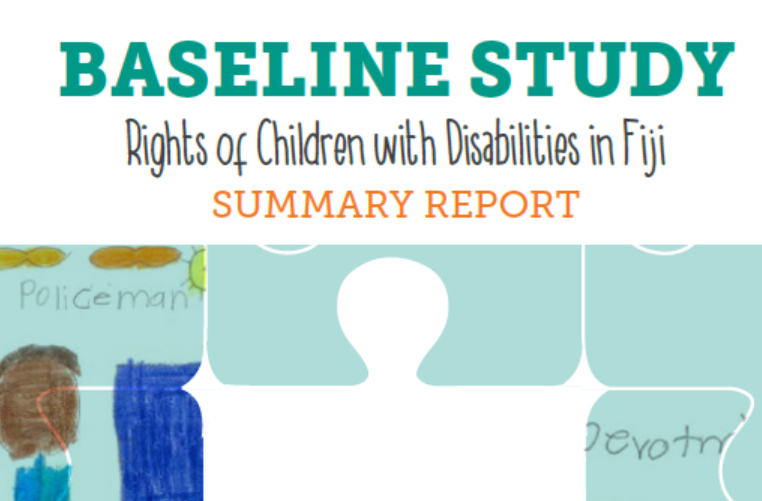
Children with disabilities in Fiji face a significantly higher risk of abuse, neglect and barriers to justice despite progress in making services more inclusive, according to a new baseline study released by the Fiji Human Rights and Anti-Discrimination Commission.
The report, Rights of Children with Disabilities in Fiji, found that communication barriers, inaccessible environments, under-reporting of abuse and gaps between legislation and implementation continue to undermine the safety and rights of children with disabilities.
The study includes disturbing accounts of sexual abuse involving children with disabilities.
“There’s a case of sexual abuse. Poor child living with disability… And pregnant, gave birth… She was not able to communicate it to us.”
The report says girls with disabilities, children with communication impairments and those living in rural communities face the greatest vulnerabilities.
It found neglect is the most common safeguarding issue, with children reportedly being left home alone, locked in rooms, denied healthcare, food and clothing, or abandoned to the care of grandparents.
The study also documents cases of girls with disabilities becoming pregnant after sexual abuse.
In one case, a child underwent tubal ligation after a third pregnancy instead of the abuse being reported.
In another, a mother attempted to sterilise her daughter without her consent.
Researchers say abuse often goes unreported because perpetrators are family members, communities rely on traditional reconciliation, victims are unable to communicate what happened or fear they will not be believed.
The report also highlights challenges within the justice system, including communication barriers and the failure of frontline responders to identify children with disabilities.
However, it notes several positive initiatives already in place.
These include courts providing sign language interpreters, using dolls to help child victims communicate, allowing support persons to accompany children during proceedings, using privacy screens and pre-recording evidence.
Judges have also removed wigs and robes to create a more child-friendly courtroom environment.
The study further found that children with disabilities remain largely invisible in Fiji’s digital safety systems and face additional challenges during disasters because evacuation centres are not always fully accessible.
The Commission says the findings highlight the urgent need for stronger protection systems, improved disability awareness, better reporting mechanisms and more inclusive services to ensure children with disabilities can live safely and access justice equally.

