
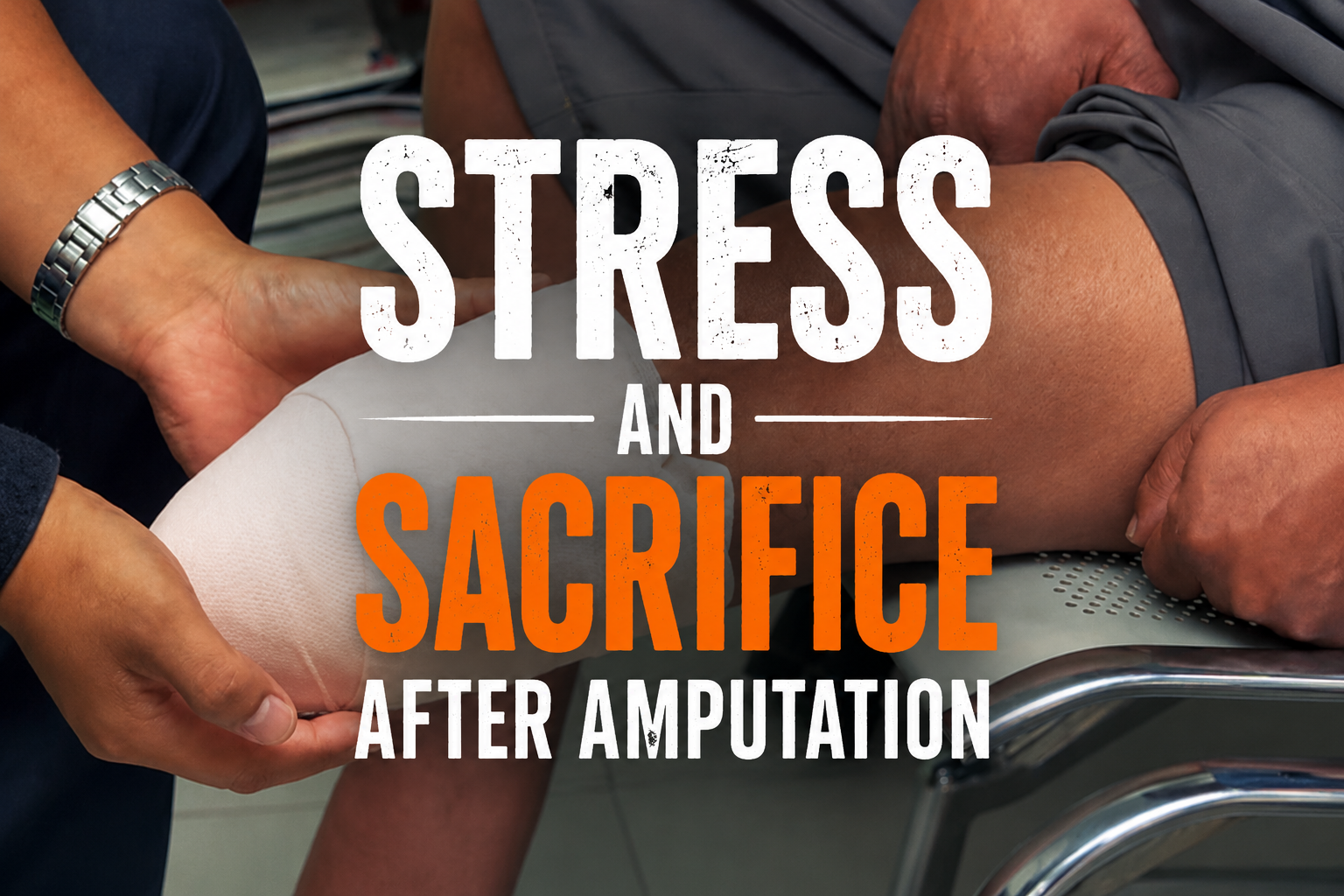
Family members caring for relatives who have undergone amputations face significant emotional, physical and financial challenges, according to a new Fiji-based study published by researchers from the Fiji National University’s School of Nursing.
The pilot study, titled Challenges Faced by Family Caregivers of Relative’s Post Amputation, explored the experiences of a caregiver looking after her husband following a lower limb amputation caused by diabetes. The research highlighted the often-overlooked burden carried by family members who become full-time caregivers after patients are discharged from hospital.
Researchers found that caregivers frequently experience sadness, frustration, social isolation and exhaustion while struggling to meet the daily needs of amputees.
The participant in the study described how her life changed dramatically after her husband’s amputation, becoming solely responsible for his care while also looking after grandchildren.
“Yes, I do get tired and angry for what has happened. My sons are not with us,” she told researchers. “We do not have any transport, we must do everything by ourselves.”
The study identified four key themes: sadness and frustration, changing family responsibilities, neglect of self-care, and a lack of knowledge and competence in caring for an amputee. Researchers found that the caregiver often sacrificed her own health and wellbeing to support her husband.
“One of my legs is also bad and I can’t walk very well, but nobody is here so I must look after him,” she said.
The caregiver also revealed that she received little training before her husband was discharged from hospital.
“The training is not enough,” she said, adding that she had largely learned to manage medications, mobility issues and wound care on her own.
Lead researchers said the findings highlighted the urgent need for stronger support systems for caregivers, including training, counselling, financial assistance and improved discharge planning.
The study noted that Fiji continues to record high rates of diabetes-related amputations, with hundreds of amputations performed annually across the country’s major hospitals. This places increasing pressure on families who often become the primary source of care once patients return home.
Researchers concluded that caregivers should receive ongoing support from healthcare professionals through home visits, counselling services and practical training to reduce caregiver burden and improve outcomes for amputees.
“Caregivers need to be trained adequately and supplied with ample resources to enable efficient caring for the amputated patient,” the study stated. “The burden of caring for relatives must be shared with other people around them, especially relatives and friends.”

