
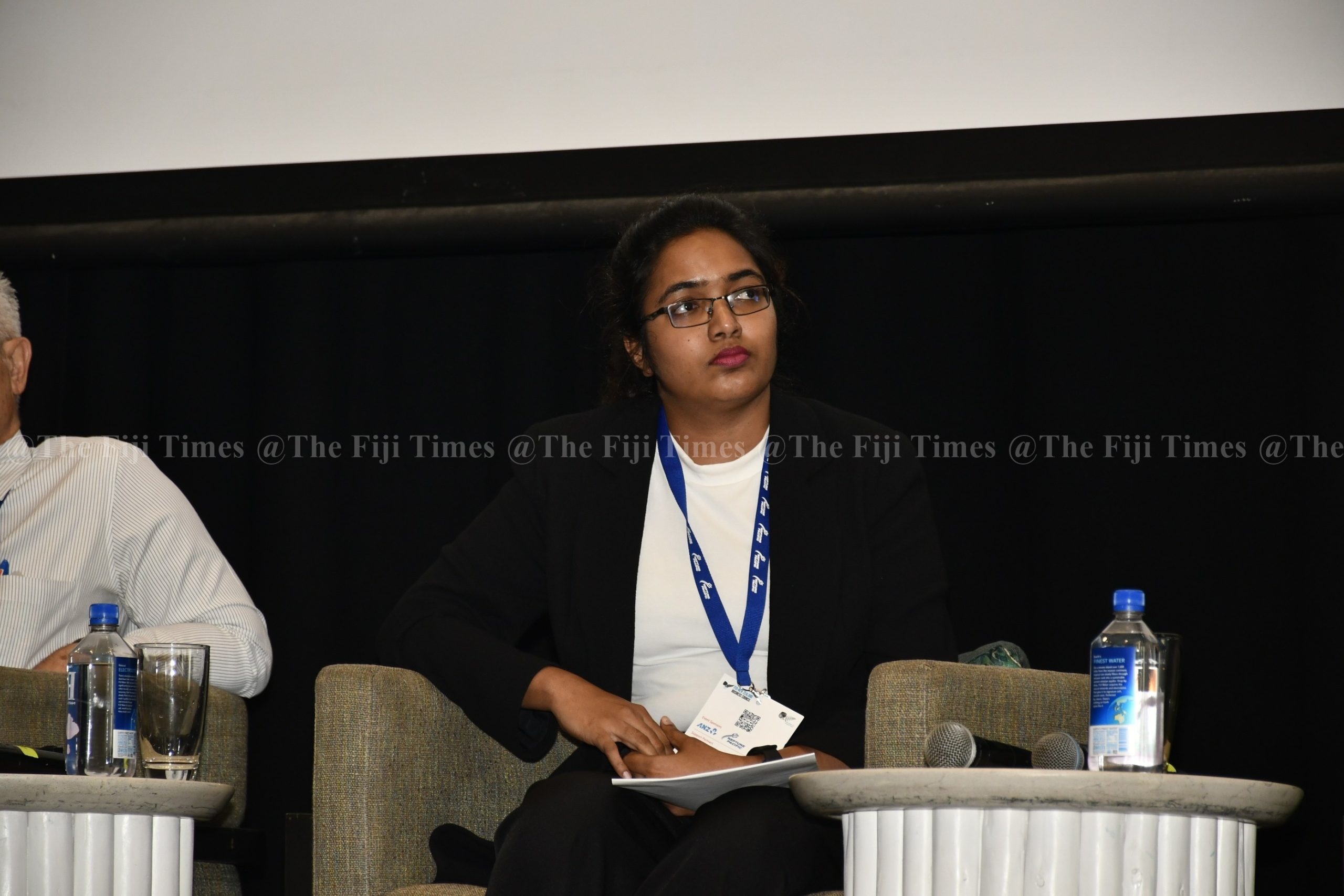
St Giles acting chief Medical officer Dr Afia Zahin says efforts are being made to reduce harm from the impact of Fiji’s drug crisis despite our regional neighbour New Zealand having started its own efforts in 1988.
“You’d be surprised to know that New Zealand has started the harm reduction strategy back in 1988 and New Zealand was one of the first countries who had started government-funded needle syringe exchange program back in 1988,” she said.
“So, I feel that we have a lot to learn from our neighbours and hopefully we can achieve that in future, if I’m talking about in terms of the medical perspective.”
Dr Zahin said every drug user came with a mental health issue and were likely to suffer from anxiety or stress at home.
“As business owners, bosses, employers, we have to understand that the workplace can be both nurturing and damaging at the same time.
“At least we can ensure that we do whatever it is that is in your capability to help somebody who might be suffering.
“So next time you see an employee who had been at their best game, not turning up at work, not answering phone calls, unable to meet deadlines, please do not forget to ask them how they are and mean it.”
Dr Zahin urged employers to be firm with staff who are suspected of using drugs.
“Don’t let your team members fall through the gaps. I feel that as bosses, if you are able to provide a safe space for your employees to come to you that they have a problem, before your workplace gets affected, you will be able to direct them to the correct direction.”
Dr Zahin said it was vital for employers to not act like a law enforcement body when faced with an employee using drugs.
“Nobody wakes up one day and decides to take drugs. There is a story behind everyone’s reasoning, and I think that is where the mental health professionals come in.”

