
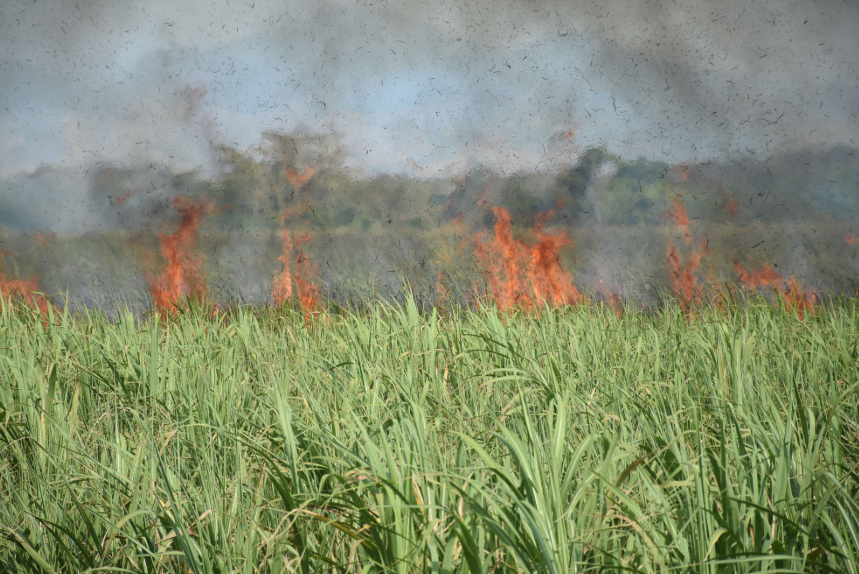
The Fiji Sugar Corporation is urging cane growers to stop burning sugarcane, warning that high volumes of burnt cane are reducing sugar recovery, increasing production costs and placing additional pressure on mill operations.
In a statement, FSC said that as of 7:00am on 29 July, burnt cane accounted for 20 per cent of all cane delivered nationally since the start of the 2026 crushing season. Over the previous 24 hours, 55 per cent of cane delivered to Rarawai Mill, 44 per cent to Lautoka Mill and 12 per cent to Labasa Mill had been burnt prior to harvest.
FSC said burnt cane deteriorates rapidly after harvesting, reducing its natural sugar content and resulting in lower sugar extraction during milling.
The Corporation said burnt cane also contains more impurities, requiring additional chemicals and more intensive processing to maintain sugar quality. It said this accelerates wear on factory equipment, reduces factory throughput and increases operating and maintenance costs.
FSC said it continues to invest heavily in improving mill reliability and operational efficiency, but those efforts are undermined when excessive volumes of burnt cane are delivered for processing.
The Corporation is encouraging growers to harvest green cane wherever practical and deliver it to mills as quickly as possible, saying this would improve sugar recovery, lower processing costs and support a more sustainable sugar industry.
FSC also acknowledged growers who continue to deliver fresh, high-quality cane and called for the continued cooperation of all industry stakeholders to improve cane quality throughout the remainder of the 2026 crushing season.

