Political parties would be limited to spending $3 million on an election campaign, while individual candidates would face a $300,000 spending cap, under a Bill tabled in Parliament today.
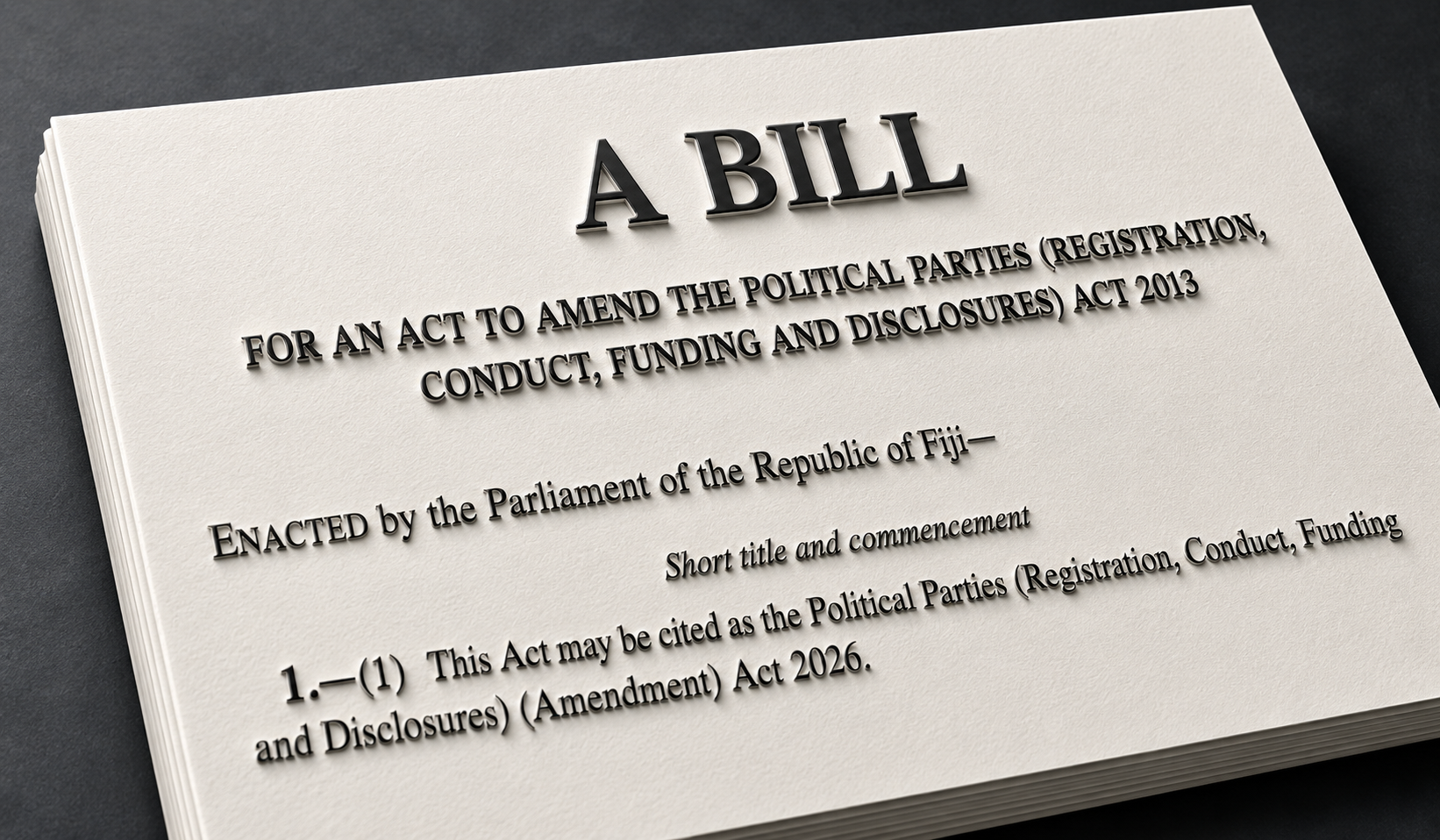
The Political Parties (Registration, Conduct, Funding and Disclosures) (Amendment) Bill 2026 proposes new campaign expenditure limits applying to political parties, party candidates and independent candidates.
Under the proposed new section 24, the limits would apply from the first day of the campaign period until the 60th day after polling day.
“A candidate (whether an independent candidate or a political party candidate) must not spend more than $300,000 on his or her election campaign,” the Bill states.
It says a political party “must not spend more than $3,000,000 on its election campaign”.
The proposed spending limits would cover more than expenditure made during the official campaign period.
Any income pledged or expenditure incurred outside the prescribed period for use during the campaign period would also count towards the spending ceiling.
The Bill also specifically addresses traditional or protocol gifts made when campaigning in villages and communities.
Any gift given by a candidate or political party to a village or community group as protocol, or for a similar purpose, solely to obtain permission to enter its territory would count towards campaign expenditure and would have to be declared.
However, the Bill states that such a gift, when properly declared under section 25, would not constitute bribery under section 140 of the Electoral Act 2014.
Breaching the proposed $300,000 candidate limit or $3 million political party limit would be classified as a corrupt electoral practice.
The explanatory note says the introduction of campaign expenditure limits is intended to “create a level playing field for all political parties and candidates.”
The Bill forms part of proposed changes to the Political Parties (Registration, Conduct, Funding and Disclosures) Act 2013.