
CUSTOMS administrations in Fiji and the Pacific are under growing pressure as transnational organised crime networks increasingly target regional maritime and aviation routes.
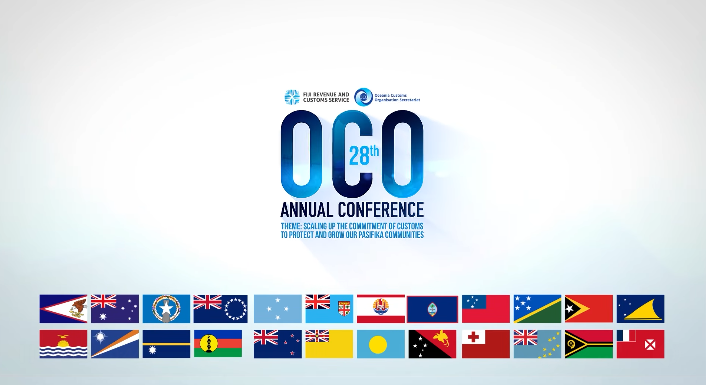
This comes after Oceania Customs Organization chairperson and Fiji Revenue and Customs Service CEO Udit Singh announced that Fiji is preparing to host the 28th Annual Conference of the Oceania Customs Organization from June 2 to 4 this year.
Yesterday, Mr Singh said recent large-scale narcotics seizures across the Pacific had highlighted the growing interest of organised criminal networks in exploiting regional maritime and aviation routes.
Mr Singh said other threats, including human trafficking, illicit financial flows, Customs fraud, environmental crimes and the smuggling of prohibited goods, continued to pose significant risks to the social and economic wellbeing of Pacific nations.
“The conference would focus on strengthening regional co-operation and building the capability of Customs administrations to respond to these challenges,” Mr Singh said.
“Customs today is far more than a border agency.
“We are guardians of our communities, facilitators of trade, protectors of government revenue, and partners in economic growth.”
Mr Singh said while Pacific nations were geographically dispersed, they faced many common border security challenges that required collective action.
He said the scale and complexity of modern border threats meant no country could address them alone.
“Regional co-operation is essential. When one Pacific border is strengthened, the entire region becomes safer and more secure.”
Mr Singh said the Pacific occupied an increasingly important position within global trade and transport networks, making effective Customs administrations critical to both regional and international security.
He said the region sat at the crossroads of major maritime and aviation routes connecting Asia, Australasia and the Americas.
“Strong Customs administrations help protect these trade corridors while ensuring legitimate goods, travellers, and investment continue to move efficiently across our region.”.
The conference will also feature contributions from international partners, including the World Customs Organization, the United Nations, the World Bank and other regional stakeholders.

