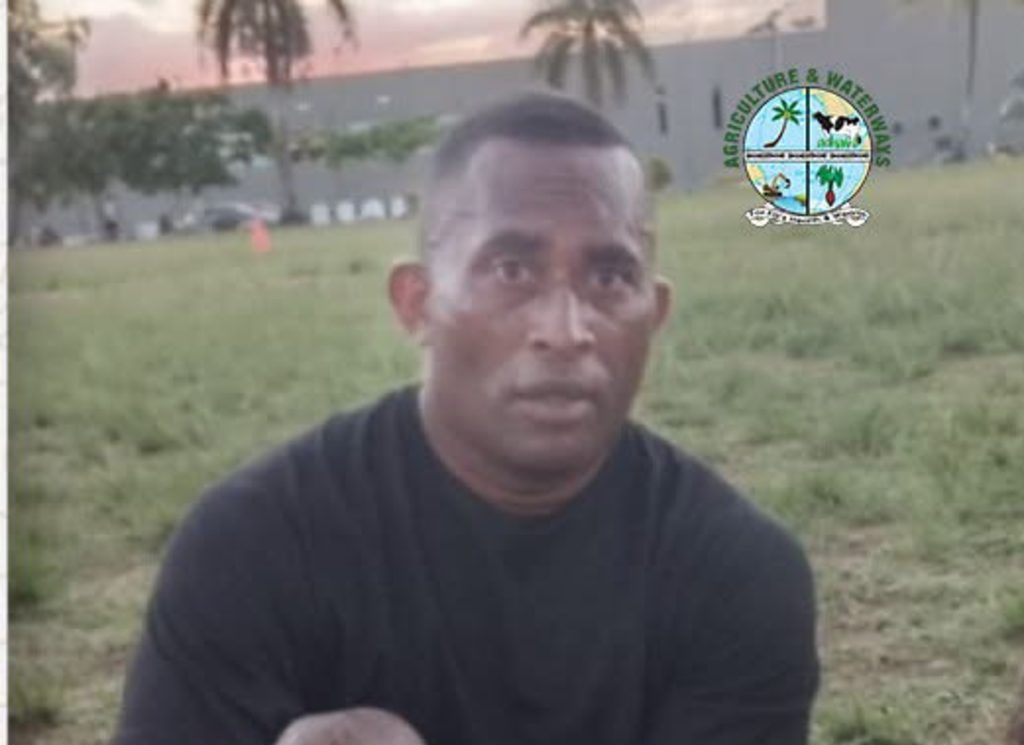
In Dakuni Village, in the district of Sawau on Beqa Island, Eroni Dolodoi has cultivated more than just crops — he has cultivated a second chance.
The 45-year-old farmer believes the land saved his life.
In 2003, Eroni was imprisoned for three years, an experience that could easily have defined his future. Instead, he chose to let it reshape him.
Upon returning home, he turned to farming, determined to rebuild his life with dignity and purpose.
“The land is our greatest gift,” he said.
“It can change your life if you are willing to work it.”
Today, his farm reflects careful planning and perseverance.
His dalo is planted in staggered six, five and three-month cycles, while his yaqona is cultivated in six, four and three-month stages to ensure continuous production throughout the year.
The Ministry of Agriculture and Waterways recognised his commitment through its 2025–2026 Yaqona Program, providing him with an $8000 farmhouse to support his farming operations.
For Eroni, the small building represents far more than shelter.
“It gave me hope. It showed me that people believed I could make something of my life.”
His days are now spent tending crops, maintaining his farm and providing for his family.
The routine, he says, has given him the discipline that once seemed out of reach, while the soil has offered him a sense of belonging.
But his greatest harvest may be the message he shares with young people and former prisoners across Fiji.
“Do not waste your freedom. There is land — make use of it. The soil is waiting for your hands,” he said.
“Farming will give you dignity, discipline and a future. If I can rise again after prison, so can you.”
Eroni hopes his journey reminds others that mistakes do not have to become lifelong identities.
“Mistakes may mark a chapter,” he said, “but choices write the story.”
His choice was to return to the land — and in doing so, he found redemption.