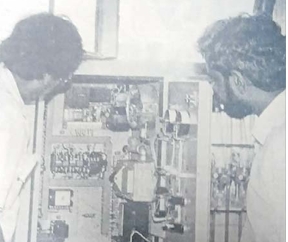
Fiji’s Meteorological Service received an $80,000 electrolytic hydrogen generator from American aid to produce gas for weather balloons at Nadi Airport.
The Fiji Times reported on Monday, May 12, 1986, that the machine was the first of its kind in Fiji. It came with a back-up electricity generator worth about $5000.
Ram Krishna, the Director of Meteorological Services then, explained how the generator worked.
“The electrolytic generator produced hydrogen by splitting water molecules through the use of electricity,” he said.
He said the new machine would save money and improve reliability.
“In the past, we used hydrogen imported from Australia at considerable expense. With the installation of the generator, the hydrogen was produced much more cheaply and provided greater reliability.”
The machine was put into operation at the Nadi Airport Weather Office that week. The aid was provided through the WMO (World Meteorological Organisation) Voluntary Assistance Programme.
The generator reduced costs and improved self-reliance for Fiji’s weather service, reflecting how international cooperation was helping to modernize technical services in the region during the 1980s.