AN Officer Training School for senior Fiji Military Forces (FMF) officers was expected to open in June 1990, providing formal military education that had previously been obtained through overseas training.
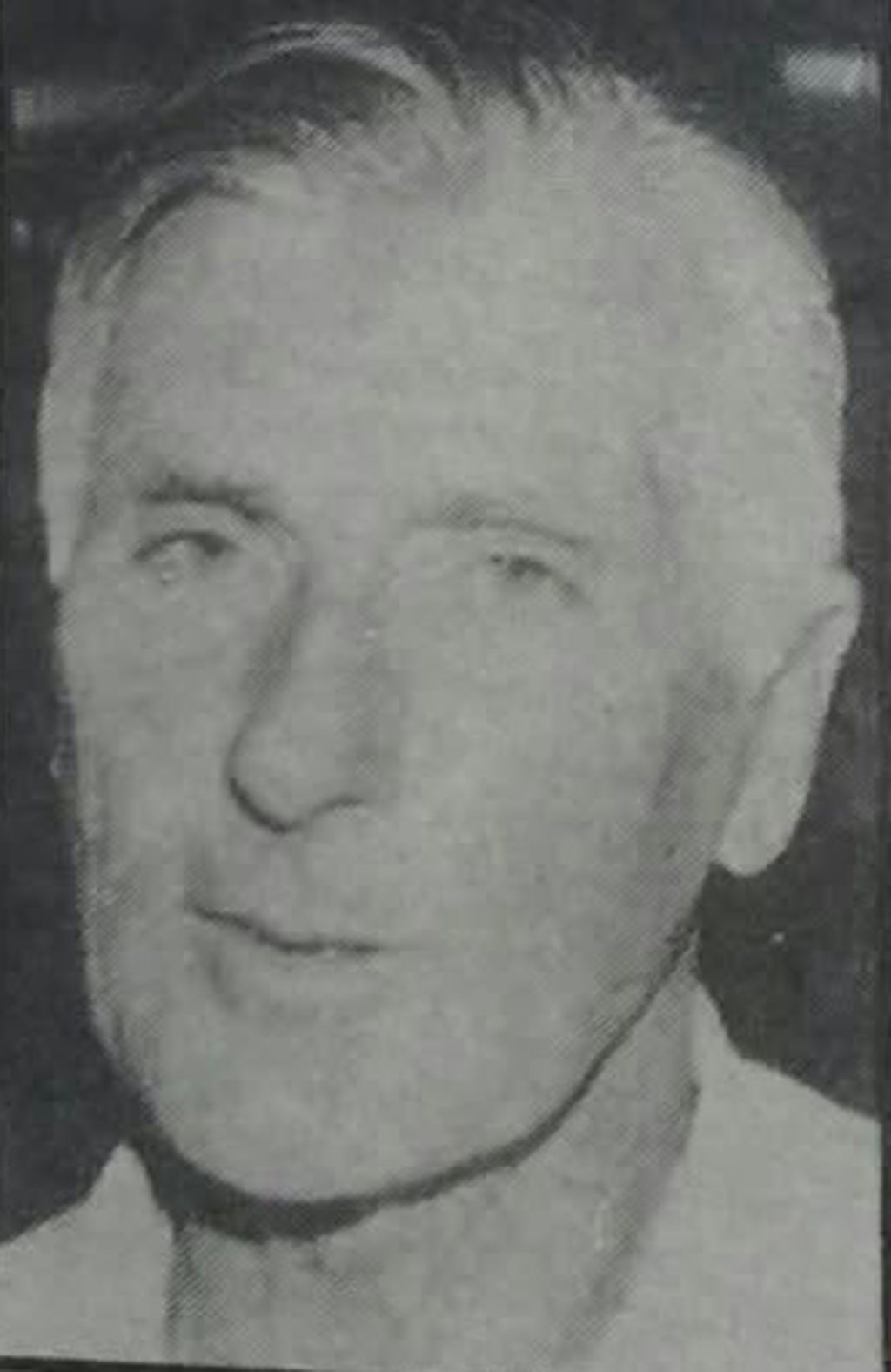
FMF commander Brigadier Ian Thorpe featured in a report in The Fiji Times on March 2 that year, saying the school would cater to officers between the ranks of lieutenant and major.
Brigadier Thorpe said the search for a suitable site would begin that day, with a location expected to be secured by the following week at the latest.
He anticipated that the school would initially offer elementary-level classes, with the Fiji Government covering the cost of establishing the institution and his secondment to the FMF.
“The new school will provide formal education and will be a substitute for previous overseas training in Australia and New Zealand for Fiji officers,” he said.
Australia and New Zealand had suspended all military aid to Fiji following the country’s two military coups in 1987, creating a need for the FMF to develop its own training arrangements.
Brigadier Thorpe said Fiji soldiers had gained sufficient practical experience through peacekeeping duties in Lebanon and Sinai but lacked formal military education.
“This was greatly felt after Australia and New Zealand pulled out military aid, and the army commander (Major-General Sitiveni Rabuka) initiated the idea of a training school.”
“I readily accepted the offer to head the school when approached by the commander, and it’s good to be back in Fiji.
“I was always keen on coming back to Fiji, and this was one of the reasons for accepting the offer.”
Brigadier Thorpe had left the FMF in September 1982 after serving three years as its commander.
He subsequently worked as an executive at an exclusive tourist resort in Rotorua, New Zealand, while remaining enlisted in the FMF reserves.
His return to Fiji was under a government contract that would remain in place until the training school was established and its courses had begun.
Asked to comment on the state of the Fiji Army at the time, Brigadier Thorpe acknowledged that it had grown considerably since his tenure as commander but said he was not in a position to offer a detailed assessment.
The proposed school marked an effort by the FMF to strengthen its officers’ formal education and develop local training capacity following the withdrawal of military assistance from its traditional partners, Australia and New Zealand.