
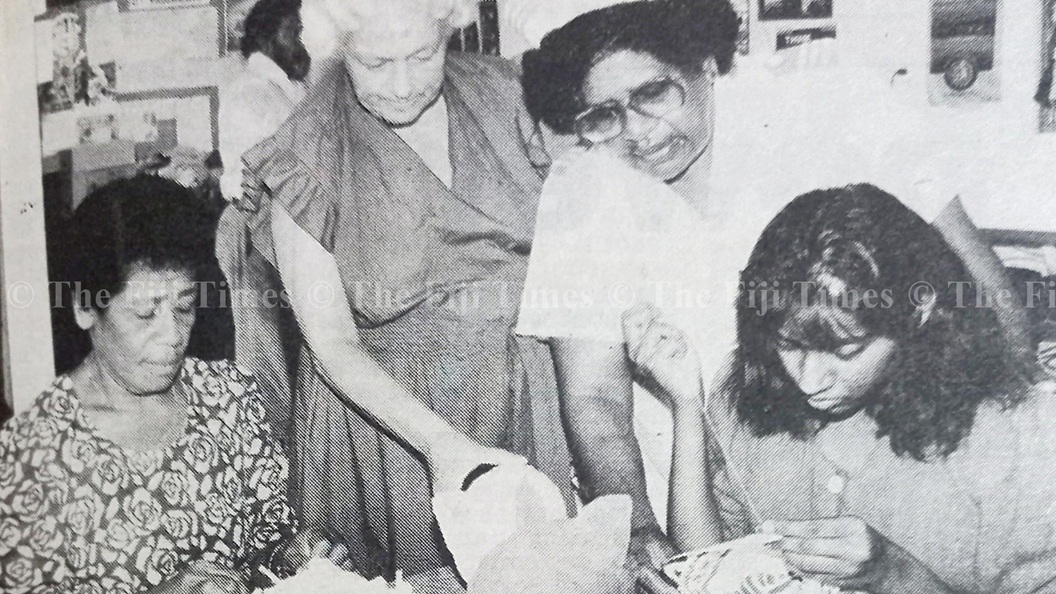
Reported cases of mental depression were on the rise in 1994, according to St Giles Medical Superintendent Doctor Veer Indra Singh.
A story published in The Fiji Times on May 9, 1994, said most of the cases were women rather than men.
Dr Singh said that since 1991, 151 in-patients had been treated for mental depression at St Giles. The figures for out-patients were not available.
He noted that more than half the total number of patients were females.
Of the 151 in-patients, 92 were women. A report released by the World Health Organization at that time said women were more likely to be admitted to mental health facilities than men.
The report also underlined that this was connected to factors such as social roles.
Dr Singh said a majority of the depression cases were attributed to lack of love and compassion in the home.
“Family problems were the most common cases dealt with by doctors at the hospital. However, mental depression is also hereditary,” he said.
“Individuals who inherit such genes will only experience depression when stress factors activate them.
“Over 80 per cent of those who suffer from depression can be helped with appropriate treatment.
“There are several kinds of treatment options available: counselling, psycho-therapy and medication.”
He said recovery was gradual and needed the help of friends and family.
“Like other illnesses, such as arthritis and heart disease, the symptoms of depression may vary,” Dr Singh said.
“A combination of certain symptoms and signs will help your doctor make a proper diagnosis.
“These symptoms include feelings of sadness or irritability that would not go away, loss of interest or pleasure in activities that you used to enjoy, such as hobbies or even sex, a change in weight or appetite, sleep disturbances, such as trouble falling asleep, waking early or oversleeping; feeling of guilt, lack of self-worth, or helplessness; decreased ability to concentrate; fatigue or loss of energy, restless or slowed activity noticed by other people, thoughts about life not being worthwhile or about suicide or death.”
Dr Singh said studies from the World Health Organization revealed work outside the home increases a woman’s psychological distress when there was no access to child care and she was responsible for her child.

