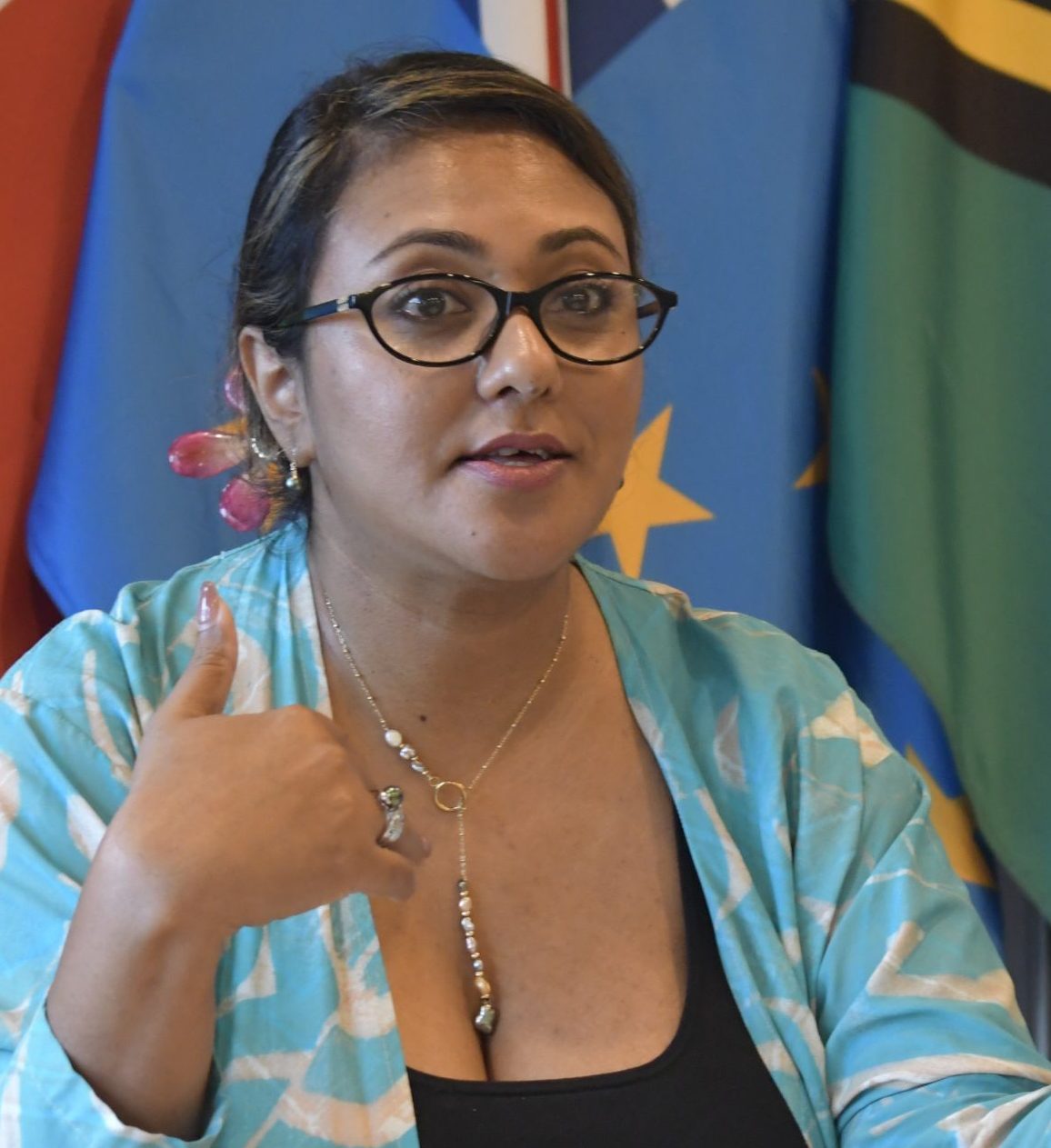
Alcohol-fuelled decisions around sex could increase HIV risks in Fiji as drinking affects people’s ability to choose protected sex, UNAIDS HIV adviser Renata Ram says.
Speaking in an interview, Ms Ram said while injecting drug use had received growing attention as a contributor to HIV infections, sexual transmission remained the primary transmission factor.
“Sexual transmission has always been the primary transmission of HIV in Fiji and in the rest of the Pacific,” she said.
She said injecting drug use had accelerated HIV numbers but warned that attention on the issue should not overshadow other risks including unprotected sex.
“A person who is using drugs, you cannot say they’re not having unsafe sex so unsafe sex is still the issue.”
Ms Ram said much of the attention on injecting drug use was linked to it being a new and highly visible issue in Fiji, particularly through reports of drug trafficking and drug seizures.
She said condoms were readily available in nightclubs and other places where people consumed alcohol so people could make safer choices.
“Alcohol use does not transmit HIV, but what it can do, it can affect people’s decision-making ability to have protected sex.
“If you know you’re going out drinking and that you may come to a point where you may have an encounter with someone, have a condom on you.”
Ms Ram also highlighted pre-exposure prophylaxis (PrEP) as another HIV prevention option, saying the medication could help HIV-negative people at higher risk of infection reduce their chances of acquiring the virus.
She said people who are sexually active should be encouraged to consider PrEP as part of taking greater control of their sexual health.