
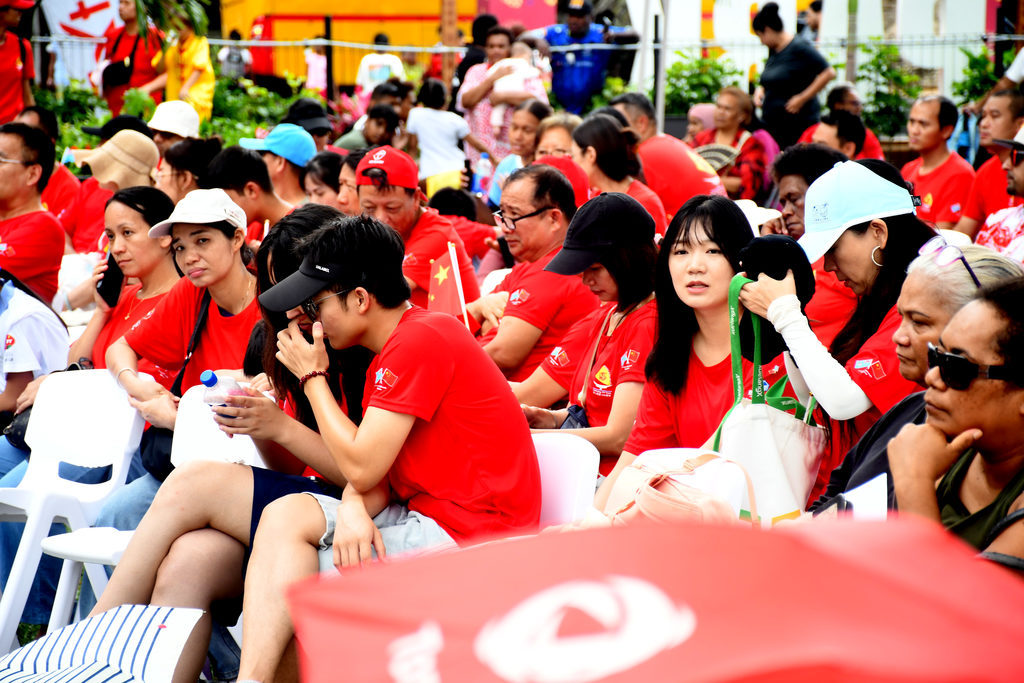
THE Chinese presence in Fiji dates back to the early 19th century, with the first recorded arrivals around 1855, though some evidence suggests earlier contacts as far back as 1808. According to Bessie Ali’s article in the book ‘The Chinese In Fiji’ (1855 to 2015), many of these early migrants came through the bêche-de-mer (sea cucumber) trade, working as cooks, carpenters, or laborers on trading vessels.
Some remained in Fiji by choice or circumstance, laying the foundation for what would become a resilient and enduring Chinese community known for its adaptability and entrepreneurial spirit.
Official Chinese settlement in Fiji began in 1870 with Nong Sam, followed by merchant Moy Pat Ling in 1872. These early pioneers helped develop Fiji’s trade and agriculture, particularly in the Sigatoka Valley, and later expanded into commerce and farming, diversifying the colony’s economy. As the Chinese population grew, colonial authorities introduced immigration restrictions in 1923, eventually imposing strict quotas by 1950 that limited further arrivals.
During the Cold War, fears of communism led to a complete ban on Chinese immigration in the 1950s and tight surveillance of those already in the country.
Many Chinese Fijians emigrated to Canada and elsewhere, reducing the community’s size. Immigration resumed only in 1979, when small groups of skilled workers, such as doctors and garment factory staff, were allowed in.
Despite these challenges, Chinese merchants continued to thrive through adaptability and cooperation.
By 1917, Fiji’s 900-strong Chinese population supported nearly 200 businesses, led by major firms like Zoing Chong and Kwong Tiy.
Although later displaced from banana and copra production, Chinese entrepreneurs successfully transitioned into bakeries, food manufacturing, and urban retail, especially in Suva.
From the late 20th century, new migrants from China, Taiwan, Hong Kong, and Malaysia revitalised industries such as food, garment production, and construction.
With more women arriving, Chinese family and cultural life flourished, maintaining traditions like ancestor worship and community festivals.
Education and organisation became key pillars of the community.
The founding of Yat Sen Primary School in 1946 and Yat Sen Secondary in 1986 fostered academic excellence and leadership, while groups like the China Club and Chinese Arts Club promoted unity and culture.
Though Chinese Fijians comprise less than 1 per cent of the population, they have made significant contributions to Fiji’s economy, education, politics, and multicultural society, strengthening ties with both China and Fiji.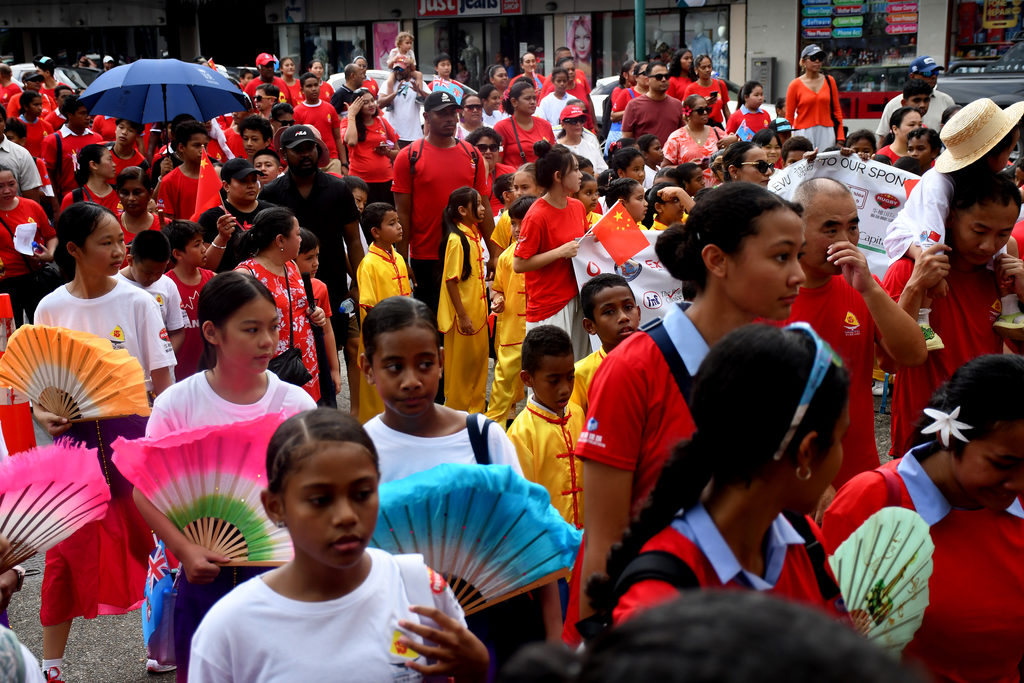
The Chinese community marched from the Flea Market to Ratu Sukuna Park.
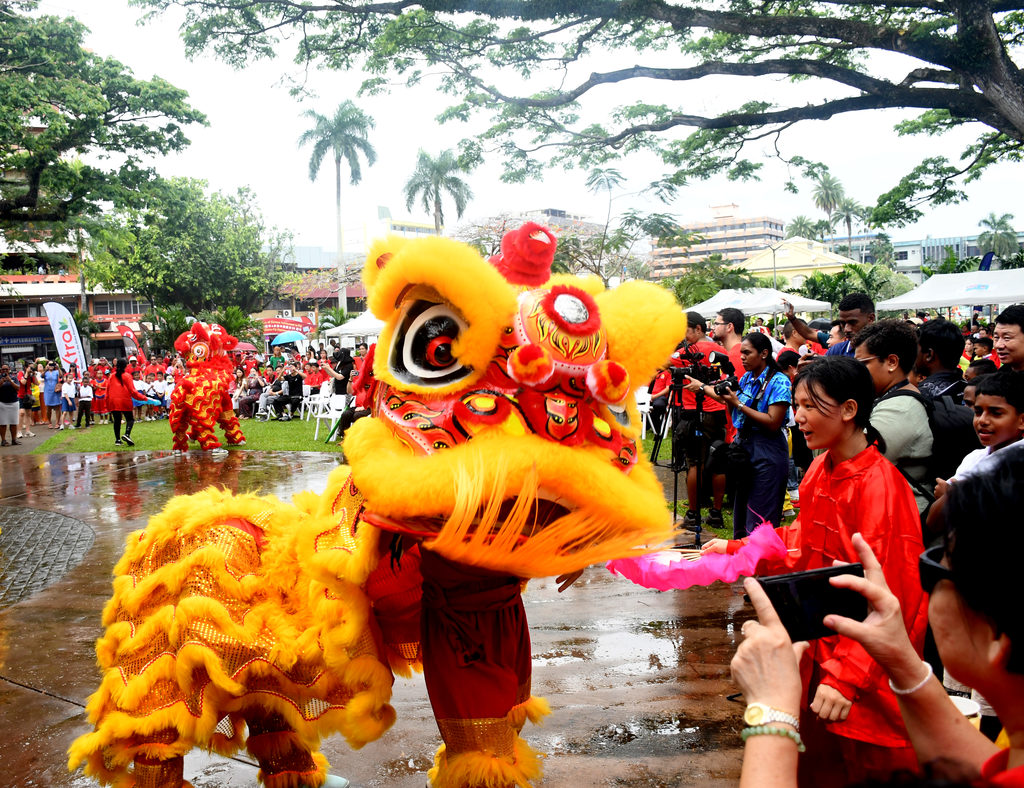
The dragon made an impact during the 170 Years of Chinese Settlement in Fiji and 50th of China- Fiji Diplomatic Relations celebrations at Ratu Sukuna Park. Picture: JONA KONATACI
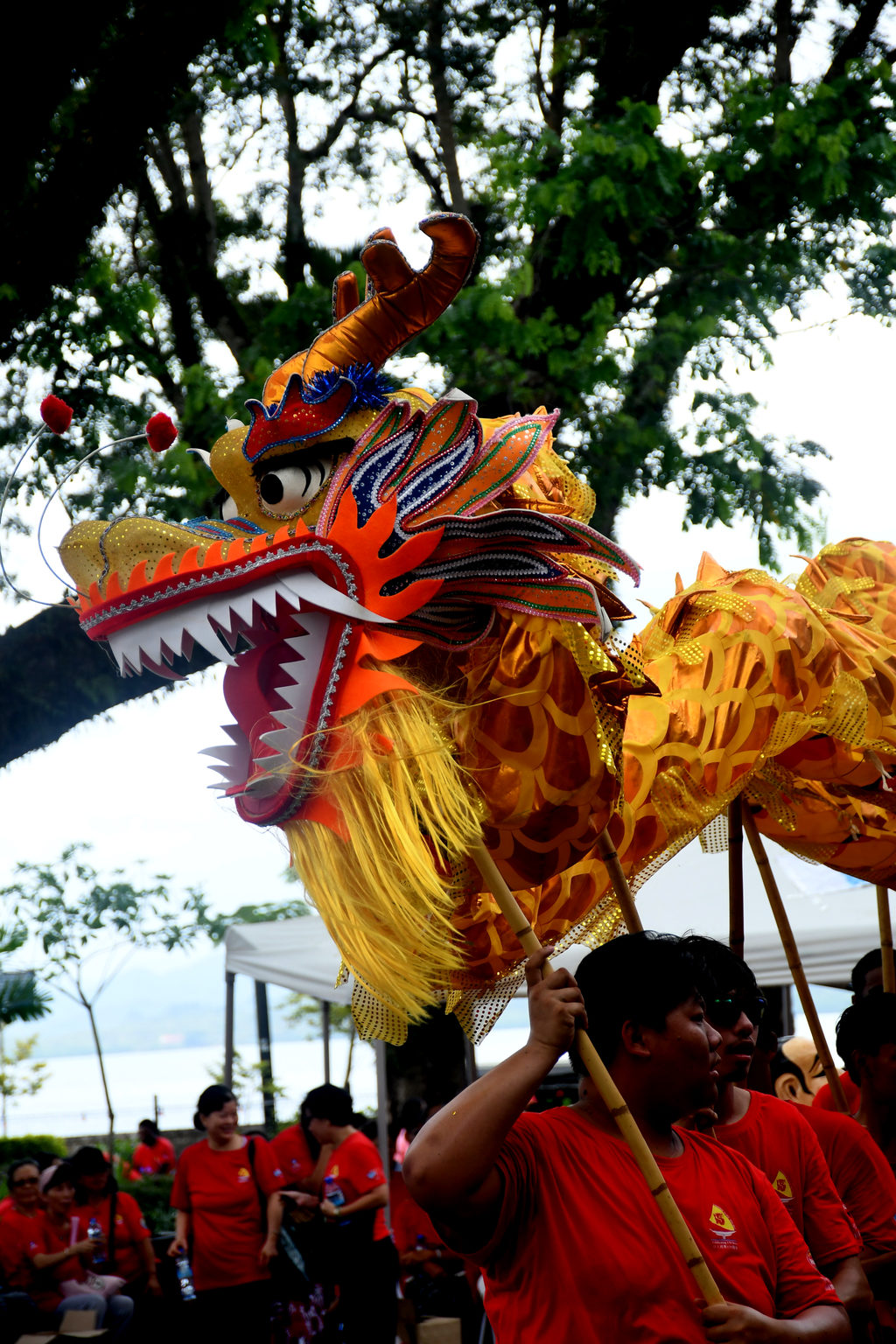
The dragon was flying high during the 170 Years of Chinese Settlement in Fiji and 50th of China- Fiji Diplomatic Relations celebrations at Ratu Sukuna Park. Picture: JONA KONATACI

