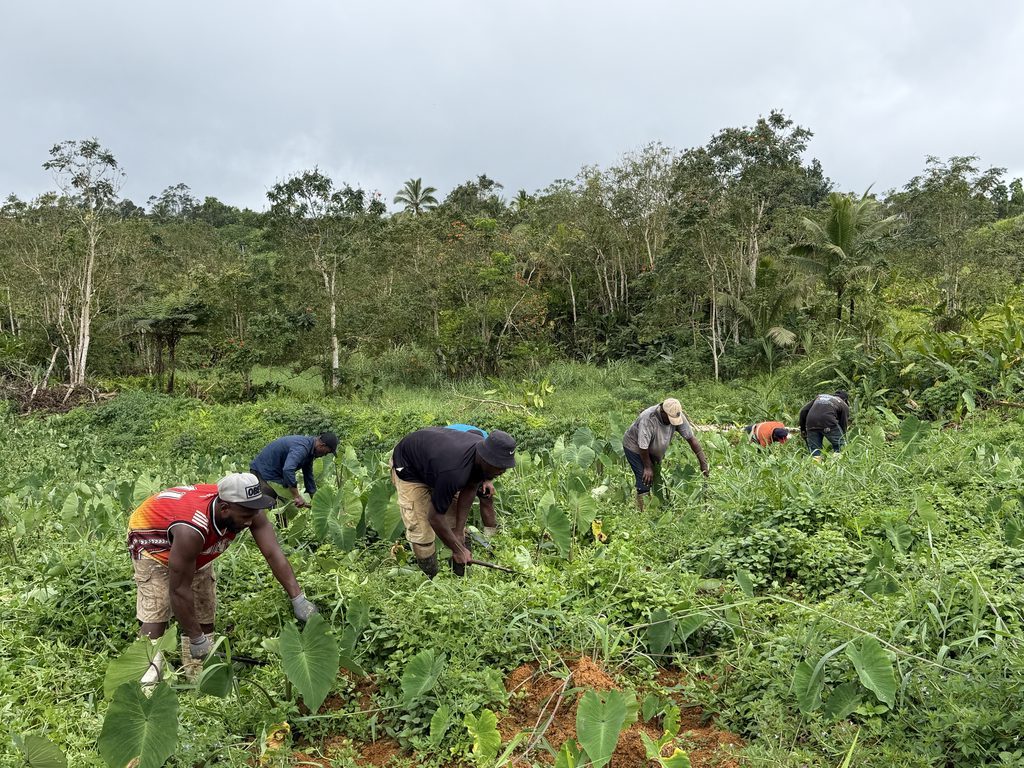
THE sound of cane knives cutting through weeds marked another working day for Panapasa Ciri and six other farmhands at a dalo farm in Lomaivuna, Naitasiri.
The men had travelled from Naluwai Village, where they live to spend the day tending to the farm and ensuring the crops received the attention they needed.
Among them was Ciri, originally from Muana Village in Toga, Rewa who lives in Naluwai.
Their work takes them between farms in Naluwai and Lomaivuna, where they are responsible for maintaining crops and preparing the land for future planting.
“We are seven in the group. I am the only one from Rewa, while the rest are from Naluwai,” he said.
The group works together to complete the tasks assigned to them, knowing that the condition of the farm depends on the effort they put into their daily work.
A day in the fields
Their responsibilities cover different stages of farming, from planting and weeding to cultivating the soil and harvesting crops.
At times, they are also required to clear fields to make way for new crops.
On other days, their work involves collecting and managing manure depending on the size of the farm.
They also help prepare crops for sale, ensuring the produce is ready for the next stage.
“The previous day we were planting crops at Naluwai, and today we are weeding here at Lomaivuna,” Ciri said.
Working as a farmhand demands physical strength and stamina, particularly when spending long hours outdoors.
The men rely on teamwork to complete their duties, with each worker contributing to the work required to maintain the farm.
The farm owner has been involved in agriculture for a long time and operates successful farms in Naitasiri.
Ciri said their employer played an important role in helping the group secure employment while providing an income they could take home to support their families.
“He helps us find work and also supports our families with what he pays us,” he said.
Getting to work
Although the group works across two locations, travelling arrangements depend on where they are assigned for the day.
When working at the Naluwai farm, the men walk to the fields because they are within walking distance of the village.
They usually leave for work close to 8am and prepare their own meals because they are not far from home.
The arrangement is different when they are assigned to Lomaivuna.
The group is picked up from Naluwai and transported to the farm, where they spend the day working before being returned to the village after 5pm.
Because they are away from home for longer periods, the farm owner provides their meals.
The arrangements help the men concentrate on their work without having to worry about preparing food while away from the village.
Their working week usually runs for five days, although some members choose to work on Saturdays.
“We work five days a week. At times, some of us come to work on Saturdays, but that depends entirely on the worker if they want to spend an extra day working,” Ciri said.
Supporting agriculture
Their daily work forms part of the effort required to keep agricultural production moving in rural communities.
Agriculture remains an important part of Fiji’s economy, providing employment and supporting the livelihoods of families, particularly in rural areas.
Farming also contributes to the country’s food supply, with locally grown crops such as dalo providing produce for household consumption and the market.
Behind every productive farm is work that begins long before crops are ready for harvest.
Land must be prepared, crops planted and fields maintained. Weeds must be cleared, while soil and crops require regular attention throughout the growing process.
Farmhands such as Ciri and his colleagues help carry out these essential tasks.
Their work ensures that the farms remain productive while providing employment for people who depend on agricultural labour to meet their household needs.
For the seven men, each working day is an opportunity to earn an income while contributing to the upkeep of the farms.
Looking after the workers
Ciri said he appreciated the support provided by their employer, particularly the arrangements made to ensure workers were looked after while carrying out their duties.
The support has helped make the work arrangement manageable for the group, especially when they are required to travel away from Naluwai.
For Ciri, the income earned through farm work helps meet his family’s daily needs.
However, he acknowledged that unexpected expenses could sometimes place pressure on household finances.
Despite the demands of the job, he continues to work alongside the men, moving between farms as planting, weeding and other tasks arise.
Their work may not always be visible beyond the fields they tend, but it remains an important part of keeping agricultural land productive.
At the Lomaivuna farm, the seven men continued weeding the dalo fields, focused on completing the day’s work before their journey back to Naluwai.
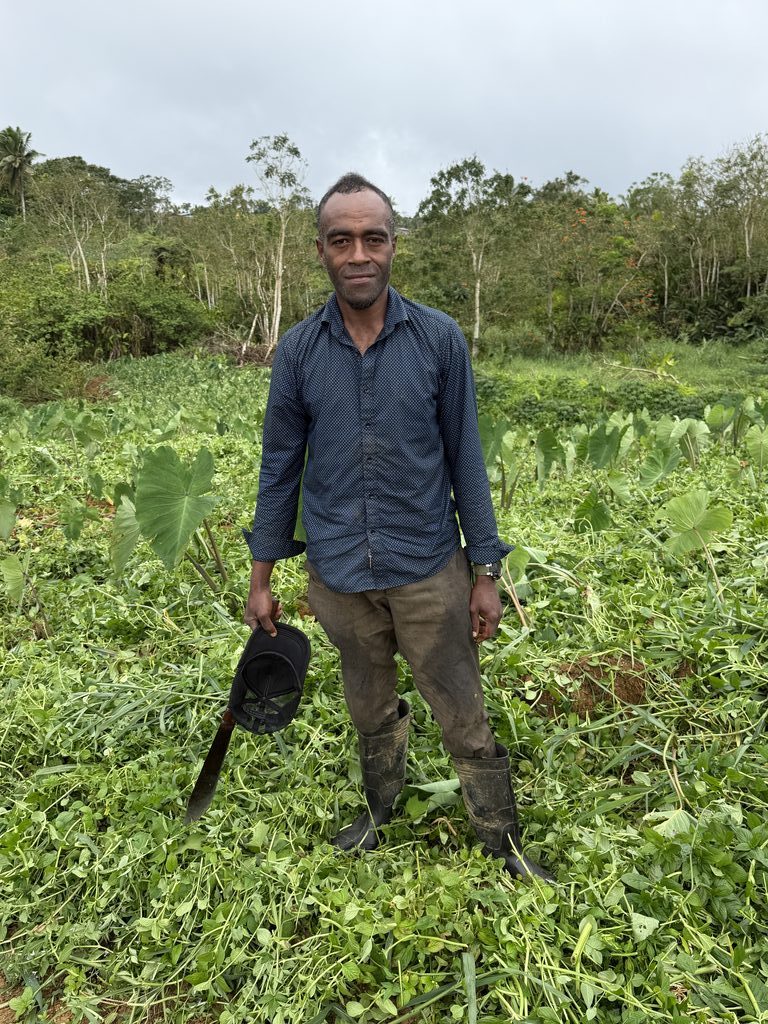
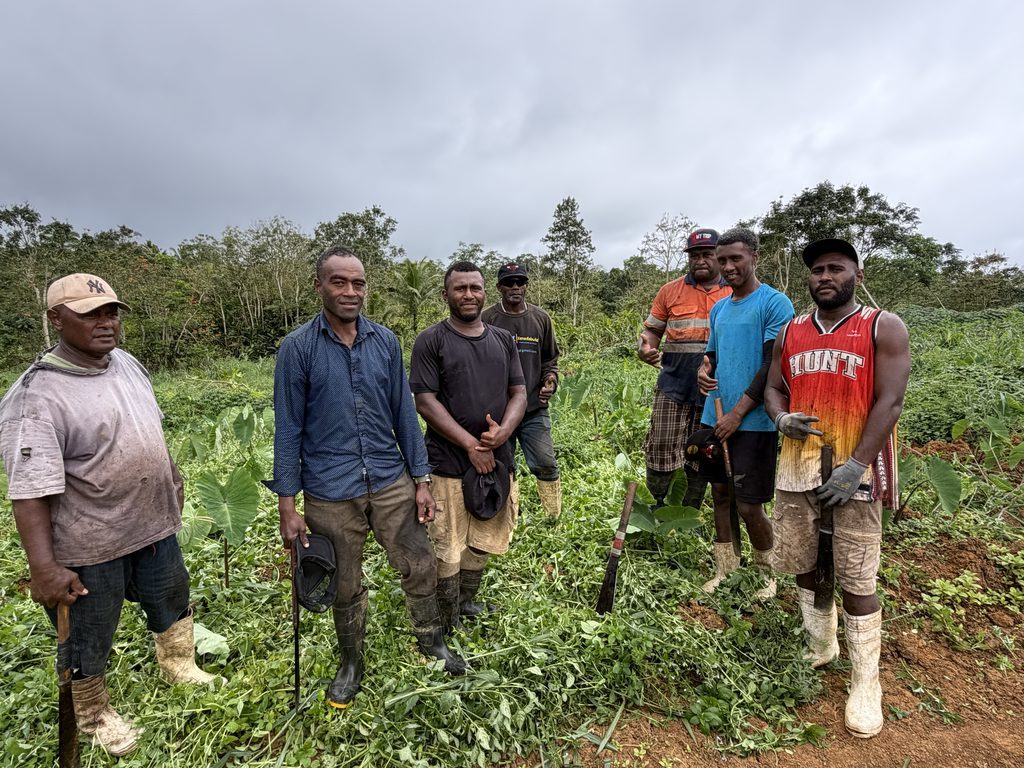
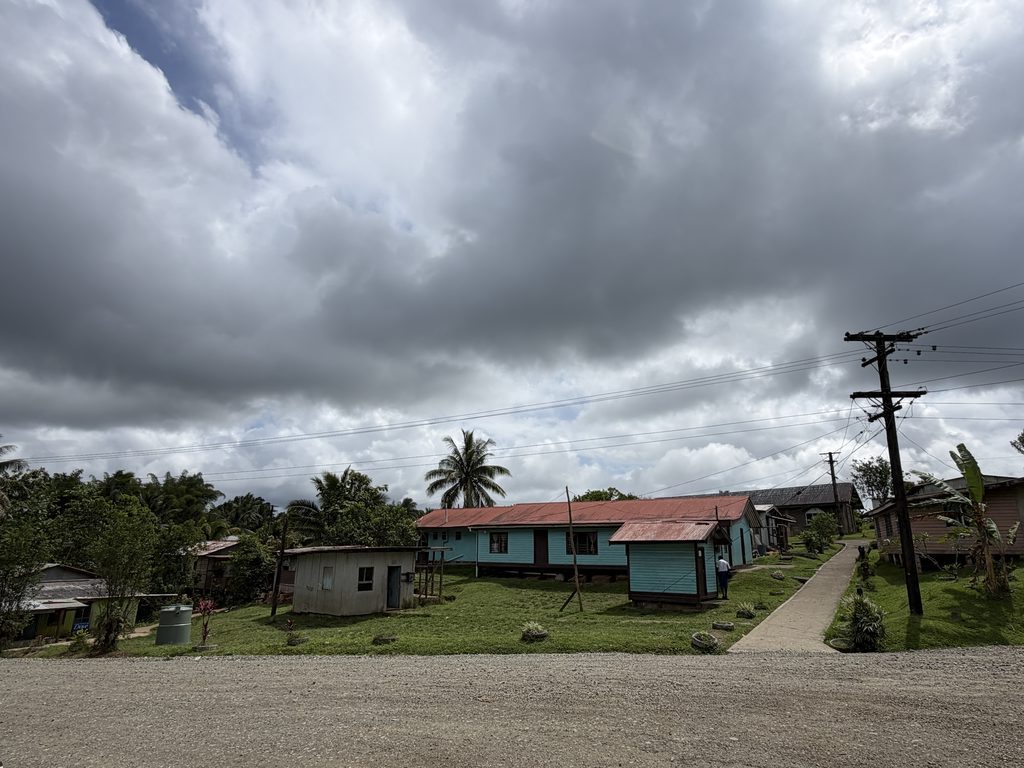
The group are from Naluwai. Picture: ANA MADIGIBULI