THE Fijian Arts Festival is creating a space where artists can share their work, pass on traditional practices and bring communities together through the Alliance Française de Suva’s mission of linguistic and cultural cooperation.
Art has a way of bringing people together, even when they speak different languages.
In Suva, that idea came to life during the second Fijian Arts Festival where artists, craftspeople and performers gathered to share their work and celebrate Fiji’s cultural heritage.
Organised by the Alliance Française de Suva from October 23 to 30, the festival was more than an exhibition of local talent.
It was an extension of the organisation’s commitment to linguistic and cultural cooperation, using art as another way to connect people and encourage cultural exchange.
Alliance Française de Suva director Julien Kohlmann said the festival complemented the organisation’s everyday work of teaching French and Fijian to people of different ages.
“Every day, we teach French and Fijian to people of all ages. The festival is another way to do the same thing: to bring people together through art, to give artists a space to express themselves, and to celebrate Fijian heritage as a living source of creativity,” Mr Kohlmann said.
The second edition built on the inaugural festival launched last year by his predecessor.
This year’s program brought together more than 25 artists and partners, with six artists exhibiting their work.
They were Hefrani Barnes, Mason Lee, Alamanda Datt, Josaia McNamara, Anare Somumu and Carson Young.
Their work represented different artistic disciplines, including painting, illustration and wood carving. The program also featured a mural, traditional crafts, dance, singing and live music.
Mr Kohlmann said the festival deliberately brought together artists at different stages of their careers.
Some were established practitioners, while others were emerging talents.
“What they have in common is a strong connection to Fijian culture and a real generosity in sharing their work with the public.”
Art beyond the exhibition
The festival opened with an exhibition, accompanied by live singing from Samson Verma and Sailasa Tora.
An Artcrafts night market, organised with the Suva Cultural Centre, added another dimension to the opening, giving visitors an opportunity to engage with local creative work.
Throughout the week, the program moved beyond the exhibition space.
Workshops covered canoe building and a sea outing, painting, wood carving, dance and illustration.
The festival also featured a mural, while talanoa sessions provided opportunities for conversations around art and culture.
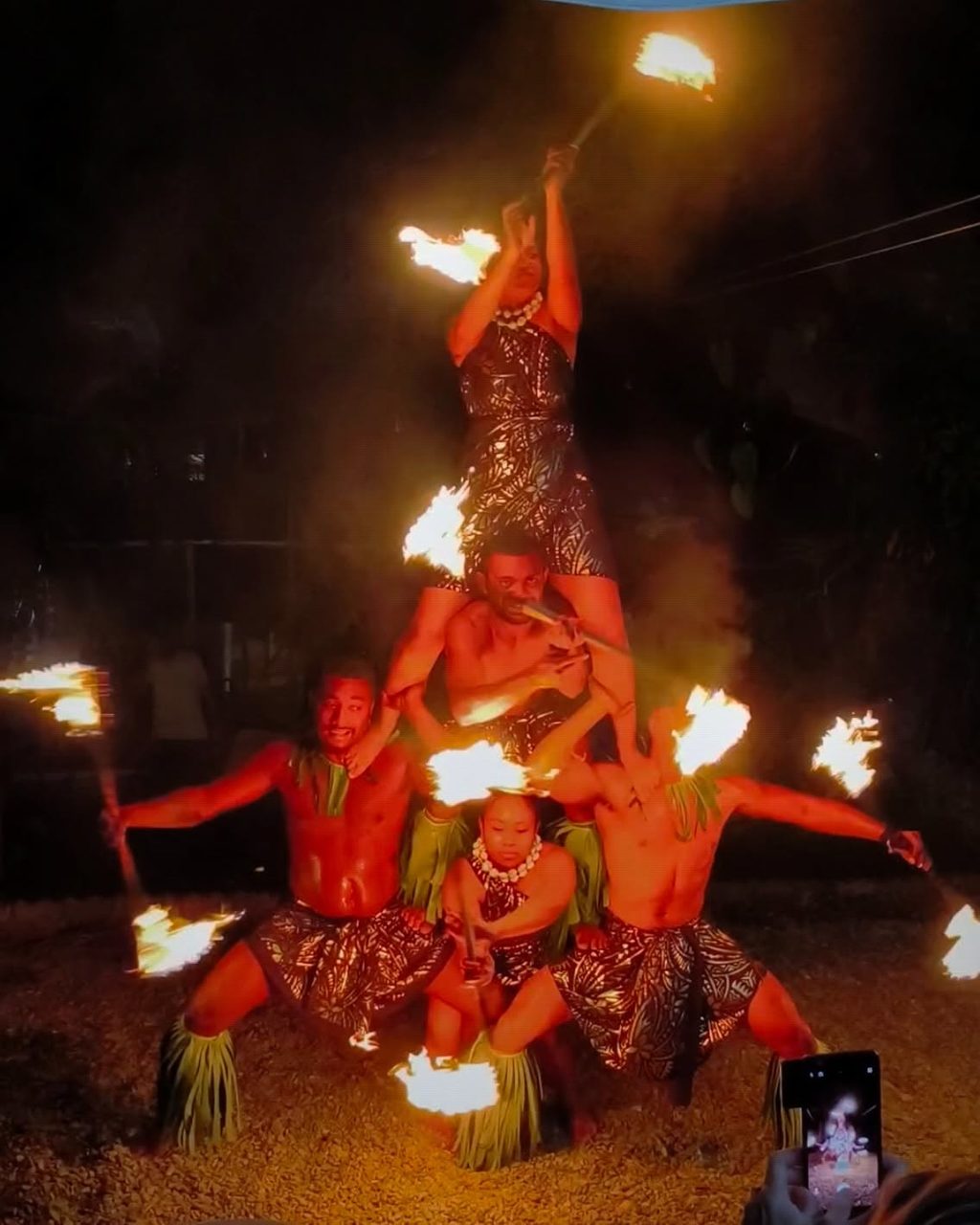
The closing night brought the program to an end with a performance by ManaVa Dance in the Alliance Française garden, followed by a live concert from Pacifikgroove.
For Mr Kohlmann, the opening, workshops and closing celebrations were among the most memorable parts of the event.
He recalled watching people gather around the garden during ManaVa Dance’s performance, with some viewing from the balcony and others watching from the garden itself.
The response to the opening night market also stood out. Its popularity prompted organisers to hold another small market outside during the closing celebrations.
However, the value of the festival extended beyond the performances and exhibitions.
It provided artists with an opportunity to meet visitors, explain their work and build relationships with people who might otherwise not have attended an art exhibition.
The workshops also allowed the artists to take on the role of teachers, sharing their skills directly with participants.
“The exhibition gave artists a place to show their works and to meet visitors in person, which is something many artists value,” Mr Kohlmann said.
“The workshops, led by the artists themselves, allowed the public to learn directly from them.”
The market and performances attracted a wider audience, while visitors could also purchase exhibited works and support artists directly.
More than 200 people attended across the opening and closing nights, while more than 70 people participated in the workshops.
Mr Kohlmann said the response had been very positive, with visitors spending time talking to artists and asking about future workshops and opportunities to purchase their work.
He believes such opportunities are important because artists need spaces where their work can be seen and appreciated.
A festival can provide visibility while allowing artists to meet new audiences and connect with fellow practitioners.
It can also help young people recognise that pursuing creative work is a valid career path.
“Artists need places where their work can be seen, discussed and valued,” he said.
“It also tells young people and families that art matters, and that creating is a valid and respected path.”
Passing on cultural knowledge
The festival also served an important cultural purpose by creating opportunities for traditional practices to be passed on.
Mr Kohlmann said activities such as wood carving, dance and craft workshops allowed participants to learn directly from experienced practitioners.
He described this process as a form of cultural transmission, where knowledge was shared from one person to another.
“When a practice such as wood carving, dance or craft is shared in a workshop with a master, it is passed on directly, hand to hand,” he said.
A festival creates opportunities for these traditions to remain visible and relevant, rather than being viewed only as practices from the past.
It also allows artists to maintain traditional techniques while developing their own creative styles.
Young people, in particular, benefit from meeting working artists and having the opportunity to experiment with different art forms.
Mr Kohlmann said workshops offered a welcoming environment where participants could try something new without feeling pressured.
Seeing artists build a livelihood from their work could also encourage young people to consider careers in the creative industry.
Looking towards 2027
Looking ahead, the Alliance Française de Suva hopes to strengthen the festival’s place in Fiji’s arts calendar.
Organisers are already looking towards the third edition in 2027, with plans to establish the festival as an annual event. Before then, they are considering additional activities through to the end of this year as part of the festival’s fringe programme.
The exhibition will also remain at the Alliance Française until December, giving the public more time to view the artworks and the new mural created by Mason Lee and Anare Somumu.
Future editions could feature more artists and activities, with organisers exploring opportunities to bring French-speaking artists from the region into dialogue with Fijian creatives.
Collaborative events involving Fijian artists based in neighbouring countries are also being considered.
Mr Kohlmann said these connections could create new opportunities for artistic collaboration and introduce Fijian creativity to audiences beyond the country.
He hopes the festival will encourage more people to purchase local artwork, recognising that direct support is essential for artists to earn a living.
His message to the public is simple: take the time to visit exhibitions, attend workshops and support the people behind the work.
“Every purchase and every visit helps an artist to continue creating,” he said.
For Mr Kohlmann, appreciating Fijian artistic heritage is also a way of understanding the country’s identity and ensuring its cultural richness is passed on to future generations.
Through its commitment to language and culture, the Alliance Française de Suva hopes the festival will continue to provide that meeting place, where artistic expression becomes a shared experience.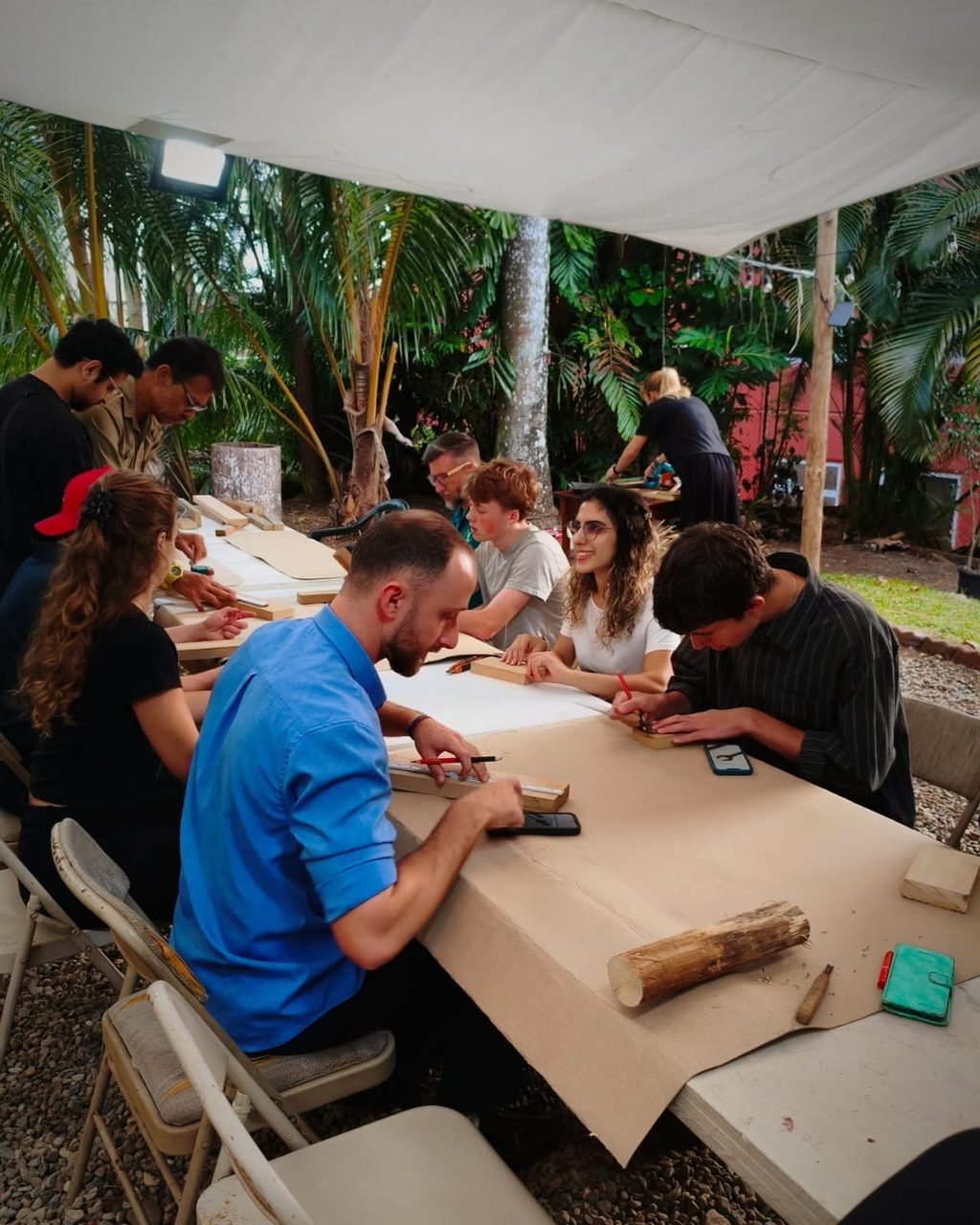
When a practice such as wood carving, dance or craft is shared in a workshop with a master, it is passed on directly, hand to hand. Picture: ALLIANCE FRANÇAISE
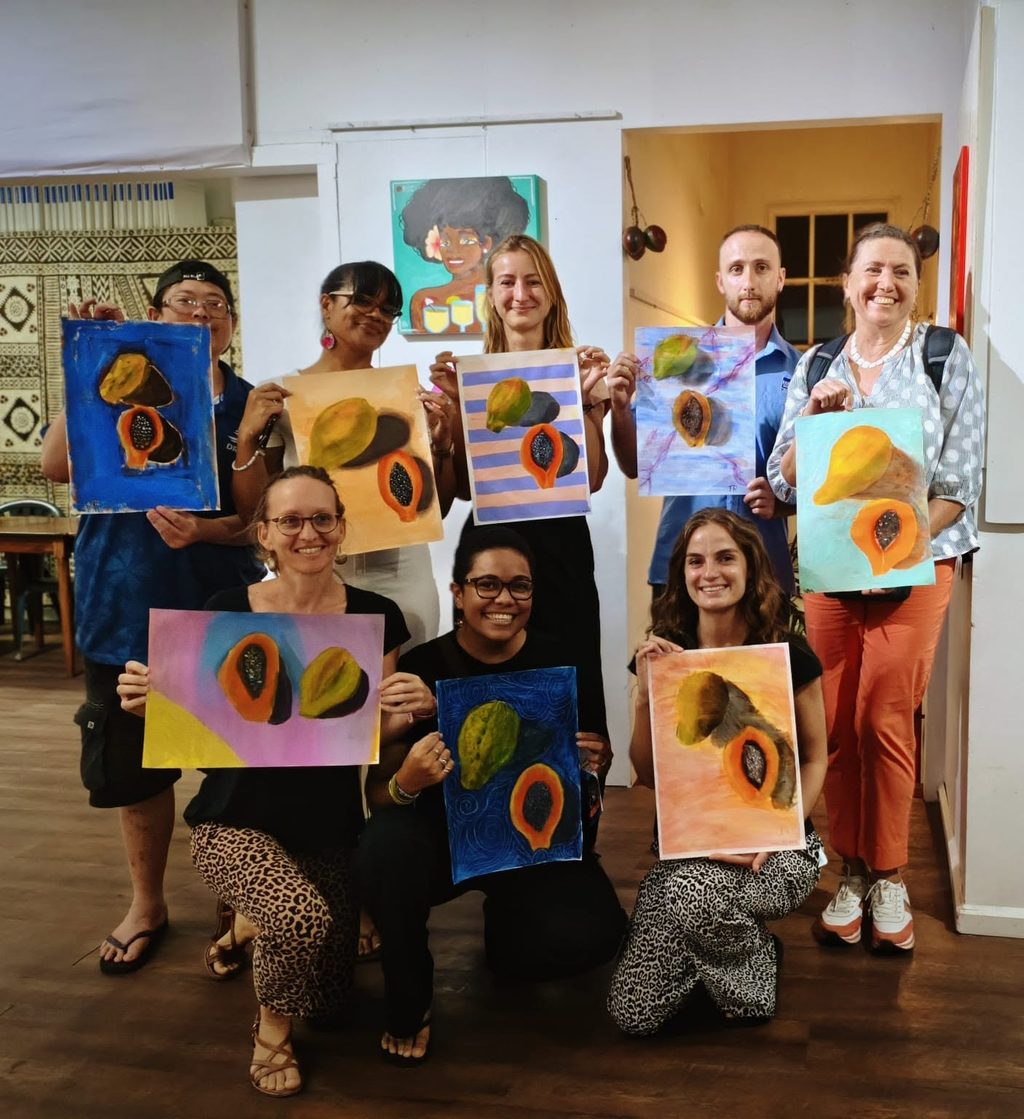
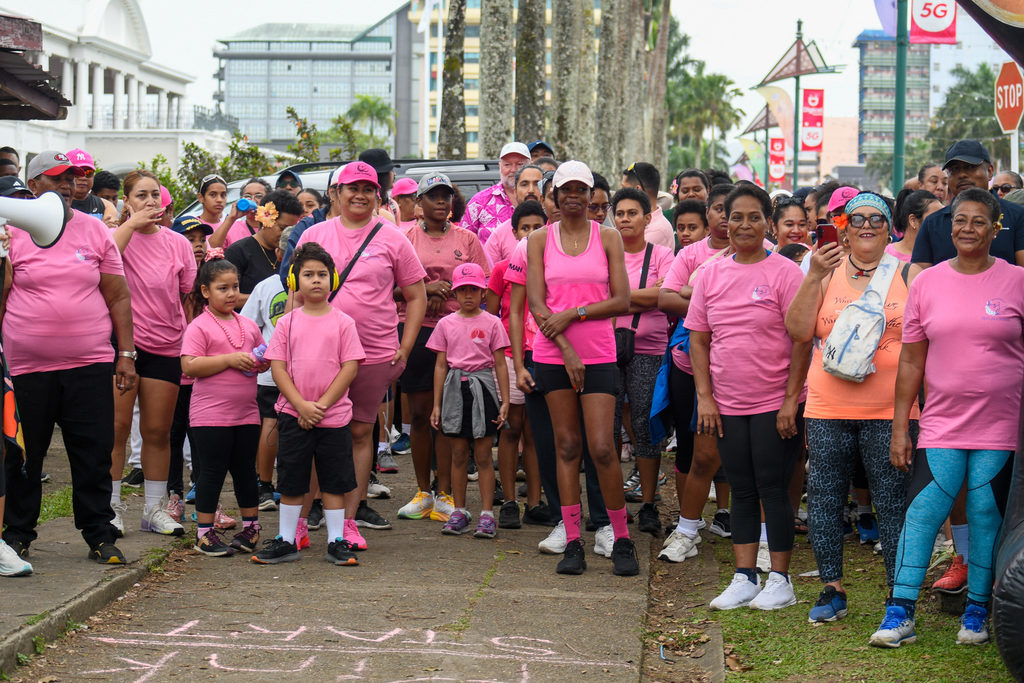
The festival gave artists a place to show their works and to meet visitors in person, which is something many artists value.
Picture: ALLIANCE FRANÇAISE
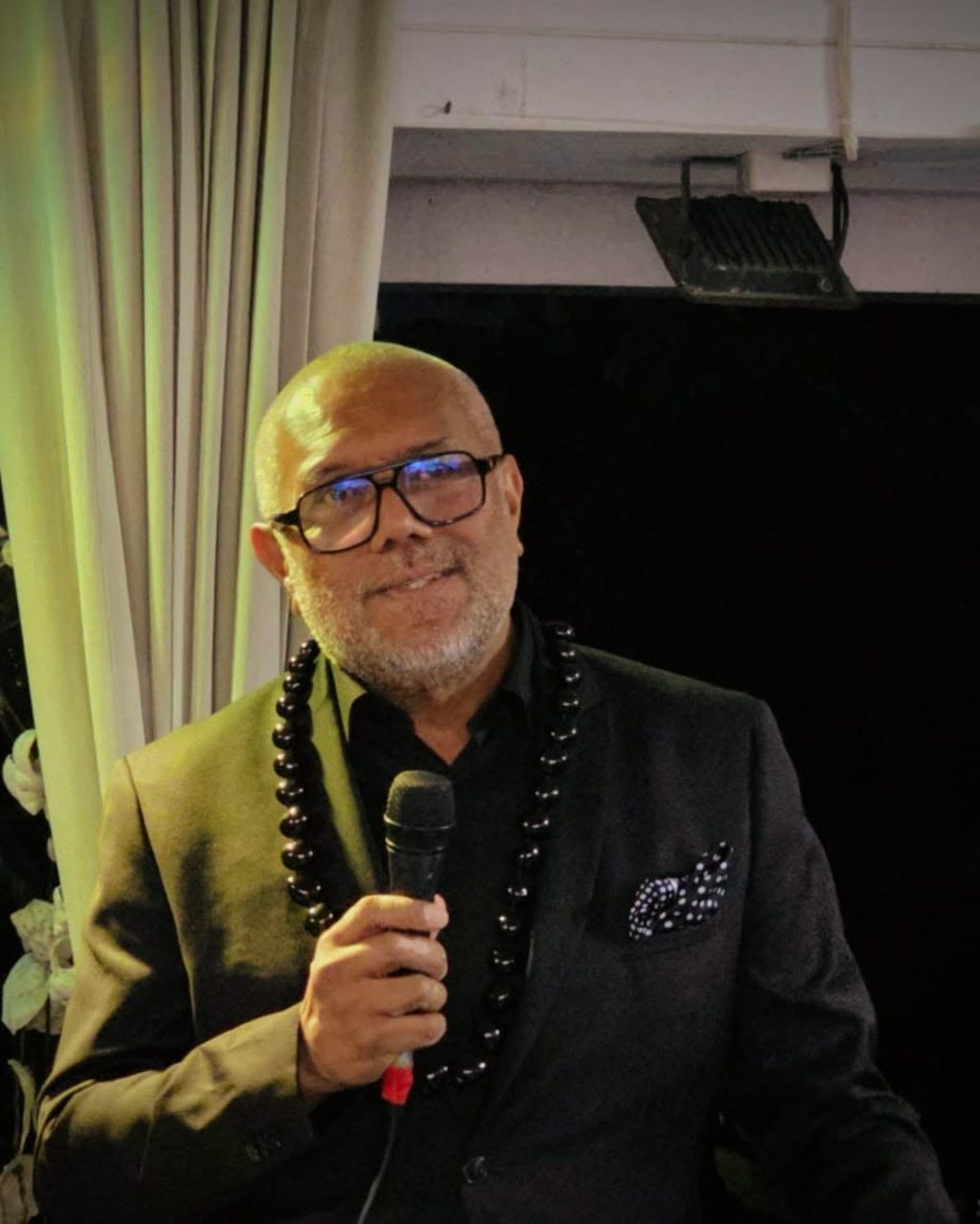
The event opened with an exhibition, live singing by Samson Verma. Picture: ALLIANCE FRANÇAISE