THE Pacific Meteorological Council (PMC) is meeting today in Tonga to revisit commitments first made more than a decade ago.
The meeting comes 11 years after Pacific ministers adopted the first Nuku’alofa Declaration in 2015, following efforts to bring meteorological directors and political leaders together to address challenges facing national meteorological services, making this years meeting especially important.
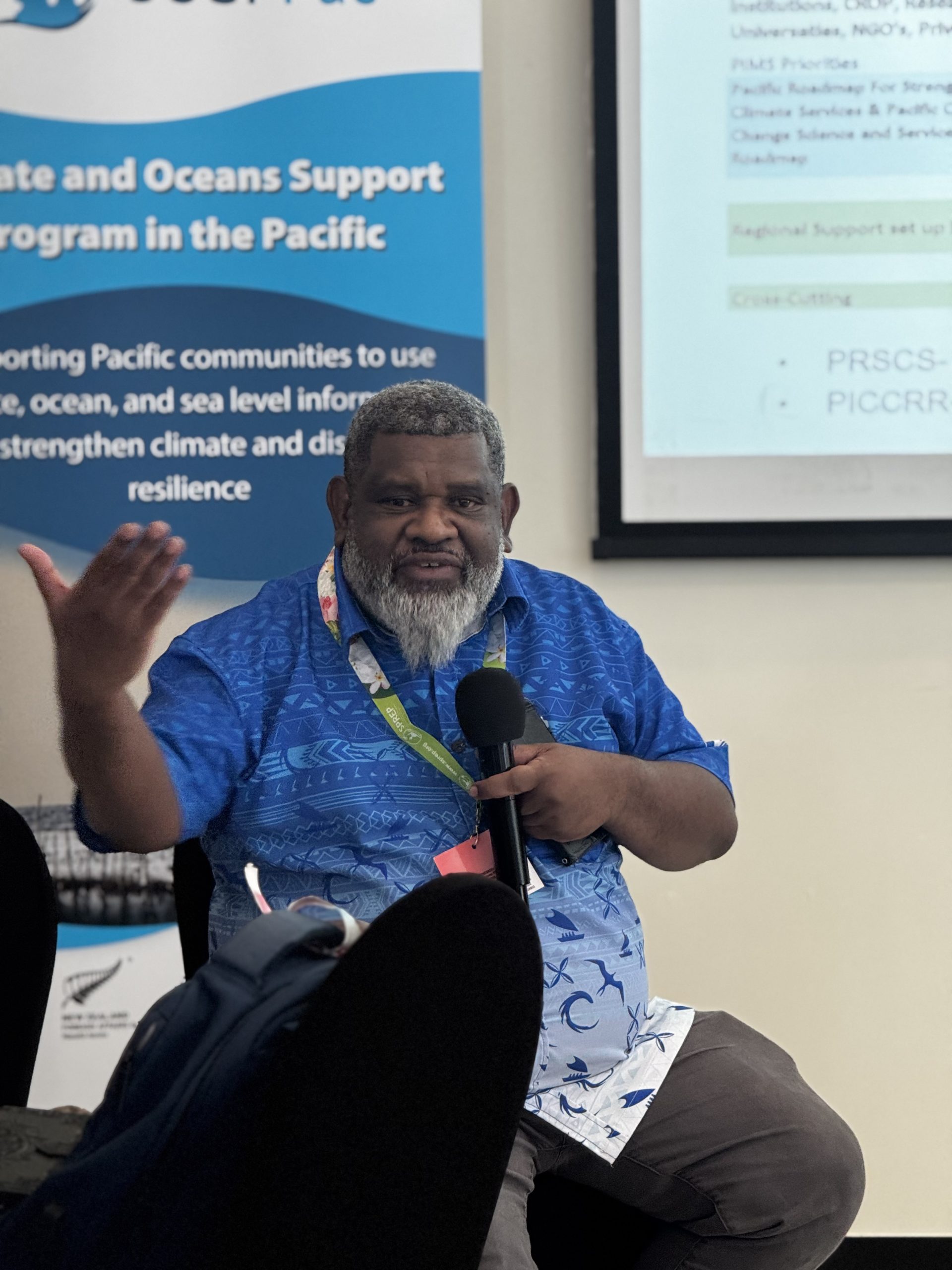
SPREP Director Climate Science and Information Salesa Nihmei said the PMC grew out of years of discussions among Pacific meteorological directors and ministers that had produced limited progress.
“Meteorological directors and ministers were meeting since 1993 and well into the 2000s,” Nihmei said.
“They would sit down and discuss their issues. And it went on like this for years until eventually some members became frustrated because nothing was moving.”
That frustration led to the establishment of the Pacific Meteorological Council in 2011.
Mr Nihmei said the council was created to provide a platform where Pacific meteorological services could collectively identify their priorities while also bringing development partners and technical institutions into the discussion.
“When we started the Council in 2011, from 54, and we’ve slowly grown in numbers and in 2023 we recorded over 240 people.”
The council’s role has also included making its activities more visible to potential donors and partners, with the aim of ensuring that organisations involved in development and technical support understand the challenges facing Pacific meteorological services.
The push to engage political leaders became more prominent from 2013, when meteorological directors sought greater understanding of the sector within governments.
Mr Nihmei said meteorological services are often housed within large government ministries whose primary responsibilities lie elsewhere, such as transport and infrastructure.
In response, ministers were brought together in 2015, resulting in the first Nuku’alofa Declaration.
Mr Nihmei said today’s meeting therefore represents more than another regional gathering: it provides an opportunity to return to commitments made 11 years ago and assess what has happened since.