
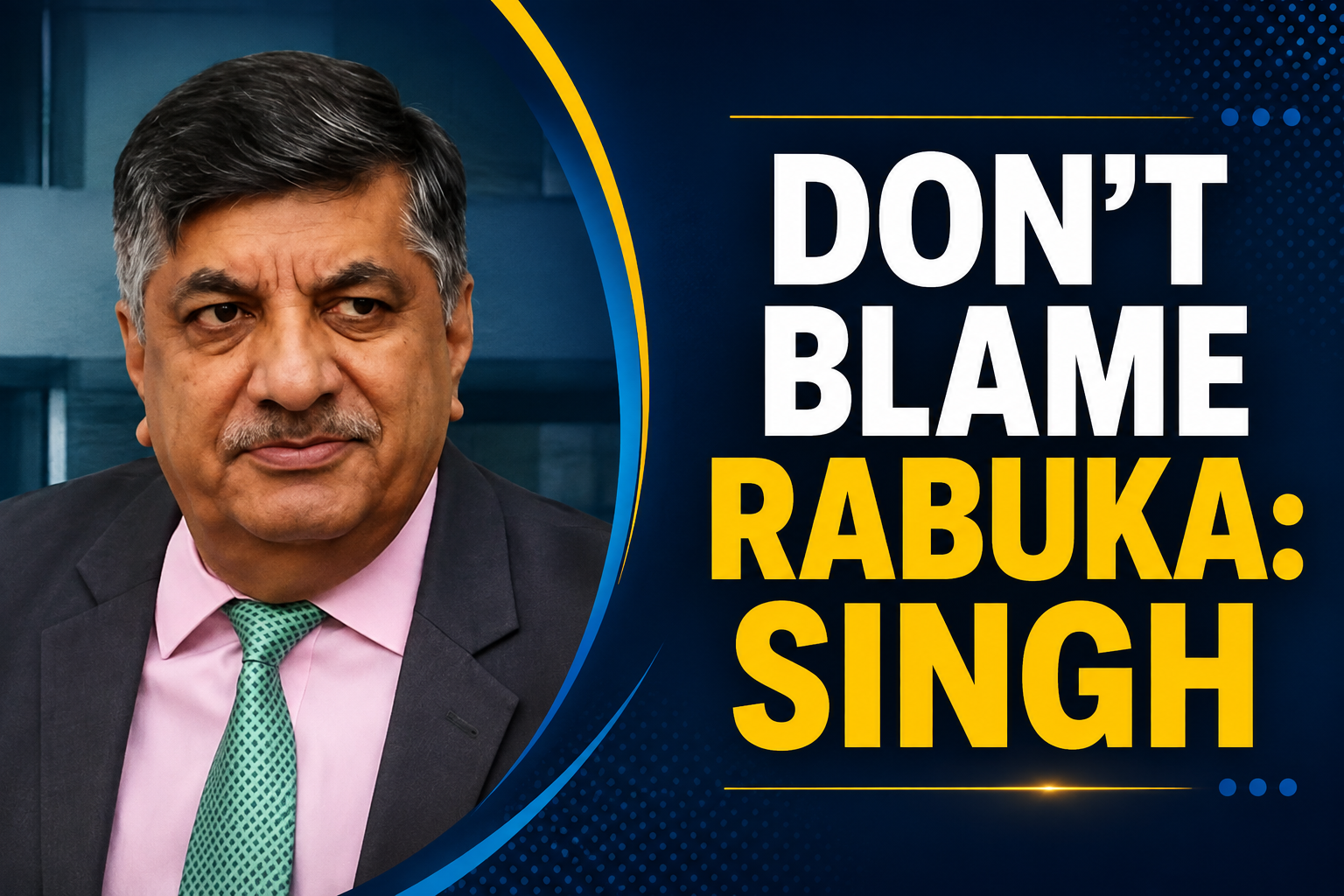
Minister for Multi-Ethnic Affairs Charan Jeath Singh has questioned whether Prime Ministers of New Zealand Christopher Luxon and Prime Minister Sitiveni Rabuka should be blamed for individual crimes occurring in their respective countries, as he responded to concerns about vandalism and damage to places of worship.
Speaking in Parliament last week, Mr Singh referred to recent break-ins involving two of his friends in Epsom, Auckland, to argue that individual incidents should not automatically be attributed to a government or its leader.
“Last week in New Zealand I had two friends, two friends whose house was broken into, in Epsom,” Mr Singh said.
“Epsom is a high-class area of Auckland. Now, do you then blame Mr Luxon, the Prime Minister, because of what had happened?”
He then drew a comparison with Fiji.
“Do you then blame Honourable Rabuka here?” Mr Singh asked.
Mr Singh went on to criticise the former government, claiming problems facing the country had developed over its 16 years in office.
Speaker Filimone Jitoko subsequently intervened and directed the Minister back to the question.
“You’ve done enough background analysis,” the Speaker said.
Addressing the substantive issue, Mr Singh said his Ministry strongly condemned vandalism, damage or deterioration of any place of worship.
“This Ministry strongly condemns any act of vandalism, damage or deterioration of places of worship, whether it involves Hindu temples, churches, mosques or any other places of religious significance,” he said.
Mr Singh said such acts were contrary to the values of religious tolerance, respect and peaceful coexistence.
He said the Ministry had visited a number of affected sites and engaged directly with communities.
Mr Singh said circumstances differed between incidents, with some appearing isolated while others had raised concerns among affected communities over whether they could have been religiously motivated.
He also noted that many places of worship, particularly temples, were easily accessible to the public and had limited security or caretaker presence outside worship hours.

