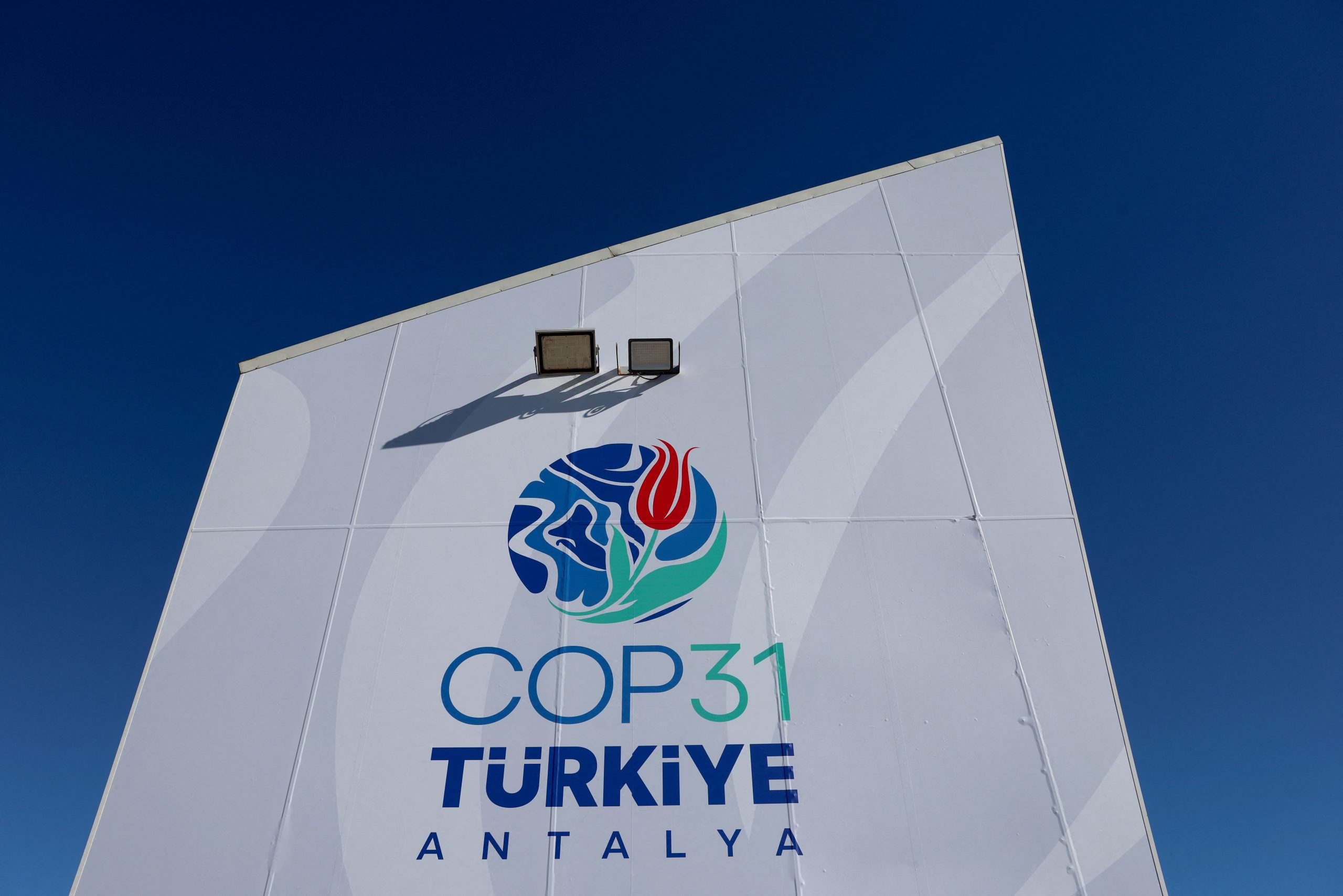
WORLD leaders gathering for the United Nations Climate Change Conference (COP31) in Antalya, Türkiye, face mounting pressure to turn years of climate commitments into tangible action, as vulnerable nations warn that the window to limit global warming is rapidly narrowing.
With the world facing the threat of a super El Niño and growing pressure from fossil fuel costs, the conference is expected to focus on translating climate pledges into practical solutions that protect communities, strengthen energy security and accelerate emissions reductions.
UN Climate Change executive secretary Simon Stiell said while no single conference could solve the climate crisis, COP31 must mark a decisive turning point in delivering meaningful results.
He said global climate action must produce practical benefits, including lower household energy costs, greater energy security and significant reductions in dangerous super pollutants such as methane.
Mr Stiell also stressed the need to get climate finance into the hands of vulnerable communities faster, warning that excessive administrative requirements and red tape continued to prevent frontline communities from accessing the support they urgently needed. COP31 president-designate Murat Kurum acknowledged the growing challenge facing the international community, saying this was the first climate conference where there was no reasonable doubt that the world would overshoot the 1.5°C warming threshold.
“We will not look away, and we will not lower our ambition,” he said.
Mr Kurum maintained that the 1.5°C target must remain the global guiding principle, while calling on developed countries to take the lead in delivering the $300billion annual climate finance target agreed to at COP29 in Baku. For Pacific nations, the outcome of the negotiations carries enormous consequences, with the region continuing to face the existential threat posed by rising temperatures and sea level rise.
Outlining Fiji’s priorities ahead of the conference, permanent secretary for Ministry of Environment and Climate Change Dr Sivendra Michael said global decisions must translate into urgent and sustained action to minimise the devastating consequences of climate change.
“Our priority is to make sure that we minimise the magnitude and the duration of the overshoot through deep and rapid and sustained emissions reduction in this decade,” he said during a recent press briefing.
Dr Michael said Fiji would be pursuing two key priorities in Antalya: keeping the 1.5°C temperature limit within reach and accelerating a just energy transition.