ALONG a dusty gravel road bordered by thick grass and tangled vines, five women from Nakavu Village in Namosi make their way toward a nearby creek.
Bamboo fishing poles rest across their shoulders, their laughter carried through the cool midday air.
They have walked this road many times before, following a routine that has become part of life itself.
The sky hangs low with grey clouds, threatening rain, but that does little to dampen their spirits.
For these women, fishing is more than a pastime, it is a way to put food on the table, stretch household budgets and simply continue a tradition passed down through generations.
It is also a chance to spend time together, sharing stories, jokes and the latest happenings in the community.
As they reach the bank, the group spreads out to find suitable spots along the waterway.
The chatter gradually fades and is replaced by the gentle sound of flowing water.
One woman settles herself on a small patch of gravel jutting into the small creek, there she carefully lowers two bamboo poles into the water and fixes her eyes on the rippling surface.
Around her, the small creek moves steadily through a corridor of green vegetation. Thick vines drape over the banks while tall grasses bend gently in the breeze.
She watches the water with quiet concentration, waiting for the slightest movement that might signal a bite.
Beside her sits a sack holding supplies for the day, the simplicity of the scene reflects a way of life that remains deeply connected to nature.
Meanwhile, the others move between different spots along the creek.
Preparing for the day
For Lavenia Sovunivula, a fishing trip is about more than bringing food home to her family.
It is also a chance to spend time with friends, share laughter and continue a tradition that has long connected the women of Nakavu Village to the rivers and creeks around them.
The idea for the trip was made the day before.
Lavenia and five other women from the village agreed they would head out fishing together the next morning but before they could leave, there was work to be done at home.
“When we got up, we made sure everything was ready at home and lunches were prepared for the school children,” she said.
After completing their morning chores, the women turned their attention to preparing for the day ahead.
They dug up bait, gathered their fishing gear, showered and made their final preparations before making their way to catch the 9am bus.
Their destination was Wainikavika, one of the places where they often fish.
Armed with simple bamboo fishing poles and bait, the women travelled together, hoping for a productive day along the creek.
When the fish don’t bite
However, nature had other plans.
“The weather had changed, so we didn’t get a lot of catch at Wainikavika,” Lavenia said.
With little success, the group decided to return to the village earlier than expected.
Fishing trips like these are not a daily occurrence.
“Not all the time do we go fishing, sometimes we just plan to go out together for a fishing trip,” she said.
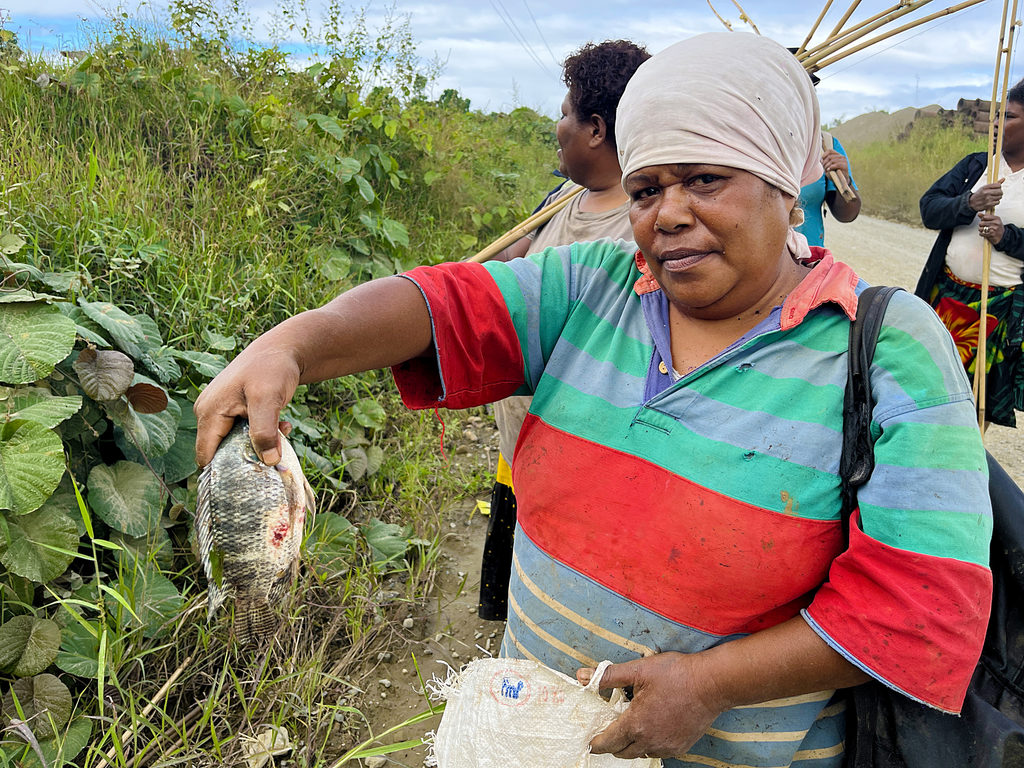
When conditions are favourable, the women often return home with malea (tilapia), duna (freshwater eels) and ketedromo.
On better days, they remain at the fishing grounds until the afternoon and catch the 4pm bus home.
“If we are getting a lot of fish, we would return home in the afternoon,” Lavenia said.
Sometimes, when the catch is poor at Wainikavika, the women walk to another fishing spot near an old bridge to try their luck.
“Sometimes we don’t get enough from Wainikavika, then we walk down to another spot beside an old bridge and try there,” she said.
And if the fish are not biting, the women simply make the most of the day.
“If we are not lucky with our catch, we bathe, change and wait for the bus to return home.”
Fishing the traditional way
Whatever they catch plays an important role in supporting their households.
“What we catch helps feed our families,” Lavenia said.
One of the unique aspects of their fishing trips is the use of bamboo rods made by the women themselves.
Bamboo grows near the village, making it easy to access.
“We often cut our own bamboo sticks and dry them in the kitchen,” she said.
Freshly cut bamboo is heavy but drying it makes it lighter and easier to handle.
“When it’s dried, it gets lighter, so it’s easy to use as a fishing pole.”
The women tie fishing line and hooks to the bamboo poles before heading out.
Even when bamboo is unavailable, they rely on simple hand lines.
“We also just use the fishing line if we don’t have the bamboo, it works both ways,” she said.
More than a catch
As afternoon approaches, the women gather their gear and begin preparing for the journey home.
The return trip carries the same warmth and companionship that marked the start of the day.
Carrying their bamboo poles and whatever catch they have managed to secure, they make their way back along the gravel road.
Although their outing ultimately ended with only a modest catch, the trip reflected something deeper than fishing alone – it reflected on the simplicity of enjoying life.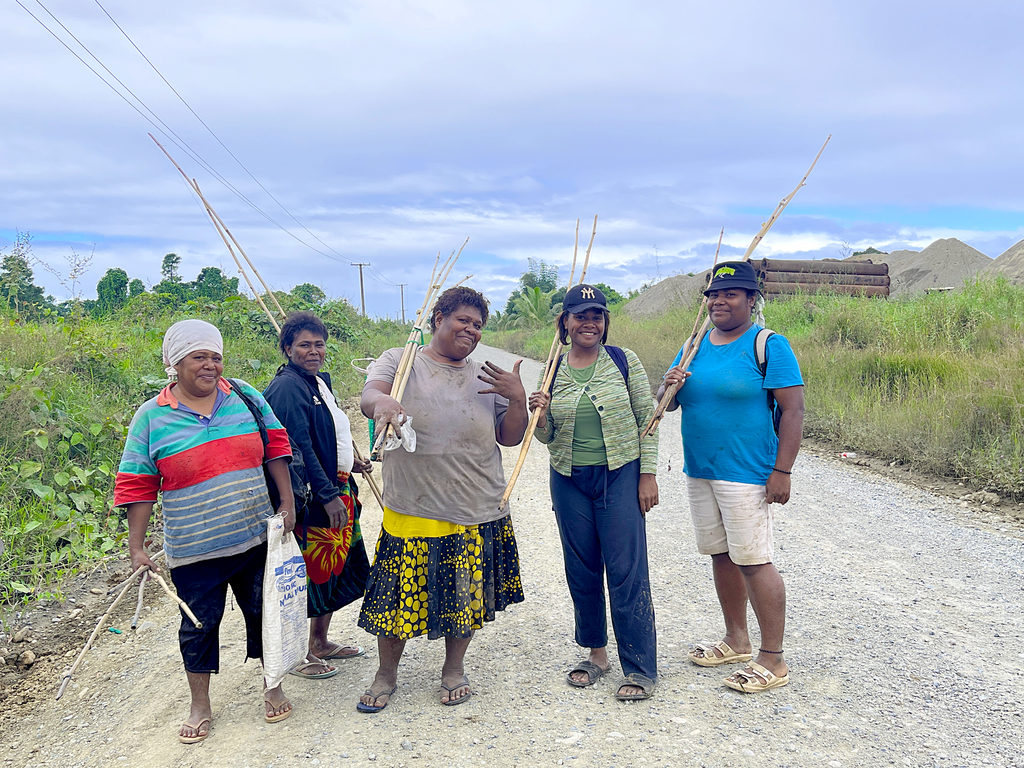
Smiles all around, the ladies from Nakavu Village return from a fishing trip. Picture: ANA MADIGIBULI
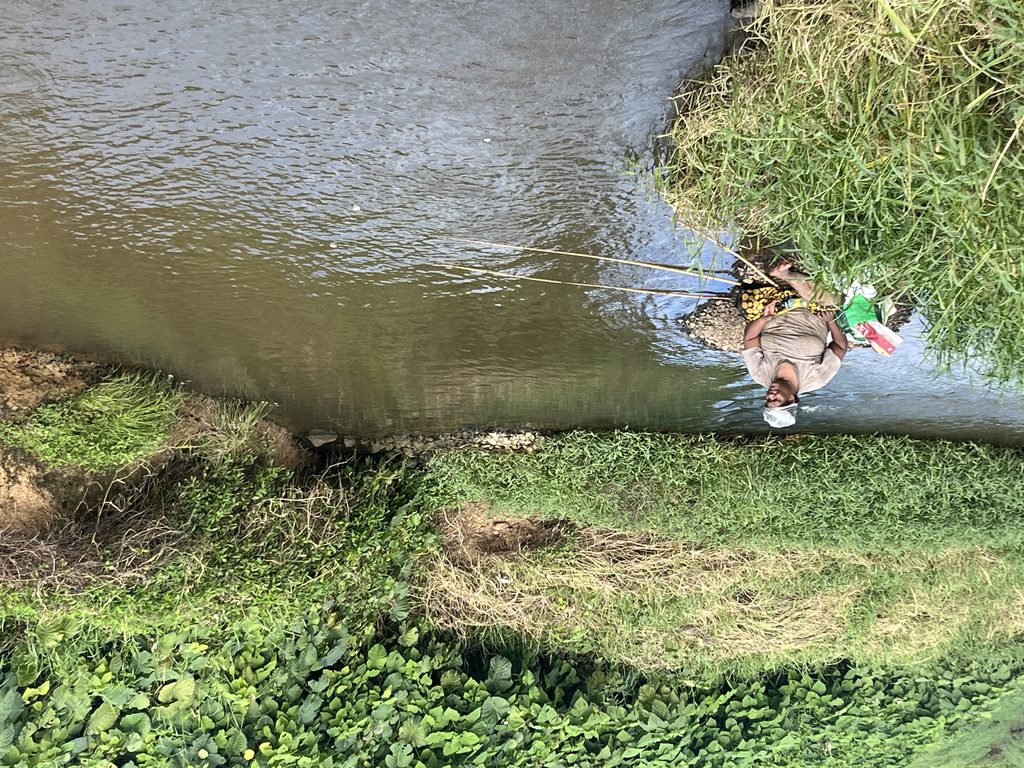
For these women fishing is more than a pastime, it is a way to put food on the table. Picture: ANA MADIGIBULI
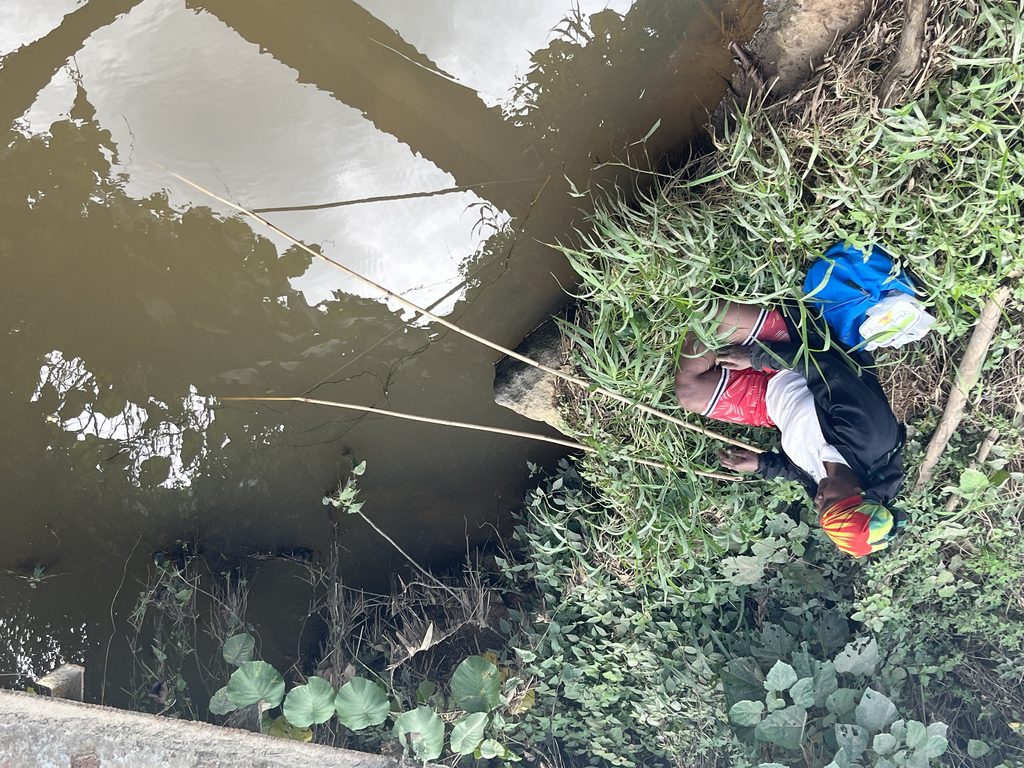
The ladies settle themselves on a small patch of gravel jutting into the small creek, there they carefully lower bamboo poles into the water.
Picture: ANA MADIGIBULI
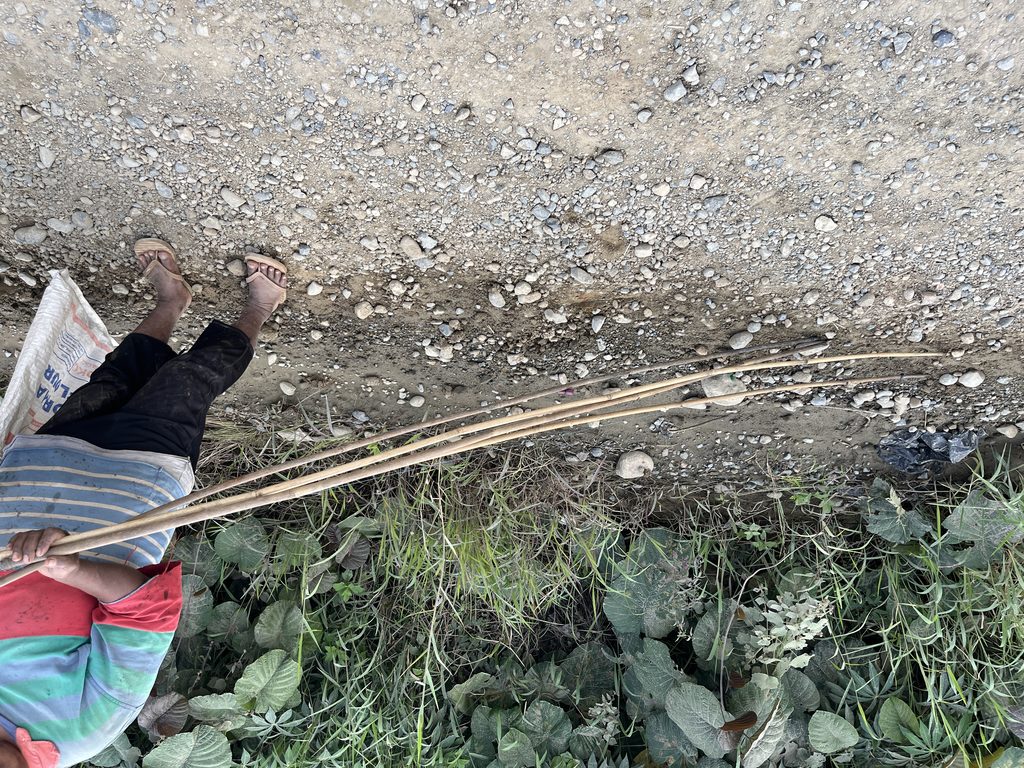
The bamboo sticks that the women use as fishing poles.
Picture: ANA MADIGIBULI