
The World Health Organization (WHO) has called on all countries to commit to decisive action at COP26 to limit global warming to 1.5 degrees Celsius – not just because it is the right thing to do but because it is in our own interests.
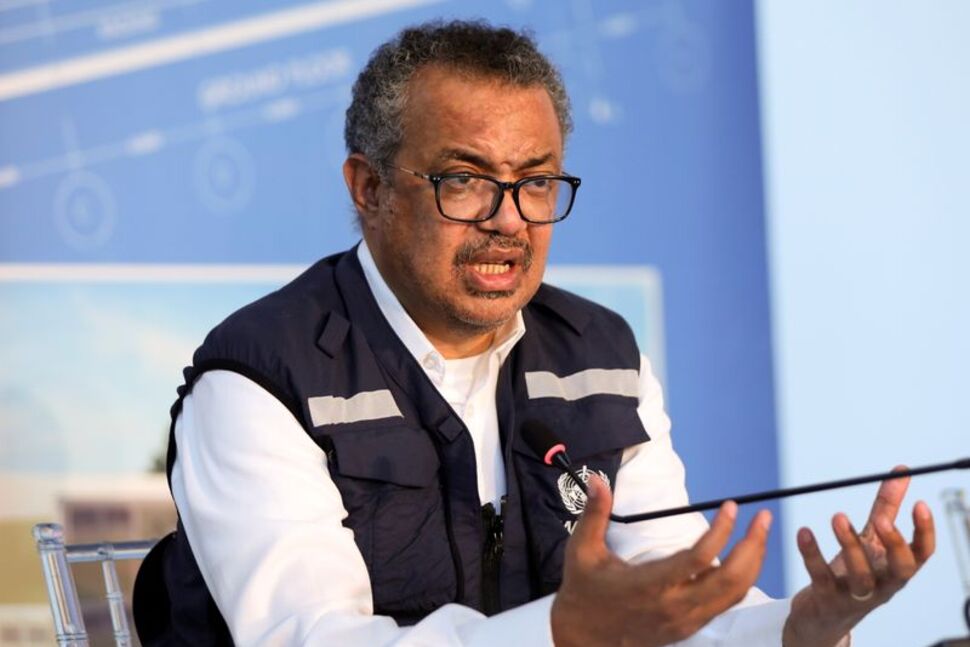
WHO director-general Dr Tedros Adhanom made the comment as they launched the WHO COP26 Special Report on Climate Change and Health in Geneva on October 11, in the lead up to the United Nation’s Climate Change Conference (COP26) in Glasgow, Scotland.
According to WHO, the report spells out the global health community’s prescription for climate action based on a growing body of research that “establishes the many and inseparable links between climate and health”.
The report recommended that countries must set ambitious national climate commitments “if they are to sustain a healthy and green recovery from the COVID-19 pandemic”.
“The COVID-19 pandemic has shone a light on the intimate and delicate links between humans, animals and our environment,” Dr Adhanom said in a statement from the WHO.
“The same unsustainable choices that are killing our planet are killing people,” he said.
According to the WHO, the report is launched at the same time as an open letter, signed by more than two thirds of the global health workforce – 300 organisations representing at least 45 million doctors and health professionals worldwide, calling for national leaders and COP26 country delegations to step up climate action.
“Wherever we deliver care, in our hospitals, clinics and communities around the world, we are already responding to the health harms caused by climate change,” the letter from health professionals reads.
“We call on the leaders of every country and their representatives at COP26 to avert the impending health catastrophe by limiting global warming to 1.5 degrees Celsius, and to make human health and equity central to all climate change mitigation and adaptation actions.”
The WHO stated that the report and open letter came as unprecedented extreme weather events and other climate impacts were taking a rising toll on people’s lives and health.
“Increasingly frequent extreme weather events, such as heatwaves, storms and floods, kill thousands and disrupt millions of lives, while threatening healthcare systems and facilities when they are needed most,” the WHO stated.
“Changes in weather and climate are threatening food security and driving up food-, water-, and vector-borne diseases, such as malaria, while climate impacts are also negatively affecting mental health.”

