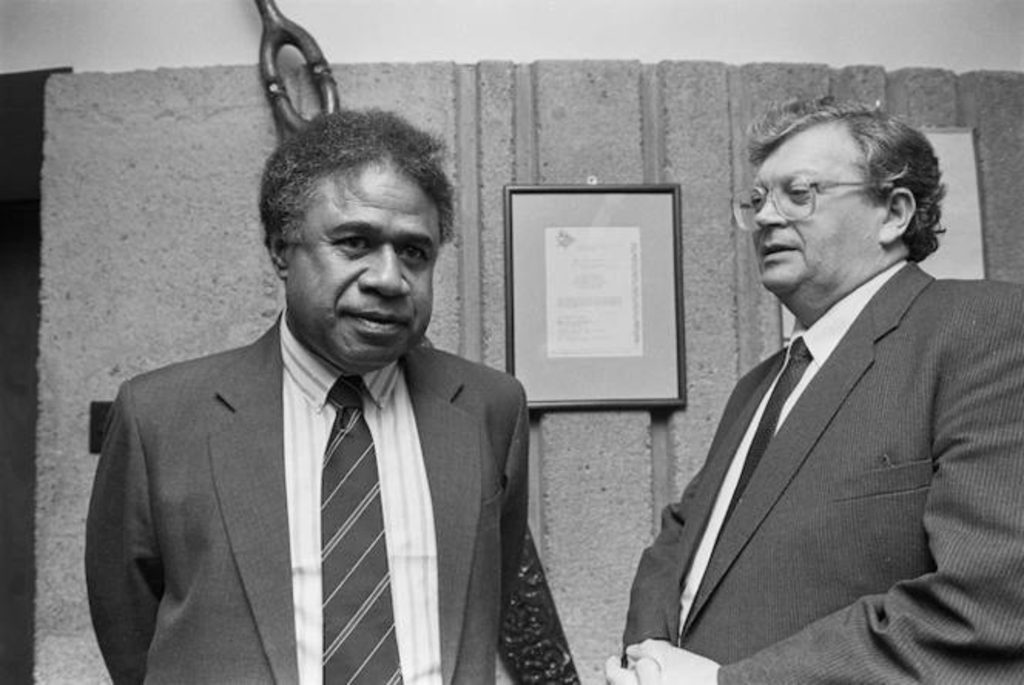
There are political lives that stretch across decades and there are those that, despite being brief, leave a mark far greater than their time in office.
Dr Timoci Bavadra belongs to the latter category.
This week marked his 92nd birth anniversary and while some had paid tribute to the man on social and print media, the week’s news was largely overshadowed by the presentation of the Constitution Review Report to parliament.
As the “scrapbook of the Fiji’s history” however, we will look back at his life and the lessons we can still gain as a nation from his vision.
It is worth remembering Dr Bavadra not simply as the man who became Prime Minister in 1987, but as a politician whose short journey to the nation’s highest office exposed some of the deepest fault lines in Fiji’s politics.
Dr Bavadra was born on September 22, 1934, and came from Viseisei in western Viti Levu. Before politics, he was a doctor who played an important role in developing primary and preventive healthcare, including village health clinics and family health programmes. He left the public service in 1985 to lead the newly formed Fiji Labour Party.
Here lies the distinctive characteristic that defined his motivation to strive for high office.
He did not emerge from politics as a career politician. He came from a profession centred on serving people and improving their everyday lives. Yet within two years of taking the Labour leadership, he was leading a coalition that would defeat Ratu Sir Kamisese Mara’s Alliance Party in the April 1987 election.
The victory was historically significant.
Dr Bavadra, an iTaukei leader, led a coalition that depended heavily on Indo-Fijian electoral support. It demonstrated that Fiji’s political loyalties did not necessarily have to follow ethnic lines.
But the election also exposed how fragile that possibility could be.
On May 14, 1987, barely a month after taking office, Bavadra’s government was overthrown in a military coup led by then Lieutenant-Colonel Sitiveni Rabuka, now prime minister of Fiji.
The coup has since become one of the defining events of modern Fiji.
Its legacy cannot be reduced to one argument or one interpretation. But the events demonstrated a painful reality: winning an election and commanding constitutional legitimacy did not, by themselves, guarantee political acceptance.
That is perhaps the most important lesson Dr Bavadra’s story leaves behind.
Can a coalition that crosses communal boundaries become stronger than the fears that divide the communities within it?
Fiji has travelled a long way since 1987. We have experienced constitutional changes, further coups, new political parties, new generations of voters and governments formed through different combinations of political interests.
Yet coalition politics remains part of our democratic landscape.
Dr Bavadra’s experience therefore deserves to be remembered not merely as history, but as a warning against assuming that elections alone can settle every question about identity, belonging and power.
Democracy requires more than counting votes. It requires accepting the result, respecting political opponents and allowing citizens to organise politically without having their choices reduced to the community they come from.
That is particularly relevant in a country where political parties have repeatedly tried to build bridges across ethnic and social divisions.
Dr Bavadra’s government was short-lived, but the idea behind its electoral victory was bigger than the government itself: that an iTaukei leader could lead a political movement supported by citizens from different communities.
After his government was removed, Dr Bavadra continued campaigning for the restoration of democracy. A delegation led by him travelled overseas to lobby for the return of the elected government, and he later participated in negotiations that produced the Deuba Accord before the second coup of September 1987.
He died of cancer in 1989, aged 55.
Perhaps the most fitting tribute today is therefore not to romanticise Dr Bavadra or pretend that the political circumstances of 1987 can simply be transplanted into today’s Fiji.
It is to remember what his brief premiership revealed.
A democracy is tested not only when our preferred side wins, but when someone else’s side wins.
And a multi-ethnic society is tested not when communities stand comfortably among themselves, but when they are prepared to share political space, compromise and accept that power does not belong permanently to any one group.
Dr Timoci Bavadra’s time as prime minister may have lasted only weeks but his questions have lasted much longer.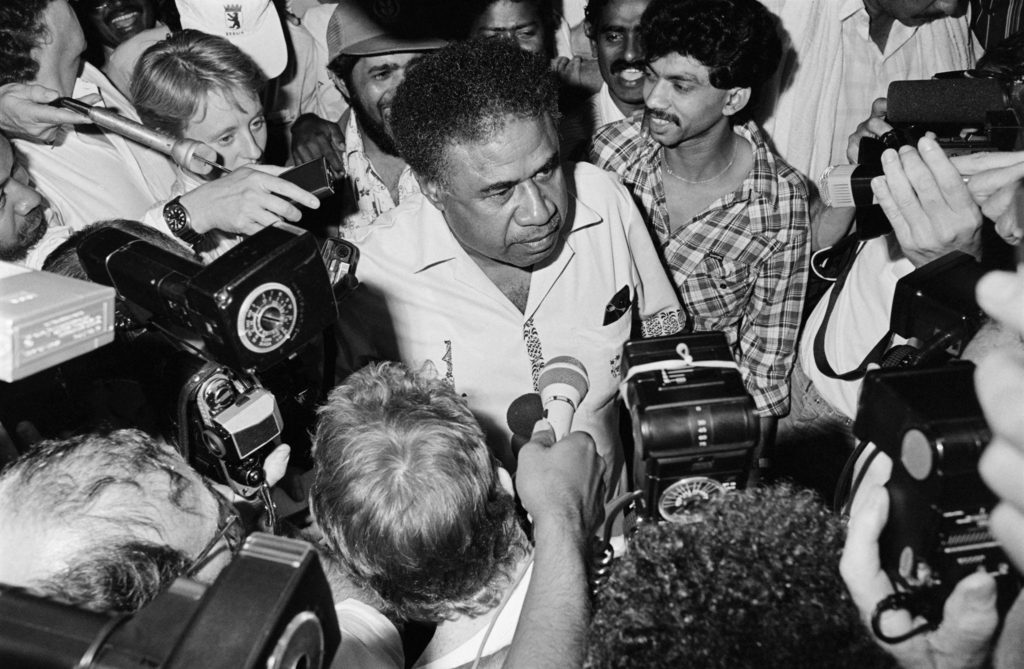
Dr Bavadra during his brief tenure as Prime Minister in 1987, before his government was overthrown in the May 14 military coup. Picture: SUPPLIED
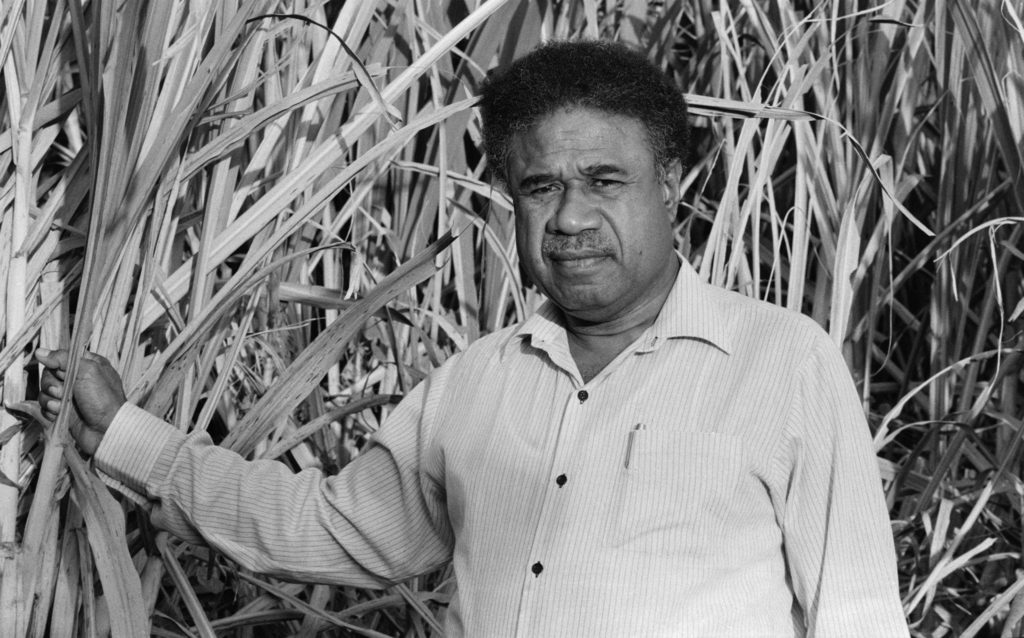
Dr Timoci Bavadra was a medical doctor before entering politics and becoming leader of the Fiji Labour Party.
Picture: SUPPLIED
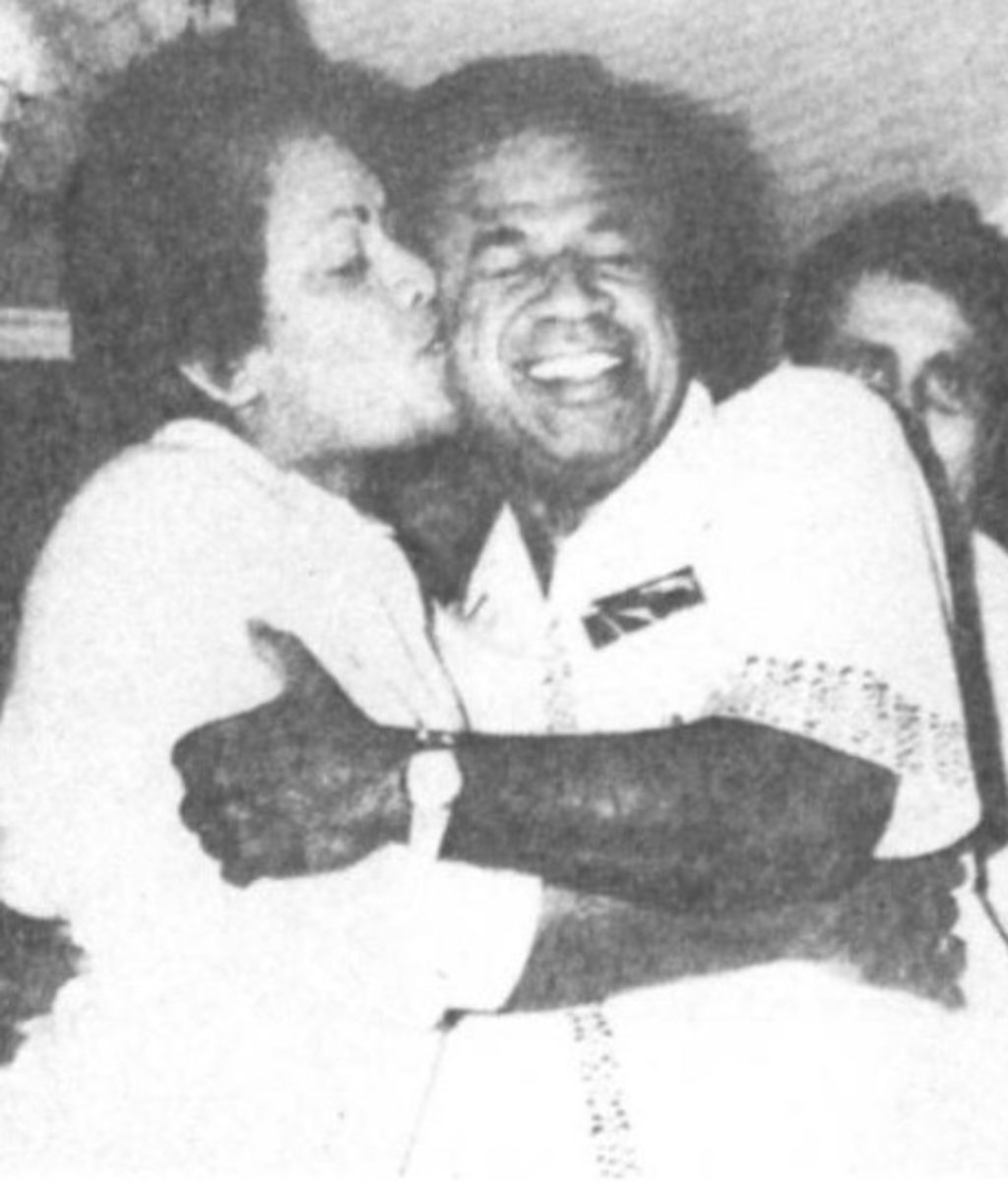
Dr Bavadra is embraced by his wife, Adi Kuini after he and his cabinet were released from military custody. Picture: SUPPLIED