
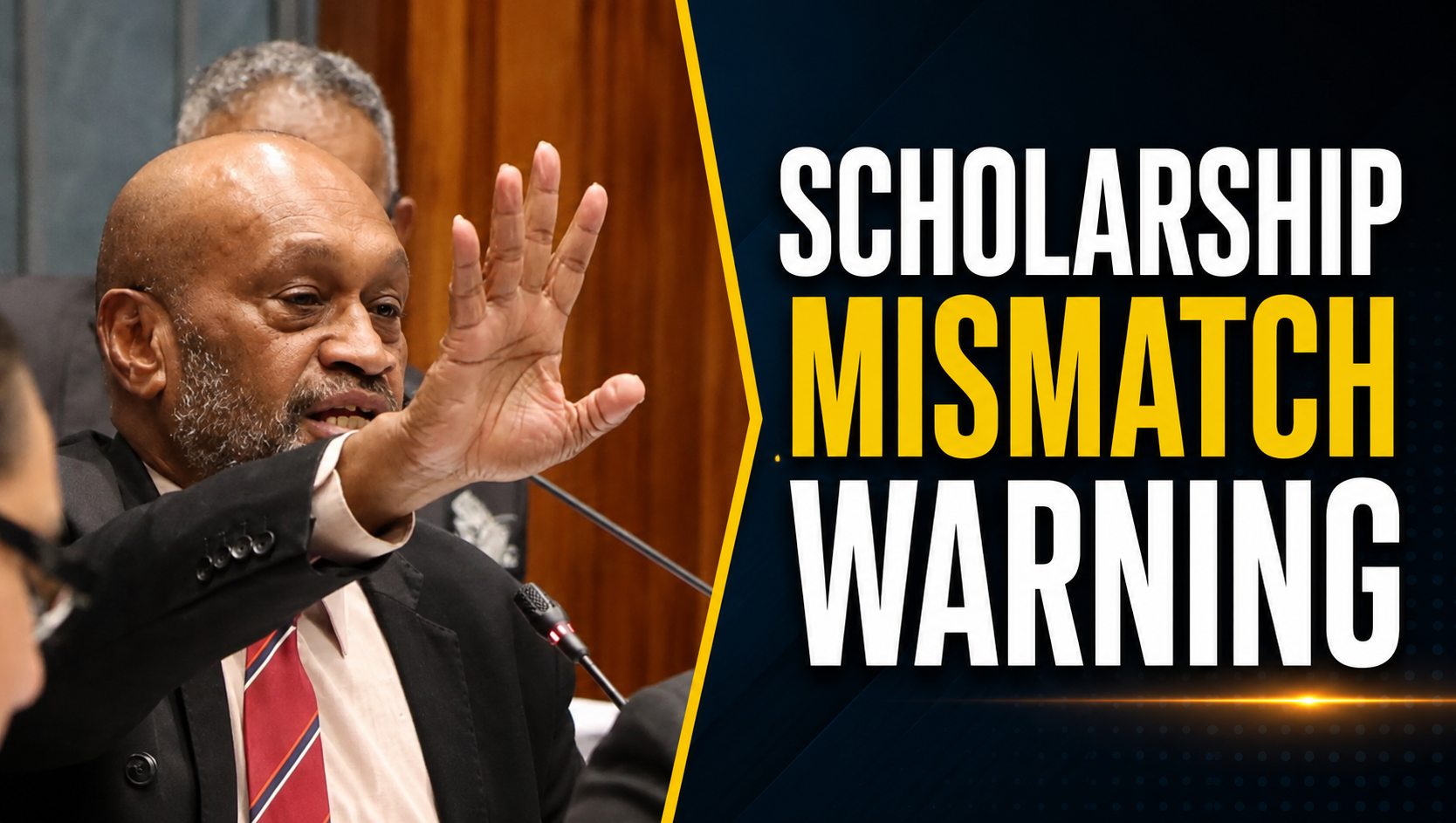
Opposition MP Jone Usamate has urged the Government to better align education and scholarship funding with Fiji’s workforce needs, warning that increasing investment is not delivering the outcomes the country requires.
Speaking during debate on the Budget Consequential Bills in Parliament yesterday, Usamate said the Opposition’s role was to provide constructive criticism in the national interest.
“Your role is to listen to the loyal Opposition of this country, giving its loyal commentary for the benefit of our country.”
Usamate said he remained concerned about what he described as a growing mismatch between education spending and employment outcomes.
“My feeling is that there’s a mismatch between what we’re doing in terms of the money that we are throwing into education and training and what we are getting out of it. There is a mismatch there.”
He called for scholarships and training opportunities to be more closely aligned with the country’s labour market demands.
“Aligning scholarships with national workforce needs… is very critical.”
Usamate said changes to scholarship eligibility had resulted in more students qualifying, prompting tertiary institutions to actively recruit students simply to fill available places.
“People have been getting more and more marks. More and more people are getting scholarships. So what do the institutions do? They start going around just hunting for people to take up these opportunities.”
He warned that public funds must translate into meaningful outcomes for industries facing skills shortages.
“We’re giving money and it’s not leading to the kind of outcomes and outputs that will meet the needs of our industry.”
While acknowledging that the Opposition did not have the numbers to defeat the legislation, Usamate said its responsibility was to ensure Government considered alternative views before implementing policy.
“Our votes are not going to count… But what counts is our words and our thoughts. That you think about them, and that you take it into account.”
He cautioned that the Government would ultimately be accountable for the success or failure of its decisions.
“If you make the wrong decisions in your execution, you must stand and bear responsibility for them.”

