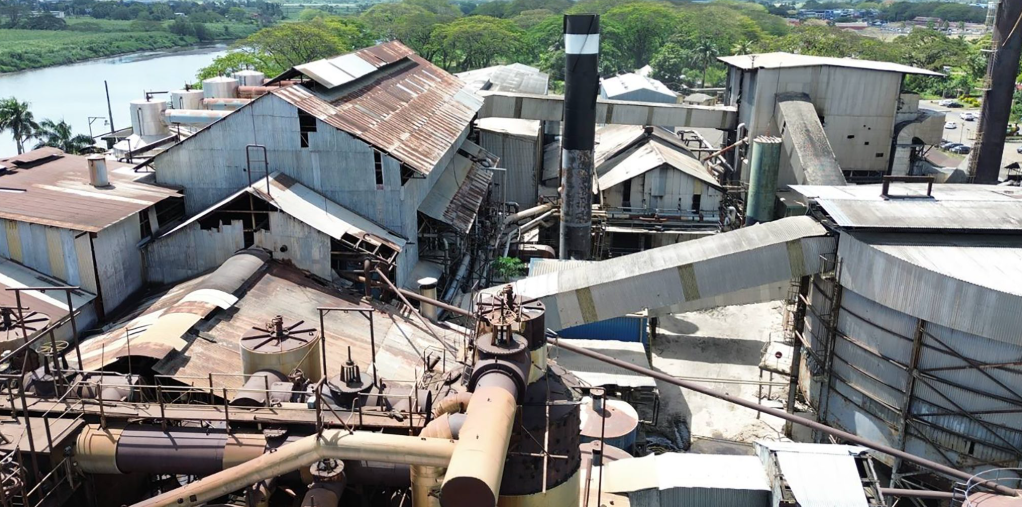
Sugar factories are spending between $3 million and $6 million annually for maintenance as the industry grapples with ageing mills and declining sugarcane production, according to the Ministry of Sugar Industry.
The figures were provided in the Ministry’s response to questions from Parliament’s Standing Committee on Foreign Affairs and Defence during its review of the Ministry of Sugar Industry’s 2020-2021 Annual Report.
The Ministry said factories were currently spending approximately $3 million to $6 million every year in relation to ageing mill infrastructure.
The disclosure comes as production figures show continuing pressure on an industry that remains an important part of Fiji’s economy.
According to figures submitted to the committee, Fiji produced 1.73 million tonnes of sugarcane in 2020, resulting in 152,000 tonnes of sugar.
Cane production dropped to 1.42 million tonnes in 2021, while sugar production fell to 133,000 tonnes.
In 2023, 1.57 million tonnes of cane produced 140,000 tonnes of sugar, while production declined to 1.33 million tonnes of cane and 126,000 tonnes of sugar in 2024.
Sugar production was listed at 110,000 tonnes in 2025.
The Ministry also outlined measures aimed at addressing declining farmer numbers and the movement of young people away from the industry.
It said existing and new farmers were being supported through cane planting grants, fertiliser and weedicide subsidies, assistance with lease renewal costs and grants for adopting new technology.
Subsidies are also available for mechanical harvesters, planters and fertiliser applicators.
The Ministry said cheaper loan financing was being offered to help establish sugarcane farms.
Other initiatives include promoting voluntary Fiji National Provident Fund schemes among farmers to improve retirement savings.
Farmers are also covered through a micro-bundled insurance scheme, while some have taken up parametric insurance to provide protection against climate-related events.
The Ministry’s response highlights the financial challenge of maintaining ageing milling infrastructure while simultaneously trying to reverse falling production and attract a new generation of farmers.