
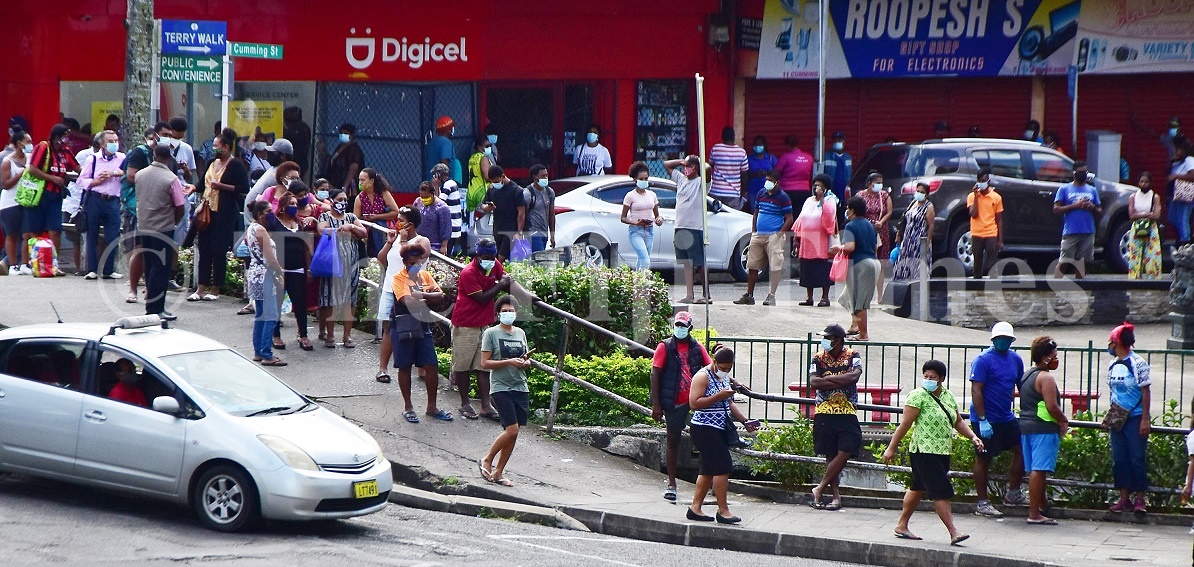
Transparency and fairness must be ensured at all times when determining who should receive cash assistance, states the Save the Children’s Fiji Cash Assistance Project report that examined how the organisation assisted Fijians during the COVID-19 pandemic.
Phase one ran from December 2020 to June 2021 and provided 16,772 households with cash assistance of $400 each.
Phase two distributions from August 2021 to January 2022 provided cash assistance of $600 to both the 16,772 phase one households and an expanded list of 22,228 additional households.
“Data suggests that some recipients and non-recipients (16.6 per cent in interviews and 39.3 per cent of Focus Group Discussions) found the selection process to be unfair.
Some respondents indicated that people with pre-existing relationships with those selecting recipients was beneficial, suggesting a bias existed, states the report.
“Many study participants stated that those people and organisations selecting recipients had intentionally included several members of their own families and friends. Two respondents went so far as to suggest that one selection agent engaged in bribery during the selection phase.
“Create and implement a transparent and consistent selection process, with clearly articulated selection criteria for program participation that is well communicated to communities and implementing partners.
“Ideally this selection process would involve means testing, but where contextual constraints limit the use of means testing, other selection processes may be used. “Whichever process is used, transparency and fairness must be ensured.
“Do not rely solely on partner organisations, village chiefs, nor the program staff to select beneficiaries based on previous knowledge of need.
“Once selection decisions have been made, communicate those decisions to both recipients and non-recipients who previously expressed interest in participating in the program.”

