
MORE Australians are heading overseas than ever, yet Fiji’s share of that travel seems to have plateaued. In 2023, visitor arrivals to Fiji surpassed the pre-pandemic record of 2019, and 2024 is shaping up to be almost unthinkably strong: inbound demand is approaching one million visitors.
For an industry that only a few years ago was grappling with empty resorts, cancelled flights and a global travel standstill, these numbers are remarkable.
Yet they also signal a reality we cannot ignore: the growth we’ve enjoyed may be reaching its limits, at least in the short term, without targeted structural support.
Tourism earnings have stabilised at over $3billion when foreign exchange and taxes are included.
That figure is impressive in isolation, but Australia, our key source market, seems to have reached saturation.
Australians are increasingly travelling abroad, and Fijians themselves are joining the trend, with resident expenditure overseas rising.
While the net travel trade balance isn’t expected to significantly drag on total economic output, it highlights a shift in the travel landscape that Fiji cannot ignore.
These aren’t new issues, but I can now say with confidence that the relevant government agencies are listening.
Budgets are being allocated, and concerns are being heard.
What remains is the challenge of deploying those resources effectively, to get supportive infrastructure where it truly needs to be, to unlock Fiji’s next phase of economic progress.
Tourism is our low-hanging fruit.
It is a mature and well-understood sector with ready-made pathways to accelerate economic development.
Expanding room inventory, improving transport efficiency and easing logistical bottlenecks directly translate into more jobs, more revenue streams, and a boost in foreign exchange.
That, in turn, allows Government to support education, healthcare, roads, bridges and affordable housing.
Every dollar of additional tourism revenue reinforces not just the industry itself but the broader economy.
At the same time, the government is rightly exploring economic diversification, recognising our over-reliance on a single industry.
And yet, no other sector in the immediate future can match tourism’s ability to generate revenue, foreign exchange, employment and significantly impact a vast supply chain that supports more SMEs, women and communities.
This is not a matter of fancy economics; it is simple common sense.
Work smarter with what you already have, and you set the stage for sustainable long-term growth.
But this requires very targeted interventions, and the following issues have been discussed at length – and we repeat them here today because there are critical elements to consider over the next planning phases.
Take Nadi, for example, the hub for much of Fiji’s inbound tourism.
The airport and its surrounding infrastructure are struggling to keep pace.
Roads are congested and accident-prone, traffic lights are insufficient and inefficient, and the large roundabout near the airport has outgrown its purpose.
A railway crossing at the airport entrance can halt departures when a train stops there.
Utilities such as water and wastewater management were planned without factoring in tourism’s ability to have sudden growth spurts, leaving the western division constrained despite being our tourism gateway.
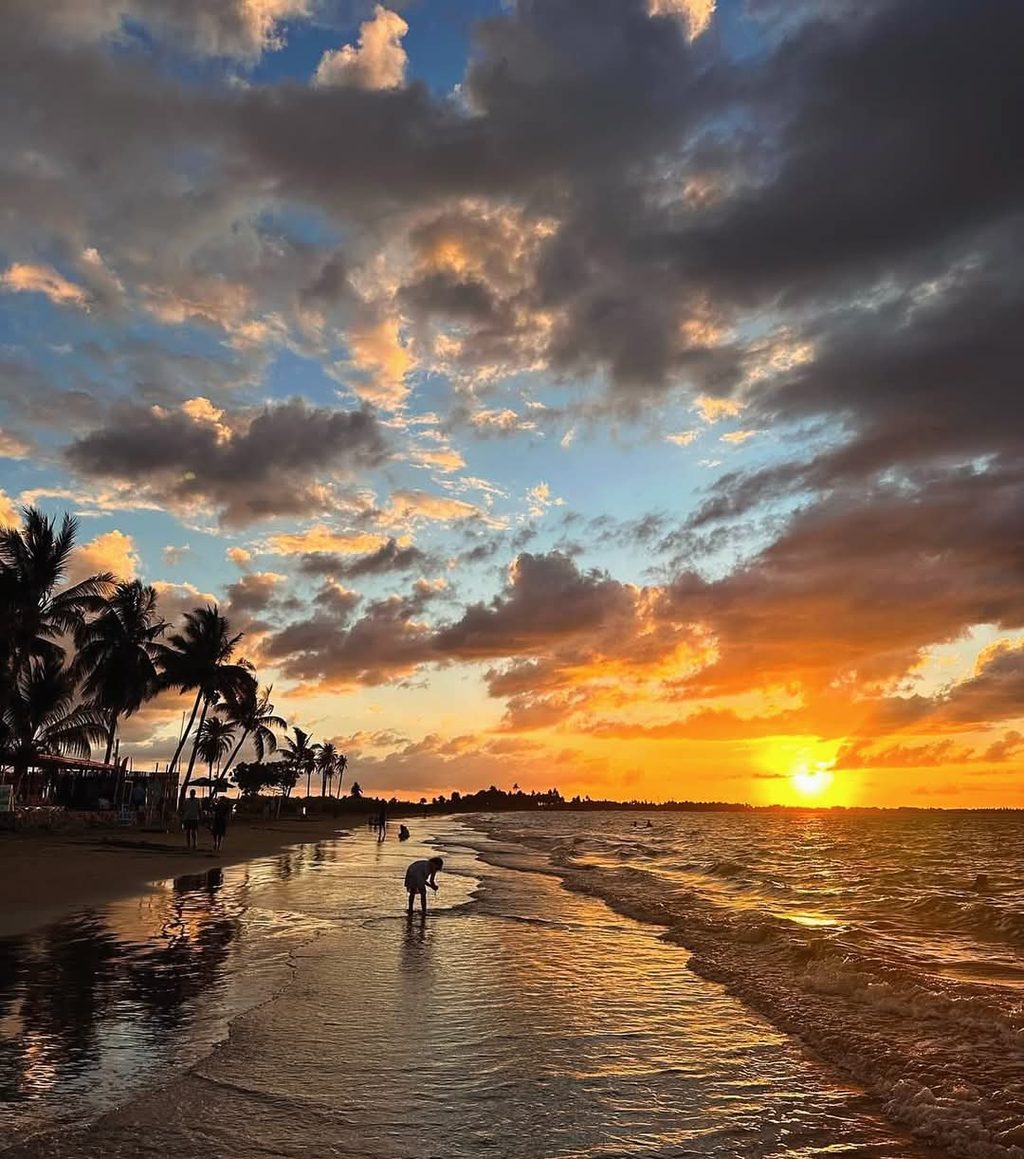
Wailoaloa has long been a prime tourism opportunity, offering beach access, land, straight roads, proximity to the airport and stunning sunsets.
Votualevu could have provided affordable housing for decades, yet opportunities were blocked or missed.
Now we are left with a patchwork of underutilised spaces, congested streets and infrastructure struggling to serve the very industry meant to drive national growth.
Practical constraints abound.
Insufficient water and power capacity, overloaded waste systems, poorly planned roads and airport extensions delayed by over a decade all create a ceiling on tourism expansion.
Young Fijians are choosing not to enter traditional industries like sugar farming, leaving more land available but increasing reliance on imported fresh produce for resorts, a reliance growing from 40 percent to over 50 percent, affecting costs and visitor experience.
These are not abstract concerns; they directly influence our growth potential.
Fiji should be capturing more of the global visitor market, but we’re held back by the realities on the ground.
In many ways, we’re operating at full stretch. Growth isn’t out of reach, but it won’t happen by accident.
It demands bold decisions, smart planning, and a shared commitment to undo years of underinvestment.
And the prize is worth it.
Our islands, reefs, and cultural experiences are extraordinary, not because they outshine others, but because we’ve built something uniquely inclusive, protective and welcoming.
We know how to share what we have.
But potential alone won’t carry us forward.
Without the right infrastructure, we risk turning opportunity into frustration.
Bigger airports, better roads and reliable utilities aren’t glamorous, but they’re the foundation of sustainable growth.
If we want to keep pace with rising demand, we need to match our natural assets with built ones.
Fiji’s tourism story is one of bold ambition, grounded by real-world constraints. We have the natural beauty, the warmth of our people, and a spirit of enterprise that’s second to none.
But we also face structural barriers, some inherited, some newly emerging, that must be tackled head-on.
As industry advocates, our mission is clear: speak truth to power, consistently and constructively.
This isn’t just about visitor numbers. It’s about livelihoods, resilience and inclusive growth that lifts every Fijian.
And timing is everything.
Each year of delay widens the gap between what we could achieve and what we actually deliver.
Road upgrades stall.
Water and waste systems buckle under pressure.
Airport expansions lag.
The cost isn’t abstract; it’s lost revenue, missed employment, and communities left waiting for opportunity.
Yet momentum is building.
Government is listening. Budgets are shifting.
Agencies are engaging.
Now comes the critical phase: translating intent into impact. That means prioritising high-return projects, deploying resources with precision, and ensuring cross-sector coordination.
Tourism doesn’t operate in isolation; it’s woven into the fabric of national development.
Roads, utilities, housing, healthcare, education, they all intersect with the visitor economy.
Align them well, and the ripple effect is transformative.
The industry delivers what few sectors can, an immediate, visible impact.
It creates jobs across skill levels, fuels local enterprise, boosts foreign exchange, and underpins public services.
Every dollar earned builds economic resilience.
But none of this is automatic.
Fiji’s path forward is clear, even if complex.
We must invest boldly in infrastructure, coordinate planning across sectors and embrace innovation.
That means confronting tough questions on land use, urban growth and resource allocation.
Growth brings opportunity, but it also demands responsibility.
There’s no magic fix, but there is a roadmap.
With deliberate, coordinated action, we can unlock extraordinary potential.
The private sector must continue to push boundaries, resorts upholding world-class standards, operators diversifying experiences, transport providers introducing their state-of-the-art vehicles and vessels, and communities staying central to the story.
Tourism is not just about infrastructure; it’s about people, pride and place.
We stand at a pivotal juncture, having surpassed pre-pandemic benchmarks and cemented our status as a South Pacific leader. But success has also revealed pressure points. If we don’t act, we risk stagnation.
Infrastructure, planning and investment aren’t optional; they’re urgent.
The good news? We’re not starting from scratch. We know what needs to be done. We have the experience, the commitment and the vision.
Now is the time to turn momentum into transformation.
The question is whether we are willing to turn potential into reality.
I have no doubt we will.

