
The Fiji Hotel and Tourism Association has rejected Government claims that the tourism industry is using “delaying tactics” and risks “sabotaging” the Tourism Services Tax, saying its concerns are focused on protecting visitors who booked their holidays before the new levy was announced.
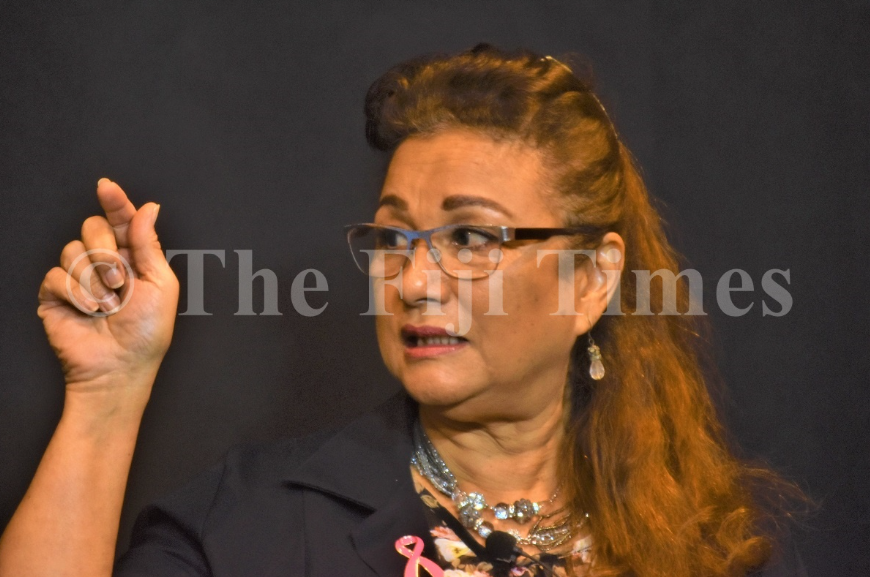
FHTA chief executive officer Fantasha Lockington said the association supported Government assistance for Fiji Airways and was not calling for the five per cent tax to be scrapped.
However, she said applying the tax to bookings made and paid for before its introduction was unfair to visitors and risked damaging Fiji’s reputation as a tourism destination.
“Put yourself in the position of a family in Australia or New Zealand who booked and paid for their Fiji holiday eight months ago,” Ms Lockington said.
“They budgeted for a set price, in good faith, based on the rules that existed at the time. They now arrive to find an unexpected charge added to their bill, for a tax that didn’t exist when they booked.”
She said the dispute was not about whether Fiji Airways deserved support, but about the treatment of existing bookings.
“This isn’t a debate about whether Fiji Airways deserves support. It’s about Government going back on what it told this industry it would do and then refused to provide the consumer fairness the tax called for.”
FHTA said it had sought an assurance during consultations that bookings already contracted, and in many cases fully paid, would be exempt from the levy.
According to the association, that assurance was initially provided but was subsequently overturned in the final legislation and guidance without explanation.
FHTA also challenged Government’s reference to tourism contributing about five per cent of corporate tax collected nationally.
It argued that corporate tax reflected profits rather than the industry’s overall economic contribution, pointing to Government’s own figures that tourism generated about 40 per cent of Fiji’s economic activity and nearly $3 billion in foreign exchange earnings annually.
The association said members were already experiencing the impact of the tax, including at least one confirmed case involving a multi-room group booking that was cancelled and rebooked to another destination because of the additional charge.
“Every cancelled booking is a passenger who was going to fly Fiji Airways to get here, and now won’t,” Ms Lockington said.
“We want Fiji Airways to succeed. But applying this tax retrospectively to bookings that were already locked in gives visitors a reason to cancel rather than a reason to fly here. That helps no one, least of all the airline.”
FHTA also distanced itself from recent comments attributed to the Tourism Action Group supporting the tax, saying it withdrew from TAG on July 4, 2026, and that the group’s positions no longer represented FHTA’s views.
Ms Lockington said FHTA’s request remained for Government to exempt bookings made and paid for before the tax was announced.
“We support what Government is trying to do for Fiji Airways,” she said.
“We are simply asking Government to keep its word on how this would apply to people who had already booked their holiday. That is not too much to ask.”

