
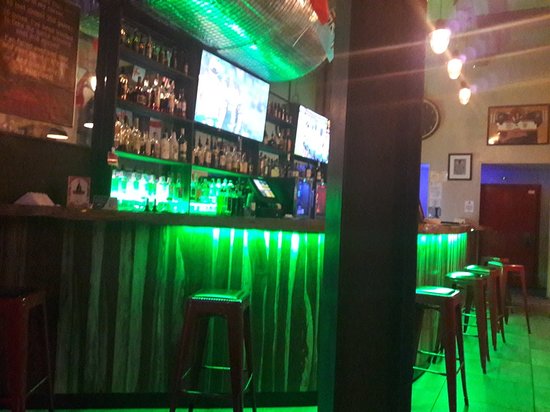
In 1974, men and women were allowed to drink together in a new class of public bar following an amendment to Fiji’s liquor laws.
Other changes the Government had introduced in the Liquor Ordinance allowed women to work as barmaids in this new type of bar.
The amendments also proposed big increases in liquor license fees and nightclubs, which used to sell liquor until 2pm, stopped doing so at midnight.
According to The Fiji Times on Wednesday, June 19, 1974, the proposed changes to the liquor law appeared in a bill the Government published in mid-June.
The new inclusions in the law aimed at improving conditions in public bars and restaurants while tightening control on drunkenness, the Attorney-General, Mr John Falvey, said in a note accompanying the bill.
He said the new bars, to be called taverns, would be in selected residential areas.
Unlike other public bars, these taverns were not to offer bedroom accommodation and were able to serve women over 18 years. The new provisions changed the definition of public bar to allow women over 21 to work as barmaids.
Mr Falvey said experience in amalgamating nightclubs and restaurant licenses as one license was unsatisfactory in practice. For this reason, the amendments proposed separate licences.
The holder of a nightclub licence was able to sell liquor between noon and 2.30pm and 6pm and midnight if he imposed a minimum cover charge of $1 and provided music, dancing or other entertainment.
A restaurant licence permitted liquor with meals between noon and 2.30pm and 6pm and 11pm.
A town publican’s licence, increased from $180 to $1000 and a town tavern licence to $500.
A special hour licence, that had cost $40, increased to $500. Before, the tribunal had a commissioner as chairman and two other members.
The new laws stipulated that a magistrate should be chairman and three members, including the commissioner and two non-civil servants.
Other amendments empowered licensees to deny entry to ‘drunken, violent, quarrelsome or disorderly people’.
The maximum fine a licensee who failed to keep such control faced was increased from $200 to $500.
Other fines increased under the proposed amendments. For example, a licensee who knowingly permitted prostitutes to frequent his premises was to be fined up to $400.
Disorderly customers refusing to leave a bar when asked by the licensee or a police officer faced a fine of up to $100 and six months gaol.

