
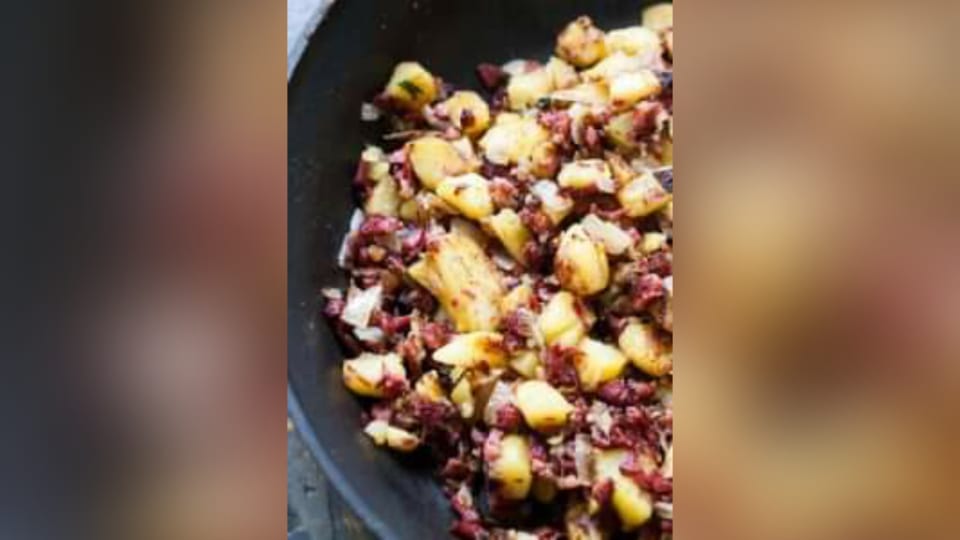
As the pandemic and lockdown continue, cooking low budget meals at home for the family is becoming even more prevalent as many conserve what little money they have to see them through the rest of the year.
Uncertainty and unemployment has affected many families, especially in the tourism-affected Western district.
Stocking the cupboards with tinned fish and tinned meats, instant noodles and other dry goods to supplement fresh vegetables makes total sense during this pandemic.
The challenge is to spend as little money possible at home, yet still provide substantial meals that are somewhat nutritious and not completely devoid of nutrition.
Most of us are in survival mode right now, so learning how best to eat what food is at home is critical to surviving the rest of the year under a nationwide lockdown.
After last week’s article about tinned tuna, or “Chicken of the Sea” as US servicemen used to call it, many readers have asked about recipes for another staple food in most kitchen pantries – tinned corn beef or corned mutton.
Tinned meat is not exactly a healthy food.
Although it contains good amounts of vitamin B12 and zinc, corned beef and especially corned mutton, are high in cholesterol, saturated fat, and salt – the trinity of NCD causing ingredients.
But like all tinned foods, there is good and bad aspects, and when eaten in moderation with healthier ingredients, you can transform that can of processed meat into a cost effective and hearty meal.
Wartime rations
Despite its bad rap, I have had a childhood love affair with tinned corned beef, or “bully beef” as we knew it growing up in Australia.
My dad learned to love tinned beef when he was growing up in Papua New Guinea, as they were very popular during World War Two, when fresh meat was rationed, and tins of meat were a cheap and fast way to feed families.
Australian soldiers stationed in PNG also carried tins of corned beef in their rations, usually eating them with dry biscuits, as they battled the imperial Japanese army in the tropical jungles of New Guinea.
Now more health conscious, a tin of corned beef is a luxury food item for me; a rare chance to rekindle a childhood favorite with all its naughty connotations of dietary guilt and badness.
Survival food
Tinned meat’s popularity in our region should not be surprising, especially in rural areas and distant islands where a local butcher or supermarket is non-existent.
Like tinned tuna, corned beef and mutton also provide emergency food rations during times of natural disasters, and particularly when electricity is not available to power fridges and freezers.
In the immediate aftermath of a cyclone or during the recent COVID lockdown, supplies of corned beef and mutton disappeared within days, as people stocked up on them. Its value as a survival food for short-term nourishment is undisputed.
It’s ideal during cyclones, power outages, pandemics and in war zones.
Not an everyday food
For those keeping an eye on your weight or cholesterol, tinned meats should be a luxury item eaten very rarely – maybe once a month.
According to the US site Nutritionix, a 225 gram serving packs a whopping 600 calories, 68 per cent of your daily fat allowance, 50 per cent of your salt and 48 per cent cholesterol allowance.
Those 600 calories will take you more than one hour to walk off, 30 minutes to run off or 45 minutes on the bike.
And you’ll also want to make sure your tin of meat contains just that – meat.
Some brands include hearts and other offal, which some may like, but if I am going to enjoy my once-every-few-months tin of corned beef, I want to make sure it only includes meat.
There are some good aspects Generally speaking, red meat like corned beef and mutton aren’t too healthy for Pacific Islanders, and is one of the reasons why most doctors recommend a meat-free diet for those who get sick when they age.
It contains high amounts of saturated fat, cholesterol, and sodium—all of which are not good for heart health and blood pressure.
And to make things worse, tinned corned beef and mutton is cured with sodium nitrite to maintain the color and flavour of the meat, while impeding bacterial growth. Nevertheless, there’s a bright side to eating corned meats as well.
Corned beef contains a good amount of essential nutrients. It is a good source of protein, zinc, iron, and vitamin B complex.
These nutrients are useful in maintaining and performing vital organ functions. Corned beef also contains zinc, which helps to heal wounds and acne quickly, maintains proper functioning of the immune and digestive systems, improves metabolism, and controls diabetes and stress levels.
The iron content plays a role in the proper absorption of oxygen in the blood and produces hemoglobin.
It also prevents and treats anemia and fatigue.
Antioxidants like selenium are also found in considerable amounts in corned beef.
The selenium in it has anti-inflammatory properties, promotes good heart health, and can reduce oxidative stress.
So eating corned beef and mutton sporadically will not cause any major health hazards.
However, people with heart issues and other medical conditions should refrain from eating it, or at least consult their doctor.
Tips on how to enjoy
To enjoy the occasional canned meat there are some little tricks to help reduce the fat and salt intake including draining off the excess fat once cooked, or mixing the meat with more fat-fighting ingredients like fresh vegetables and citrus.
If you have a choice of a reduced salt or less oil version, then definitely choose to buy these.
Another way to enjoy tinned meats with less guilt is to follow the Chinese principle of flushing.
Rather than leave the salt and fat inside your gastrointestinal tract to digest normally, fl ush it out with hot drinks, not cold.
Fats tend to solidify when they come in contact with cold drinks, causing blockages of the digestive tubes, leading to gastric, or if the oil seeps into your bloodstream, can cause blockages of blood vessels leading to heart attack.
The Chinese usually drink cups of hot black tea or hot water when eating any oily foods, to push the fat through the digestive tract and eventually out the back door when you visit the washroom – as quickly as possible.
Also, try to not eat tinned meats late at night, especially after yagona, as the fatty meat will stay stuck in your tubes whilst you sleep.
It’s not a very appetizing way to talk about tinned meats, but you need to balance the bad with the good.
Eat, flush, poo.
- Lance Seeto is the chef/owner of KANU Restaurant in Martintar, Nadi’s popular Asian fusion restaurant.

