

IN a world where people are increasingly aware of health and wellness, one of the simplest and most effective ways to protect ourselves from illness is often overlooked — washing our hands before eating.
It is a habit most of us were taught as children, yet many people still forget to do it consistently.
According to betterhealth.vic.gov.au, health experts continue to emphasise that proper handwashing with soap and water remains one of the most powerful tools in preventing the spread of infectious diseases and protecting families from harmful germs.
Every day, our hands come into contact with countless surfaces. From door handles and shopping trolleys to mobile phones, money, and public transport, germs can easily accumulate on our skin without us even noticing.
When we sit down for a meal without washing our hands, those germs can be transferred directly into our mouths, increasing the risk of illness.
Many infectious diseases are spread through contaminated hands. These include gastrointestinal illnesses that cause diarrhoea, vomiting, and stomach cramps, as well as respiratory infections such as colds, influenza, and other viruses.
For young children, elderly people, pregnant women, and individuals with weakened immune systems, these infections can lead to serious health complications.
Washing hands before meals acts as a critical barrier against these diseases.
It removes bacteria, viruses, and other harmful microorganisms that may have been picked up throughout the day.
A simple 20-second handwash with soap and running water can significantly reduce the likelihood of infection.
The importance of hand hygiene became especially clear during the COVID-19 pandemic, when health authorities around the world encouraged regular handwashing as one of the primary methods of reducing the spread of the virus.
While the pandemic heightened awareness about cleanliness, the benefits of proper handwashing extend far beyond a single disease.
Good hand hygiene is particularly important in households with children. Young children frequently touch surfaces, play outdoors, and place their hands near their mouths.
Teaching them to wash their hands before meals helps establish lifelong healthy habits while reducing the risk of bringing germs into the home.
Parents play a crucial role in setting this example. When children see adults washing their hands before eating, they are more likely to follow the same behaviour.
Creating a routine around handwashing before breakfast, lunch, dinner, and snacks can make the practice a natural part of daily life.
Proper handwashing is straightforward but should be done correctly to be effective. Hands should be wet with clean running water before applying soap.
The soap should be worked into a lather and rubbed over all parts of the hands, including the backs of the hands, between the fingers, under the fingernails, and around the wrists.
This process should take at least 20 seconds before rinsing thoroughly under running water and drying with a clean towel or air dryer.
Many people rely on hand sanitiser when soap and water are not available. Alcohol-based hand sanitisers containing at least 60 per cent alcohol can help reduce germs in certain situations.
However, they are not always effective against all types of germs and cannot remove dirt or grease from the hands.
For this reason, health experts agree that washing with soap and water remains the gold standard, particularly before meals.
Hand hygiene also goes beyond protecting individual health.
It helps reduce the spread of illness within schools, workplaces, communities, and households.
Fewer infections mean fewer missed school days, reduced healthcare costs, and healthier communities overall.
For people living in rural areas or large family households, maintaining good hygiene practices can be especially valuable.
A single illness can quickly spread among family members, causing disruption and financial strain. Something as simple as washing hands before eating can help prevent such outbreaks and keep families healthy.
Looking after the skin on our hands is equally important. Frequent washing can sometimes cause dryness, so using a moisturising hand cream and protective gloves for household chores can help maintain healthy skin while continuing good hygiene practices.
At its core, handwashing is a small action with a significant impact. It requires only soap, water, and a few seconds of our time, yet it can prevent illness, protect vulnerable family members, and improve overall wellbeing.
Before every meal, taking the time to wash your hands is more than just a routine. It is an investment in your health and the health of those around you.
In a busy world filled with daily responsibilities, this simple habit remains one of the easiest and most effective ways to keep ourselves and our communities safe.
Clean hands truly do save lives one meal at a time.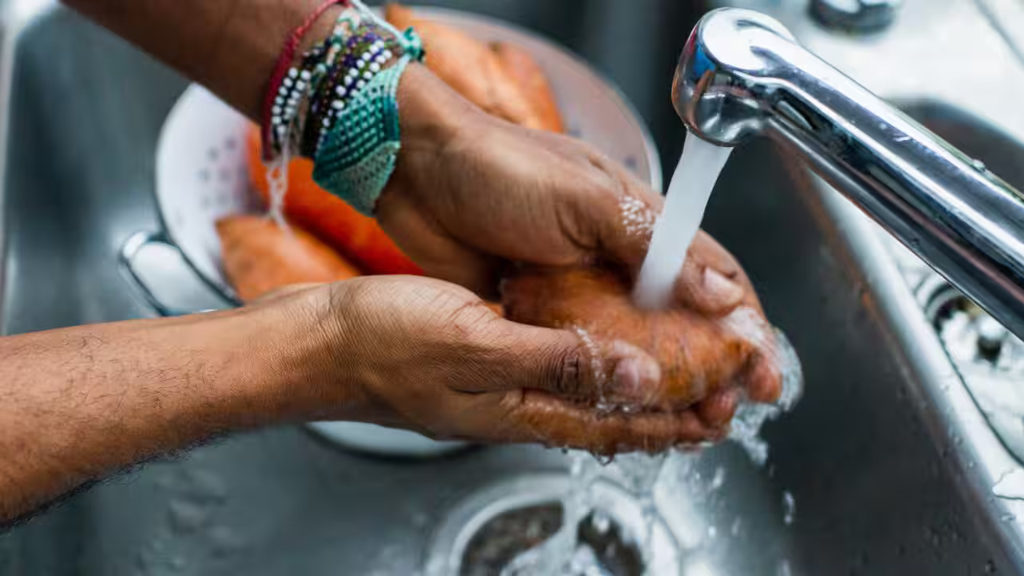
Washing hands has been a central part of personal hygiene.
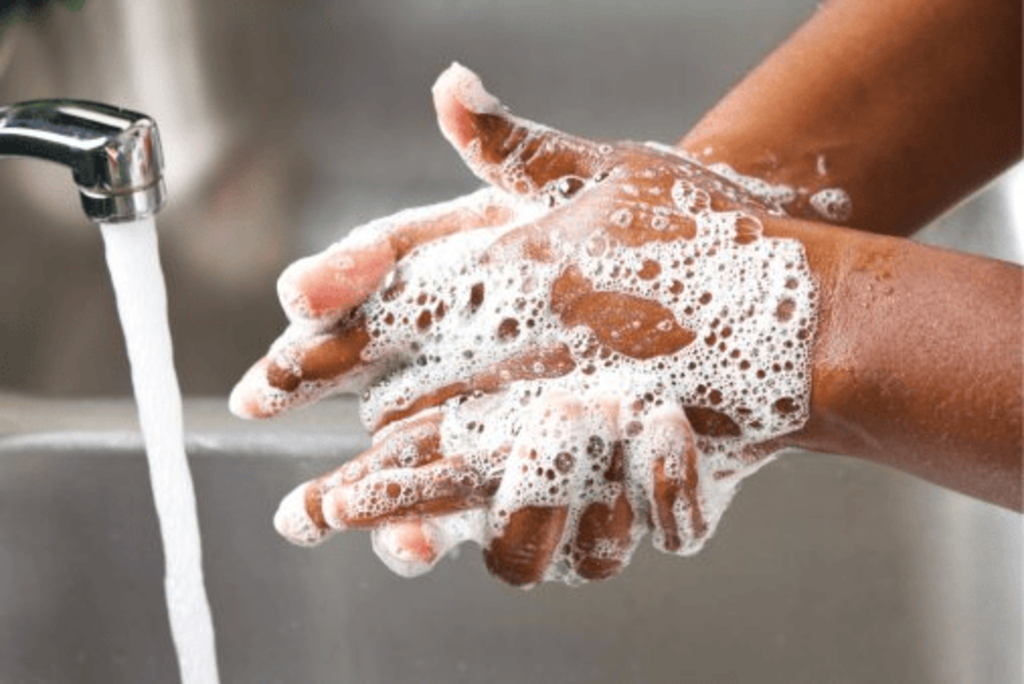
whatever you do, make certain your hands are clean, before having your meal.
Picture: GOOGLE




