
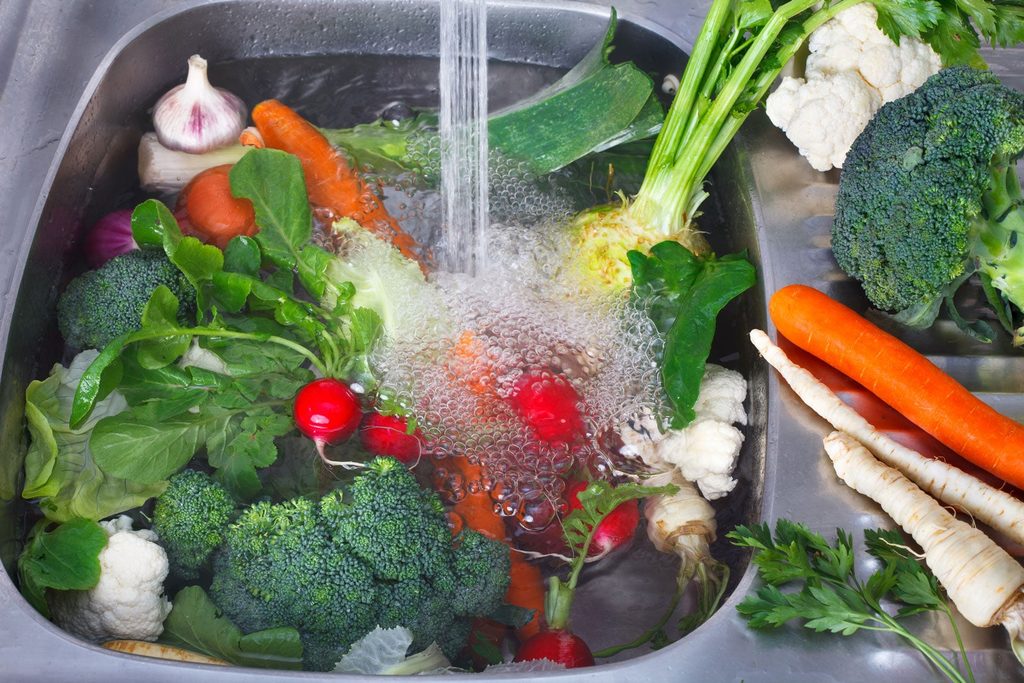
FRESH fruits and vegetables are an essential part of a healthy diet, providing the vitamins, minerals and nutrients our bodies need every day.
Whether you’ve picked up colourful produce from your local supermarket, explored the weekend farmers’ market or harvested vegetables from your own garden, one simple step should never be overlooked before you enjoy them washing them properly.
According to allrecipes.com, many people assume that a quick rinse is enough, while others rely on soaps or special fruit washes.
The good news is that cleaning your produce doesn’t have to be complicated. With a few simple techniques, you can remove dirt, reduce residues and enjoy your fresh food with confidence.
Why Washing Produce Matters
Before reaching your kitchen, fruits and vegetables travel a long journey.
They are grown in fields or orchards, handled during harvesting, transported to packing facilities, displayed in stores and often touched by many hands before ending up in your shopping basket.
During that journey, produce can collect dust, soil, bacteria and tiny traces of pesticides. Some fruits and vegetables are also coated with a thin layer of edible wax to help maintain freshness and protect them during transport.
Although these residues are generally considered safe within regulated limits, washing your produce helps remove surface dirt and unwanted particles while giving you peace of mind before eating or cooking.
Wash Just Before You Eat
One of the biggest mistakes people make is washing all their produce as soon as they get home from the supermarket.
While it may seem like a great way to save time, excess moisture can actually cause some fruits and vegetables to spoil more quickly.
Leafy greens, fresh herbs and berries are especially delicate. Washing them before storage can encourage mould growth and shorten their shelf life.
Instead, it’s best to wash fruits and vegetables just before you’re ready to use them.
If you prefer preparing snacks ahead of time, make sure the produce is thoroughly dried before returning it to the refrigerator.
The Best Way to Wash Produce
For most fruits and vegetables, the simplest method is also the most effective.
Hold the produce under cool running water while gently rubbing the surface with your hands. This removes most dirt, dust and surface residues without the need for soap, detergent or chemical produce washes.
There’s no need to soak fruits and vegetables in bleach or cleaning solutions, as these products are not designed for food and may leave harmful residues behind.
For firm produce such as potatoes, carrots, cucumbers and apples, using a clean vegetable brush while rinsing under water can help remove stubborn dirt.
Some Produce Needs Extra Care
Certain fruits and vegetables require slightly different cleaning methods to ensure they are free from grit while staying fresh and intact.
Leeks are well known for trapping soil between their tightly packed layers. Trim off the roots and dark green tops, slice the leek, then place the pieces into a bowl of cold water.
Swish them gently with your hands and lift them out, leaving the grit behind at the bottom of the bowl.
Berries, including raspberries and blackberries, are extremely delicate. Place them in a colander and rinse gently under cool running water just before serving. Spread them on paper towels and gently pat dry to avoid bruising.
Leafy greens and fresh herbs should also be rinsed carefully under cool water. If they contain visible dirt or sand, soak them briefly in a bowl of cold water before lifting them out and draining them in a colander. A salad spinner is an excellent way to remove excess water and keep leaves crisp.
Mushrooms require a gentle touch. Quickly rinse them under running water while rubbing away any dirt with your fingers, then pat dry with a clean paper towel. Avoid soaking mushrooms, as they absorb water easily and can become soggy.
Healthy Habits Start in the Kitchen
Making produce washing part of your daily routine is one of the easiest ways to support good food hygiene. It takes only a few minutes but helps remove dirt, bacteria and other unwanted particles before meals are prepared.
Pair clean produce with proper food handling by washing your hands before cooking, using clean chopping boards and storing fruits and vegetables correctly in the refrigerator.
Fresh fruits and vegetables are among the healthiest foods you can eat.
By giving them a quick but thorough wash before serving, you’ll enjoy every bite knowing your meals are as fresh, clean and safe as possible.
After all, great meals begin with fresh ingredients, and clean produce is the first step towards healthier eating.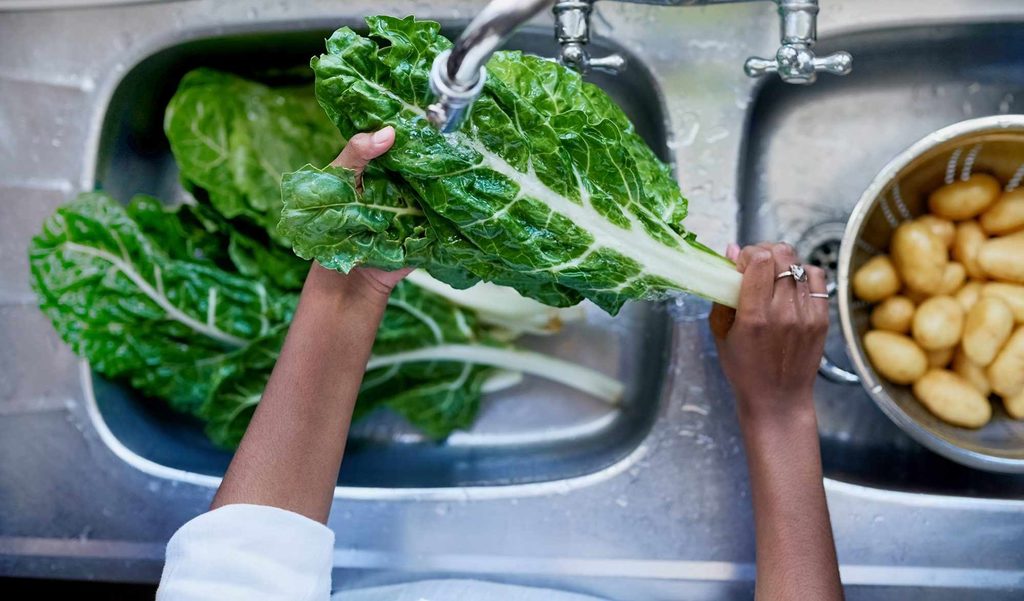
Clean fruits and vegetables are more appealing to eat and prepare.
Picture: GOOGLE

Whether you’ve picked up colourful produce from your local supermarket, explored the weekend farmers’ market or harvested vegetables from your own garden, one simple step should never be overlooked before you enjoy them — wash it properly.
Pictures: GOOGLE

