
Bula Vinaka shoppers, The hot topic in many households today is the rising cost of living. From the price of fuel to the cost of basic groceries, we are all feeling the pressure as we struggle to make ends meet at home.
The other day, I went to fill up my car and realised just how much more I had to pay. What used to cost me $40 to top-up ended up costing $75. It was a stark reminder of how rising fuel prices is affecting everyone. A trip to the market in downtown Suva tells a similar story.
A tray of eggs now costs up to $20, and the prices of many essential items keeps creeping up week after week. Last Friday, I noticed something unusual at a supermarket that is normally packed around 7pm.
It was empty.
A cashier told me customers were more cautious with their spending and only buying what they needed.
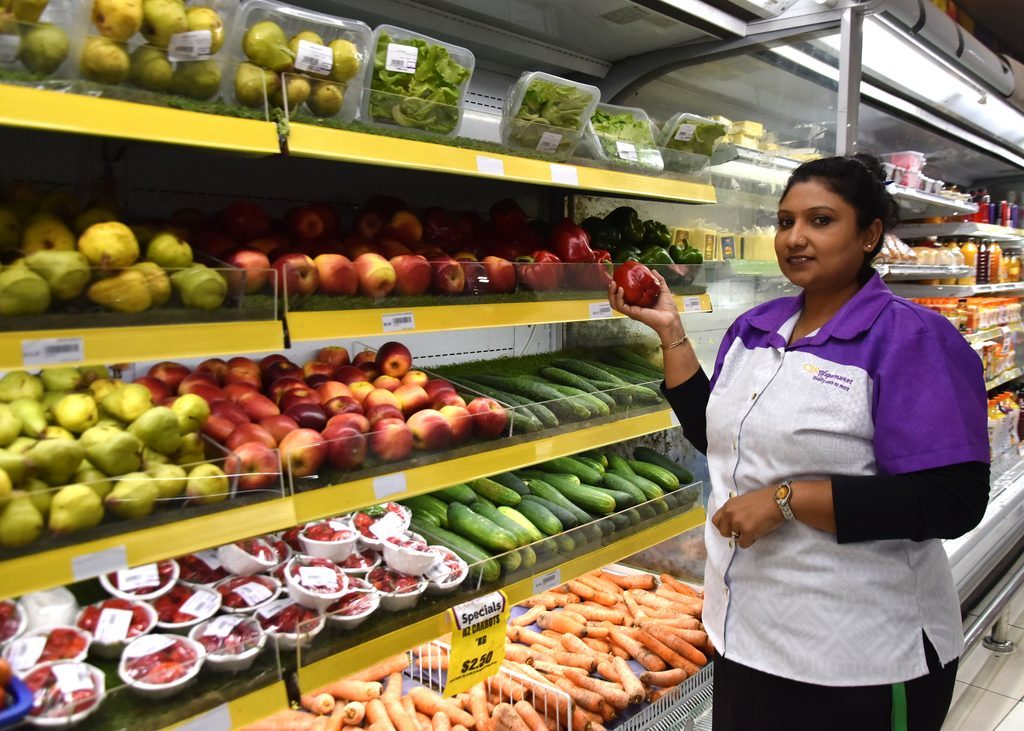
Arun from Dilkusha raised concerns over the high cost of imported fruits and vegetables, pointing to avocados at $36 per kilogram, capsicums at $24.99/kg, raspberries at $127.60/kg, mandarins at $25/kg, tomatoes at $29/kg, broccoli at $31/kg and celery at $8.99/kg. She said similar produce was cheaper in Australia and New Zealand, citing celery at 79 cents a head and zucchini at 69 cents a kilogram. She believes supermarkets need to negotiate better deals with suppliers and lower their profit margins to make these products more affordable. Red onions and red cabbages have also become unaffordable.
Most families are cutting back, changing their shopping habits and finding new ways to cope with increases. Against this backdrop, all eyes are on the 2026–2027 National Budget, delivered in Parliament today.
There is hope that it will provide some relief at a time when household finances are under significant strain.
The Government has indicated the budget will focus on easing the cost of living, support businesses and economic stability, maintain critical public services and ensure fiscal discipline while introducing reforms for growth. The budget, we hope will bring relief to the low to mid income earners.
This as we continues to face economic pressures from rising fuel prices, increasing public debt, inflation concerns and uncertainty in the global economy. Prime Minister Sitiveni Rabuka says concerns raised during the recent State of the Fijian Economy Dialogue were considered as the Government finalised the budget, although details remain confidential until the official announcement today.
For ordinary citizens like Kata, the biggest hope is simple that the budget will bring lower prices for goods and services to allow him to spend less when buying food and paying for services.
However, he was quick to acknowledge that immediate reductions may not be realistic given the wider economic challenges.
Vili shares a more sceptical view, saying it is difficult to expect positive change when leaders do not feel the hardships faced by the grassroots people as they earn high salaries.
He said parliamentarians were paid by poor taxpayers funds and drove in posh vehicles without paying anything.
These opinions reflect the expectations and frustrations of many families.
However, it’s still important to understand that a national budget is much more than a list of taxes, spending plans and government announcements.
It is one of the Government’s most important tools for managing the economy and responding to the needs of its people. It certainly determines how much money is collected and where it will be spent.
The choices made influence almost every aspect of daily life, from healthcare and education to roads, infrastructure, social welfare, agriculture, job creation and support for businesses. A good budget must strike a careful balance.
It needs to provide relief for families struggling today while also managing government debt and investing in Fiji’s long-term development.
This balance is especially important for Fiji as a small island nation vulnerable to global fuel and food price shocks, climate-related disasters and changes in key sectors such as tourism.
The budget must therefore not only address the challenges of today but also prepare the country for the uncertainties of tomorrow.
As Fijians listen to today’s budget announcement, the question on many peole’s minds is simple: Will it make life a little easier for ordinary families feeling the pinch of the war and the rising costs of fuel and food?
Everyone wants to spend less to make life more manageable in these challenging economic times.
Let’s wait and see what our Government has to offer us!

