
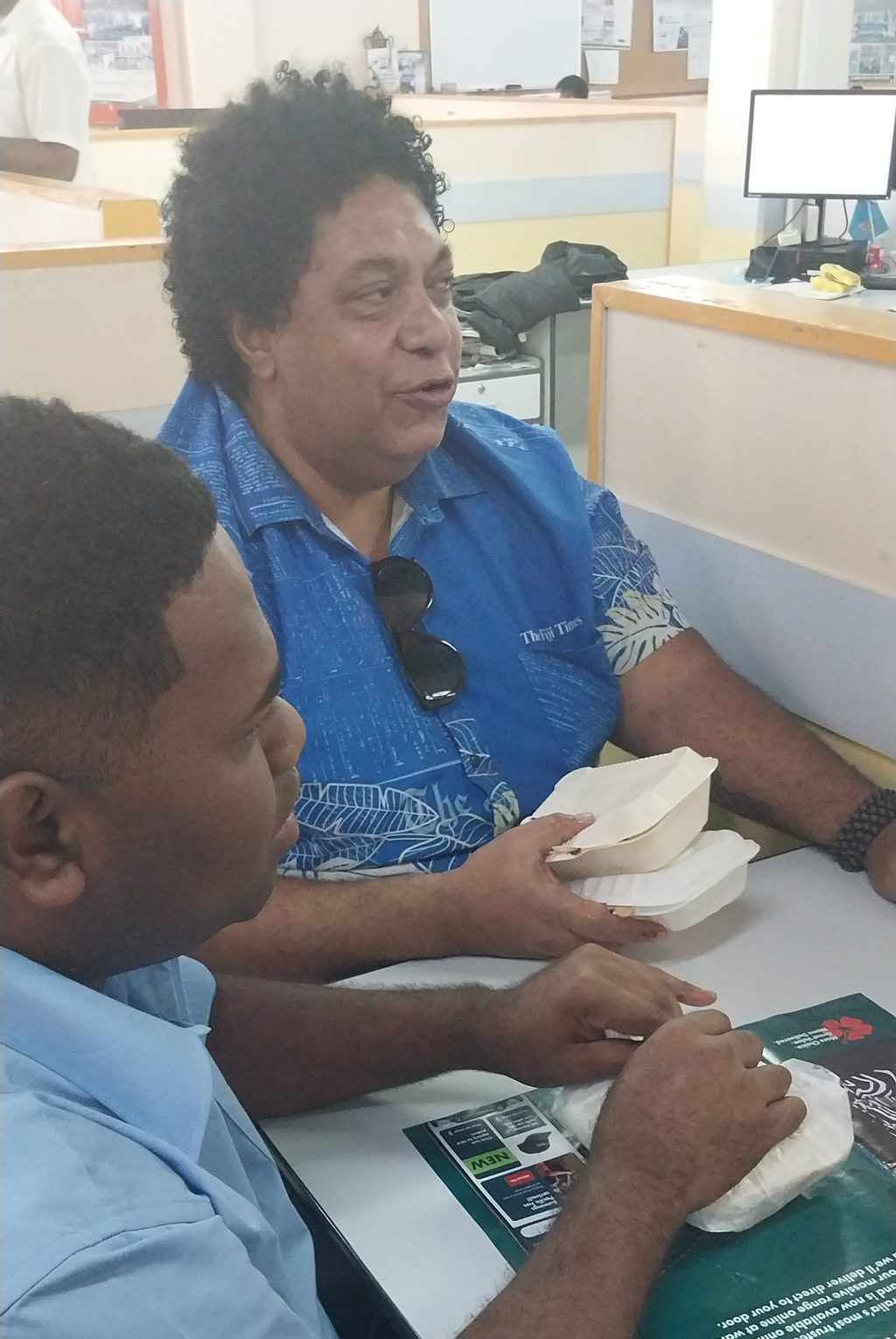
Bula Vinaka shoppers, This week, the reality of rising costs arrived in food parcels and takeaway packs at our workplace. When colleagues headed out to buy breakfast from Aunty and lunch from Mere, they discovered both vendors had increased their prices.
Aunty arrives each morning with parcels of liver roti, giblet, chicken curry, fried eggs and vegetable fillings, along with her popular spicy rice and curry meals.
For years, her roti parcels have been a reliable $2 breakfast option. They now cost $3, while her rice and curry meals have increased from $7 to $8. Then came lunch. Mere’s daily menu includes lamb rourou, curry chicken and rice, roast chicken drumsticks, coleslaw and plenty of kakana dina.
Meals that once cost $8.50 now sell for $10. The reaction was predictable. Over the past three months, fuel prices have increased dramatically. Diesel has risen by 76 cents a litre since May to $4.58 a litre.
Motor spirit has increased by 80 cents to $3.93 a litre. The price of a 12kg gas cylinder has climbed by almost $9, while kerosene prices have also risen significantly. A few customers grumbled. Some said they would start bringing food from home. Others vowed they would no longer buy lunch from either vendor. But experience suggests that by next week, most people will have adjusted and the queues will be back.
The uncomfortable truth is that Aunty and Mere are facing the same pressures as everyone else. Gas, kerosene, fuel, food and transport all costs more today. Every increase adds to the cost of preparing meals and getting them to their customers.
Eventually, those higher costs find their way to shoppers. That brings us to the political debate now dominating discussions about fuel prices. Government MP Alitia Bainivalu has challenged Opposition MP Ketan Lal over his repeated calls for fuel taxes to be removed.
She argued that anyone can call for tax cuts, but they must also explain how the lost revenue would be replaced. If government collects less revenue, it will have to either reduce spending, increase borrowing or find another source of income. So, what gets cut? Health services? Infrastructure projects?
Agricultural support programs? Social welfare benefits? Education? Or does Fiji simply borrow more money and leave future taxpayers to foot the bill?
These are fair questions. Fuel taxes help fund many of the public services people rely on every day. Removing them may provide immediate relief at the service stations, but it would create a hole in government coffers.
The Coalition Government argues that responsible leadership requires balancing cost-of-living pressures against the need to maintain essential services. The Opposition sees things differently. MP Premila Kumar argues that government has failed to provide meaningful relief while households struggle.
Her point is equally straightforward. Fuel is not just another commodity. It affects almost every part of the economy. When fuel prices rise, transport costs increase.
Freight becomes more expensive. Businesses face higher operating costs. Food prices rise. Families end up paying more for just about everything.
Kumar argues that government also benefits from higher fuel prices because VAT collections increase as prices rise. The more consumers pay, the more tax revenue government receives. Around the world, some governments have chosen to intervene. Australia temporarily reduced fuel excise during a previous cost-of-living squeeze and provided free buses for commuters.
Malaysia continues to use subsidies to cushion consumers from international oil price volatility. The Opposition believes Fiji should consider similar measures.
Government disagrees, and that is where the debate sits. Fuel prices are hurting families. Everyone agrees.
The disagreement is over who should carry the burden. Should government sacrifice revenue to provide immediate relief? Or should it preserve revenue to fund public services while weathering the global fuel shock?
Meanwhile, back on Butt St, Aunty and Mere have already made their decision. They cannot absorb higher costs, so they have passed them on to their customers.
Neither can supermarkets, transport operators or most businesses. Every increase in fuel costs works its way through the economy until it lands on somebody’s plate or in somebody’s wallet.
For now, breakfast and lunch costs more than it did last week.
And whether the answer comes from the government, the Opposition or global oil markets, ordinary consumers are waiting for relief.
The challenge for any responsible government is finding ways to share the burden rather than leaving households and businesses to shoulder the full weight of rising costs.
Let’s wait and see what the 2026-2027 National Budget will bring.
PM Sitiveni Rabuka has warned it will be a realistic budget as difficult decisions lie ahead!

