
Bula vinaka shoppers, Global tensions and shipping disruptions are now affecting something many people rarely think about, which is fertiliser for our crops.
While households in small scale farming use compost to improve soil quality, fertiliser is one of the most important elements of growing food for mass production. So problems in supply will eventually lead to higher food prices all around the world.
Modern farming depends heavily on fertilisers such as nitrogen, phosphate and potash to help crops grow faster to meet market demands locally and overseas for exports. These fertilisers are made using large amounts of natural gas and are shipped to farming communities in countries around the world.
Experts warn that when energy prices rise or shipping routes are disrupted, fertiliser becomes more expensive for everyone.
Farmers may then use less fertiliser or delay planting crops, which can reduce harvests and eventually push up food prices as there is reduced supply and high demand in the markets.
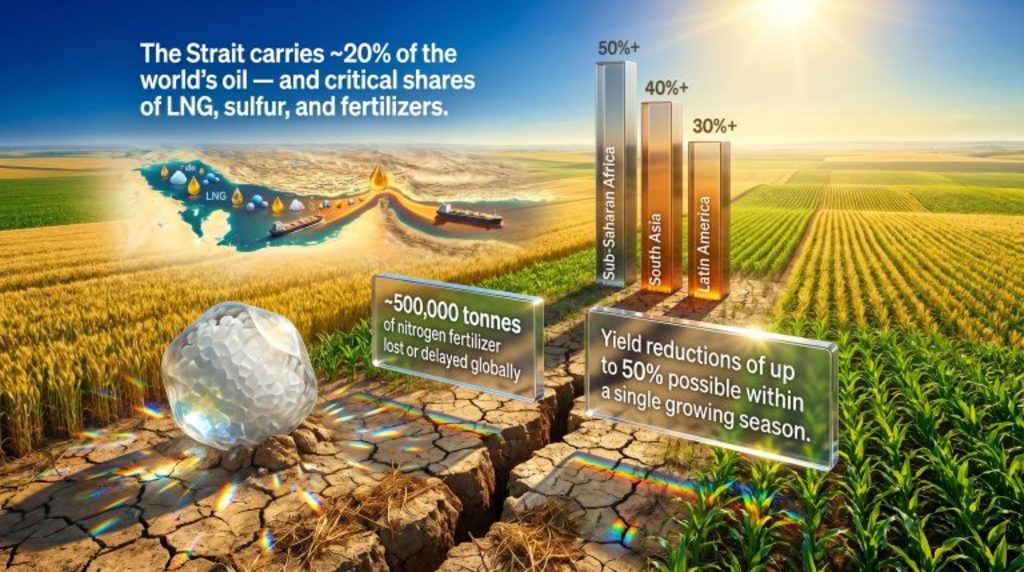
One major concern is the Strait of Hormuz, a narrow shipping route in the Middle East that is important not only for oil, but also for natural gas, ammonia and fertiliser products used worldwide.
Any disruption there affects global supply chains for farmers everywhere else.
According to global fertiliser company Yara International, around 500,000 tonnes of nitrogen fertiliser production has already been affected because of disruptions from the war.
The company warns this could reduce crop yields significantly if the situation continues, which is highly likely as we watch the news from our living rooms.
The United Nations Food and Agriculture Organisation has also warned that farming seasons cannot simply be delayed.
But if fertiliser does not arrive on time for the planting seasons, farmers will miss the best growing window, leading to lower food production. For Fiji and other Pacific countries that rely on imported food and farming supplies, global disruptions like these will increase the cost of vegetables, and other food items, we are buying from the supermarkets.
Experts say the situation shows how closely connected global politics, shipping, energy and food security are.
So, what is Fiji doing?
Fiji is facing growing concerns over a possible fertiliser shortage. Experts warn this would affect our agriculture sector, especially farmers, that rely on fertilisers.
In a recent opinion piece, economist Dr Sushil Sharma criticised the Coalition Government for what he described as a lack of preparation for this growing crisis.
He says there is no clear contingency plan, supply diversification strategy, or price stabilisation mechanism in place, to help us cushion such increases
Sharma warns that rising freight costs and possible fertiliser shortages could place severe pressure on families already struggling with high costs and heavy loan repayments.
He said reduced access to fertiliser would not only affect future harvests but threatens the livelihoods of families in the country.
He noted that the Persian Gulf supplies a large share of the world’s urea and ammonia exports which are key ingredients used in nitrogen fertilisers.
The Government says Cabinet has endorsed the Fuel, Energy and Fertiliser Crisis Response Plan aimed at protecting Fiji’s agricultural sector, strengthening food security, and supporting farmer livelihoods during ongoing global supply disruptions.
The Plan outlines coordinated measures to strengthen domestic food production, stabilise input costs, and reduce the agriculture sector’s reliance on imported fuel and fertilisers.
Key priority areas include food security and nutrition, energy resilience in agriculture, fertiliser supply stabilisation, transport and logistics support, and targeted reforms within the sugar sector.
Let’s hope as part of broader efforts to improve resilience, productivity and sustainable agricultural development. the measures will help mitigate rising farming costs, support smallholder farmers, stabilise food prices, protect household welfare, sustain rural incomes, and ensure continued access to affordable and nutritious food for Fijians
Spend wisely everyone!

