Foods that are in season may taste better and offer greater nutritional value, and buying them can support local farmers and your community’s economy. Here’s how to find or grow seasonal food.
“Seasonal eating” is a term tossed around frequently: restaurants use it, chefs use it, farmers use it, dietitians use it, it’s a catch-all phrase referring to the practice of eating food when it’s at the peak of freshness.
This article explores seasonal eating in-depth, from what it is to its potential health benefits.
What is seasonal eating?
Each food has a growing cycle. Once a plant reaches its peak growth, or maturity, it’s harvested. Plants harvested for food are typically at their best at this time, offering maximum flavour and nutrition.
If you think about it, it’s not unlike how our ancestors would’ve eaten.
They used the land to grow or forage what they needed, harvested the plants at just the right time, and then enjoyed or preserved what they harvested.
Eating seasonally today is more than just about flavour and nutrition. It’s also about sustainability and doing what’s best to conserve and preserve our natural resources.
How do you find seasonal foods?
The best way to find seasonal foods in your area is to make a trip to the local farmers’ market. Peruse the stalls and talk with the people who grow the food. Ask them what’s ready to eat now and what’s coming soon.
If you frequent the market often, you’ll notice how the produce changes. One month, there may be a bounty of rhubarb, and then the next, a plethora of berries. Remember, these foods all have varying times when they’re at their peak.
Farmers aren’t grocers; they only sell what they grow and harvest.
That’s what makes the markets such insightful places to learn about the seasonality of food.
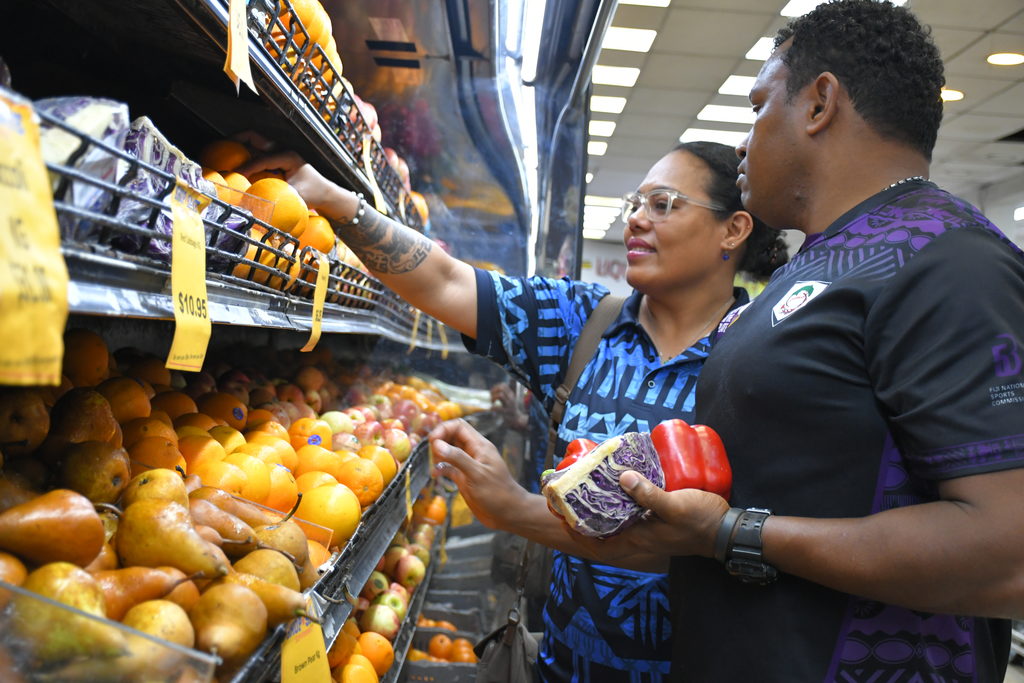
If you don’t have access to a farmers’ market, head to a nearby grocery store. While in-season produce might not be clearly labelled, you can still identify it most of the time.
In-season produce is typically abundant and often on sale at the grocery store. Because of the high volume, the store needs to move the food quickly to the consumer before it’s past its prime.
Also, check for in-store signage about sourcing, as grocery stores often feature local farmers and growers.
How do you know when food is in-season?
Because climates and soils vary throughout the country the plants that grow here vary, too. There are many handy resources that can help you find what’s in-season in your area.
Understanding natural growing cycles
Each food has a specific time that it’s best grown and harvested.
Knowing foods’ growing cycles provides insight into best practices for eating seasonally.
Harvest times for these foods will depend on the type of plants, their germination cycles, and how long it takes for the plants to mature.