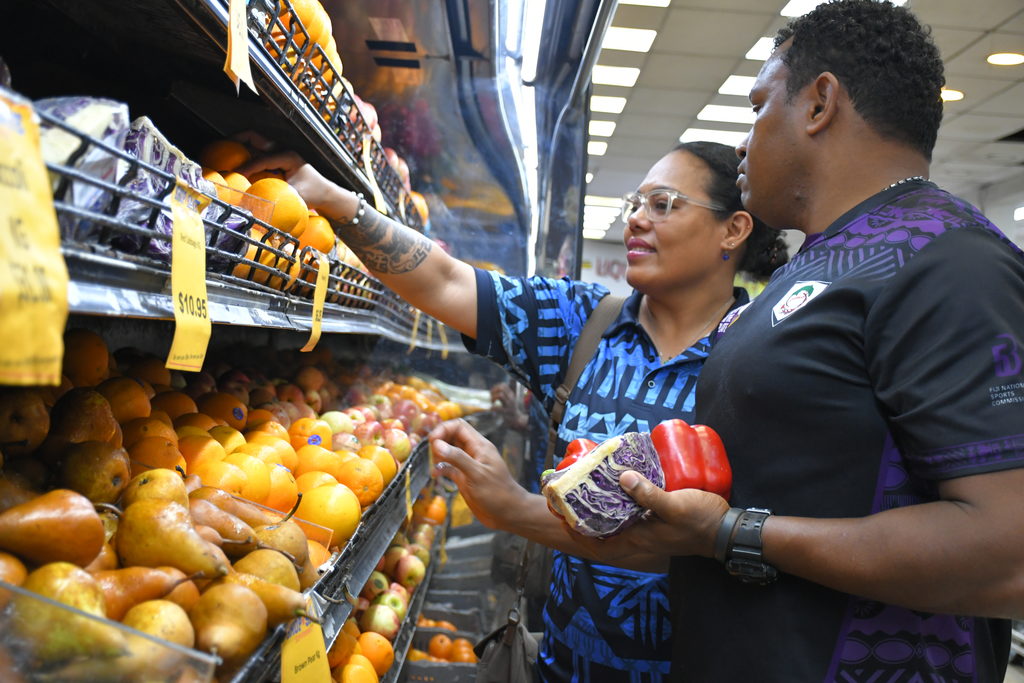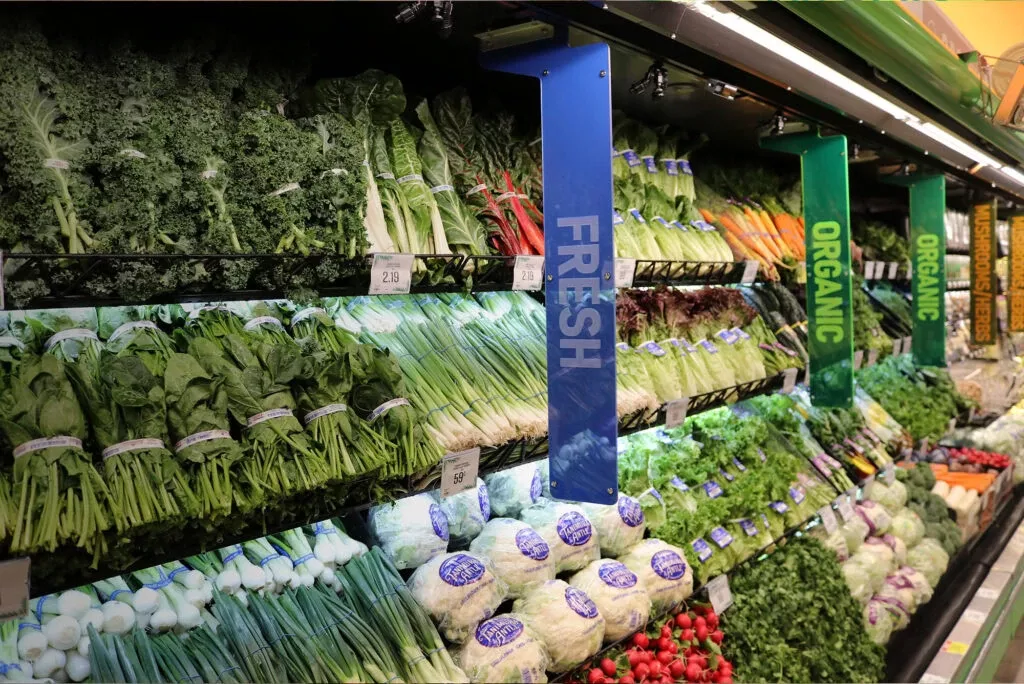
WALK through the fresh produce section of any supermarket, and it quickly becomes clear that consumers are paying closer attention to what they buy than ever before.
Fresh food is no longer judged simply by its appearance or price.
Today’s shoppers expect products that are nutritious, convenient, sustainably produced, and of consistently high quality.
According to theherdsman.com, as lifestyles become busier and health awareness continues to grow, retailers and food producers face increasing pressure to deliver fresh products that meet these evolving expectations.
Understanding what matters most to shoppers is essential for businesses that want to build customer trust and loyalty.
Quality comes first
For most consumers, freshness begins with quality. Whether it’s crisp vegetables, juicy fruit, premium cuts of meat, or freshly caught seafood, shoppers expect products that look and taste as though they have just arrived from the source.
Visual appeal plays a major role in purchasing decisions. Bright colours, firm textures, and products free from bruising or damage immediately create confidence.
However, appearance alone is not enough. Consumers also expect fresh food to deliver on flavour. A product that looks appealing but lacks taste is unlikely to earn repeat purchases.
Maintaining quality throughout the supply chain from farm or producer to supermarket shelf is essential to meeting these expectations.
Nutrition and natural ingredients
Health-conscious consumers are placing greater importance on the nutritional value of the food they purchase.
Fresh products are often chosen because they retain more of their natural vitamins, minerals, and flavour.
At the same time, shoppers are increasingly reading labels and looking for foods that are minimally processed.
Products with fewer artificial preservatives, additives, and unnecessary ingredients are becoming the preferred choice.
Many consumers associate natural, simple ingredients with higher quality and healthier living.
This growing demand is encouraging food producers to focus on preserving freshness naturally while maintaining the nutritional benefits consumers value.
Convenience without compromise
Modern lifestyles leave many people with limited time to prepare meals from scratch. While consumers want healthy and fresh food, they also appreciate convenience.
Ready-to-cook vegetables, pre-cut fruit, meal kits, and fresh ready-made meals have become increasingly popular because they offer a practical solution for busy families and working professionals. These products save time without sacrificing quality or nutrition.
Packaging technology also plays an important role in preserving freshness.
Advances in food packaging help extend shelf life while maintaining taste, texture, and nutritional value often without relying heavily on artificial preservatives.
This allows shoppers to enjoy fresh products with greater confidence and less food waste.
Sustainability shapes purchasing decisions
Environmental responsibility has become an important factor in how consumers choose fresh food. Increasingly, shoppers want to know not only what they are buying but also how it was produced and packaged.
Many consumers now favour products that use recyclable or biodegradable packaging, minimise plastic waste, and clearly communicate where the food comes from.
Ethical farming practices, responsible sourcing, and transparent supply chains are becoming significant influences on purchasing decisions.
Businesses that embrace sustainable practices are often rewarded with stronger customer trust and greater brand loyalty.
Meeting the Expectations of the Modern Shopper
Fresh food is no longer defined solely by how recently it was harvested or produced.
Today’s consumers expect a complete experience that combines outstanding quality, nutritional value, convenience, and environmental responsibility.
For retailers and food producers, meeting these expectations requires continuous investment in product quality, innovation, and sustainable practices.
Those who consistently deliver fresh, healthy, and responsibly produced food will be better positioned to earn customer confidence and stand out in an increasingly competitive marketplace.
Ultimately, freshness is more than a product attribute it is a promise. When businesses consistently deliver on that promise, shoppers are more likely to return, recommend the brand to others, and remain loyal for years to come.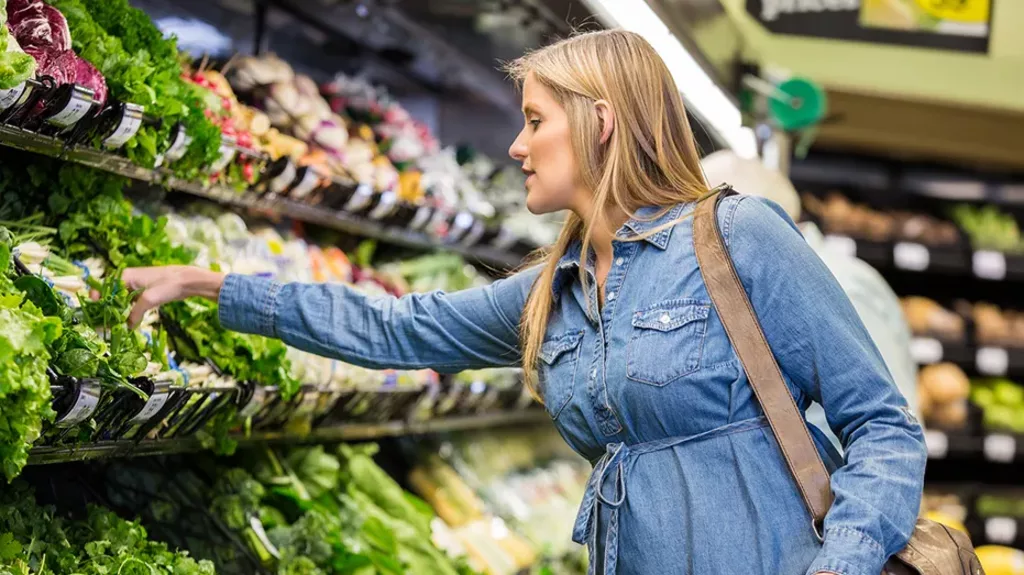
Sustainability and freshness now go hand in hand.