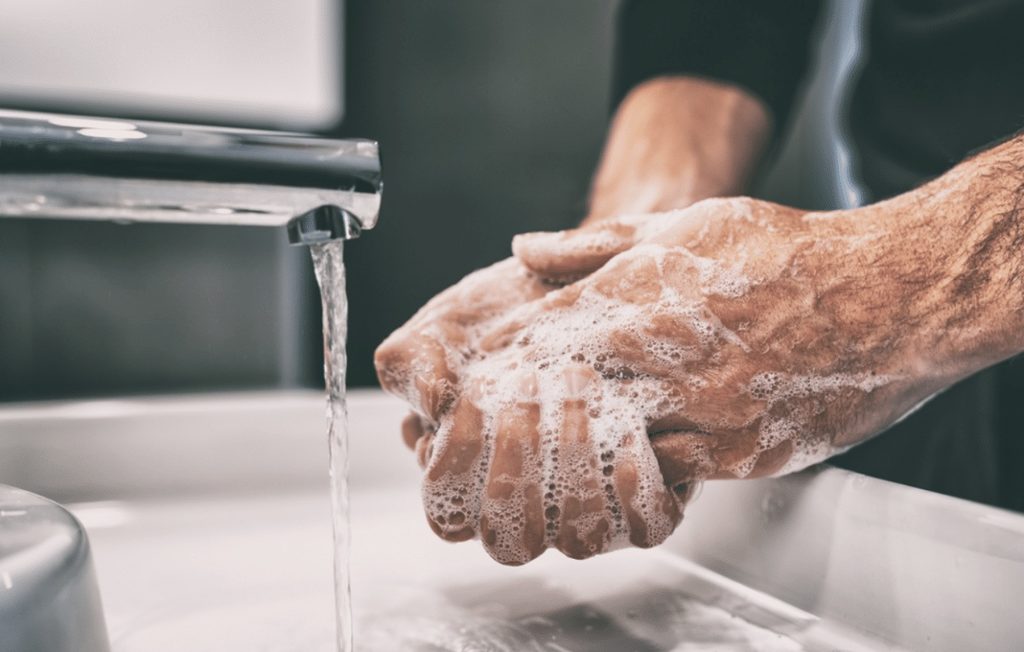
The saying “cleanliness is next to godliness” suggests that being clean is nearly as important as being morally upright. It also implies the significance of maintaining personal hygiene and a clean living environment.
This idea isn’t just about keeping our bodies and homes clean. It also means keeping our hearts and minds clean. This internal cleanliness involves virtues like kindness, honesty, and faith.
Mission of ministry
But for this opinion piece, let us concentrate on external cleanliness and just focus on our schools.
For that we need to know what the mission of the Fiji Ministry of Education is – to empower Fiji’s future by delivering quality, holistic, and inclusive education that nurtures innovative, lifelong learners. It aims to cultivate responsible, independent, and critical thinkers through learning experiences that meet global best practices.
I am sure that cleanliness is an integral part of this – something we diligently practiced when COVID 19 was such an existential threat.
Remember the 30-second handwash? Fiji did such an amazing job in containing it and our tourism industry bounced back so fast – much to the envy of other tourist locations.
But cleanliness seemed to have gone out of the window as soon as COVID 19 was under control. How quickly we forget – even in schools!
The importance of cleanliness
Clean washrooms are essential for preventing the spread of dangerous bacteria and viruses (like E. coli), protecting student health, and reducing illness-related absences.
However, a washroom is often relegated to the lower rungs of the priority ladder, simply because it’s not a space where we spend much time.
The benefits of maintaining tidy washrooms extend far beyond aesthetic appeal. A clean washroom is a testament to your commitment to the wellness of your school and the students that attend that school.
Therefore, don’t let washroom cleaning become an afterthought or a neglected chore, but rather a priority that speaks of your mindfulness towards health and hygiene.
Why it’s essential to keep your bathroom sanitised.
1. Promote hygiene and health
The washroom is a hotspot for germs and bacteria. A regularly disinfected washroom helps prevent the spread of germs and viruses, including E. coli and streptococcus.
By keeping it clean, you can help protect yourself and the students from possible health issues such as infections, diarrhea, and skin diseases.
2. Eliminate unpleasant odors
Washrooms can harbor unpleasant smells if not taken care of regularly.
Foul odors don’t just make the washroom experience unpleasant; they can also spread to other areas of the campus as well. Recurring cleaning helps maintain a fresh scent.
3. Improve mental well-being
Cleanliness and order can reduce stress and increase happiness. A clean washroom can help you start your day off on the right foot. Keeping it sparkling can boost your mental well-being.
4. Extend the lifespan of bathroom fixtures
Minerals from hard water, soap scum, and grime can gradually damage your bathroom fixtures and surfaces, shortening their lifespan.
Regular cleaning up helps maintain the condition of your bathroom fixtures, saving you the cost of premature replacement or repair.
Frequent checks
Just as audits are performed to check for honesty, why can’t washrooms be checked for cleanliness? Many times, there is no toilet paper in the washrooms or the faucets are broken.
One school I went to had broken grungy toilet seats and I wondered how the girls used them.
There should be a checklist to determine if the toilets are fit for daily use.
The management of the schools should visit the Grace Road Kitchen restaurants in their towns to see what a clean washroom looks like.
Action versus words
I remember that during the tenure of the last government, the leader of the Opposition gave a scathing rebuke of the pathetic unhygienic condition of the Nadi Hospital.
The Minister of Health said that a committee was being set up to look into it.
I wrote a letter to the editor of The Fiji Times to say that I could take a 10-minute walk through the hospital and write several pages of corrective actions that can be taken which would greatly improve the sanitation of the hospital and these would just be cosmetic and inexpensive changes. A similar program can be introduced in the schools.
Corporate Social Responsibility (CSR)
Corporate Social Responsibility (CSR) is a self-regulating program where companies integrate social, environmental, and ethical concerns into their operations. It goes beyond profit maximization to create positive impact through environmental efforts.
This would reflect well on the reputation that can, consequently, improve the companies’ bottom line.
The Ministry of Education can approach businesses in person or write to them to explain the urgency for cleanliness in schools. I am sure the business houses company would be willingly to help. Heck, I will even offer to write compelling letters to them (pro bono) on behalf of the MOE.
Jack’s of Fiji takes CSR quite seriously and should be commended for that. They finance the cremation ground at Enamanu in Wailoaloa and also sponsor the “Pinktober” program to create an awareness about cancer.
Conclusion
“Cleanliness is next to Godliness” is more than just a saying; it is a principle reflecting the commitment to physical and spiritual purity. I recall vividly that the koros were kept so neat and tidy.
Nowadays people seem to have no sense of civic responsibility. They throw trash everywhere with scant regard for how it is impacting the environment. That is so shameful and irresponsible.
Maintaining cleanliness in our daily lives, at home, in the schools and in our workplaces, honors God and creates environments conducive to worship, fellowship, and personal growth.
We are called to lead lives that reflect God’s holiness, and cleanliness is an essential aspect of this calling. By embracing both physical and spiritual cleanliness, we can get closer to God.
It is my fervent hope that the Ministry of Education will come up with a plan to implement this important project nationwide so that students can study in a clean surrounding that is essential and conducive to learning. This would go a long way in achieving its mission.
ARVIND MANI is a former teacher who is passionate about quality education. He lived in the US for 35 years and was actively involved in training youths to improve their speaking skills. The views expressed are the author’s and do not necessarily reflect the views of this newspaper. He can be reached at theinspiredteacher9@gmail.com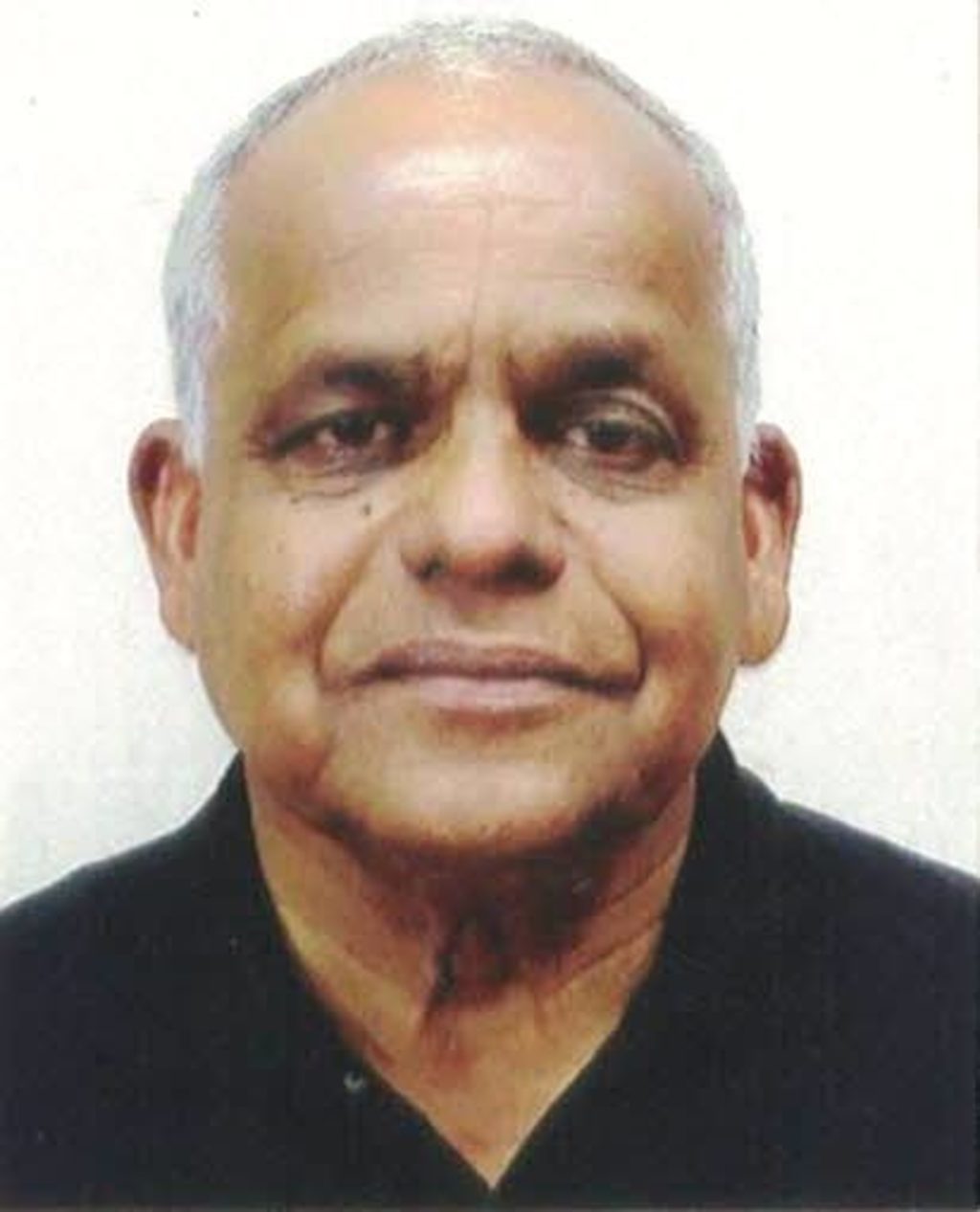
Arvind Mani