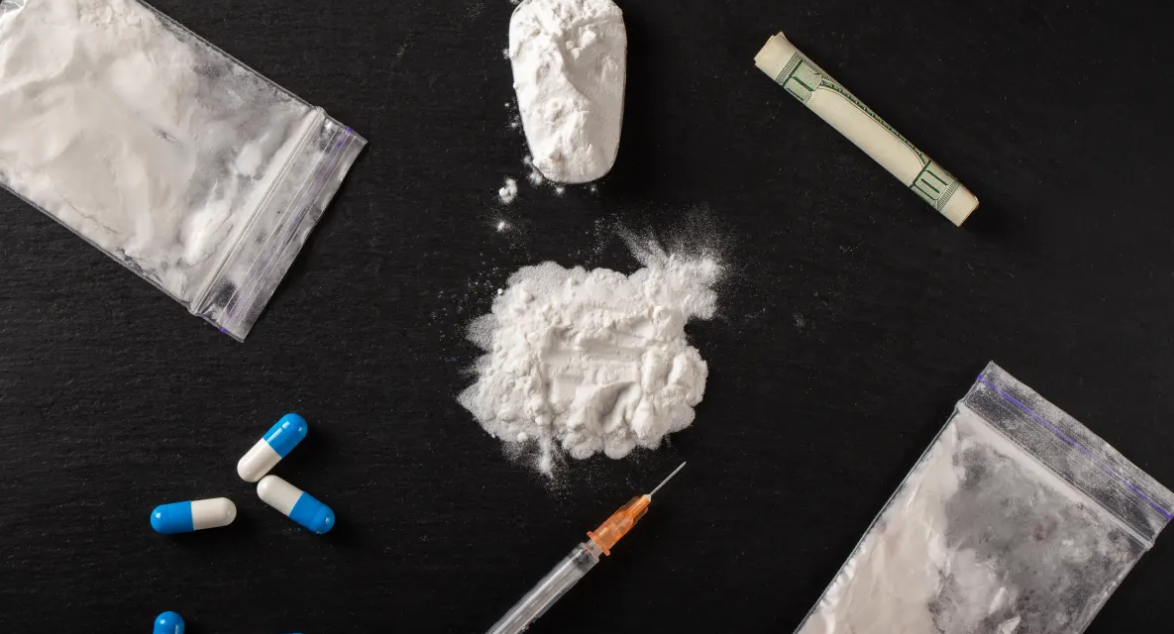
Suva recorded the highest level of methamphetamine consumption among four locations monitored under Fiji’s first Wastewater Drug Monitoring Report, while cocaine was detected only in Nadi, where its consumption exceeded that of methamphetamine.
Minister for Policing and Communications Ioane Naivalurua released the findings today, revealing drug consumption patterns based on the analysis of wastewater flowing through sewer lines at four locations.
Mr Naivalurua said methamphetamine was detected at all four sampling sites, with Suva recording almost five doses per day per 1,000 people.
“Methamphetamine was found in all four sites,” he said.
Suva’s methamphetamine consumption was more than double the level recorded in Nadi.
However, Nadi was the only location where cocaine and MDMA were detected, with cocaine consumption exceeding that of methamphetamine.
MDMA was detected at low levels.
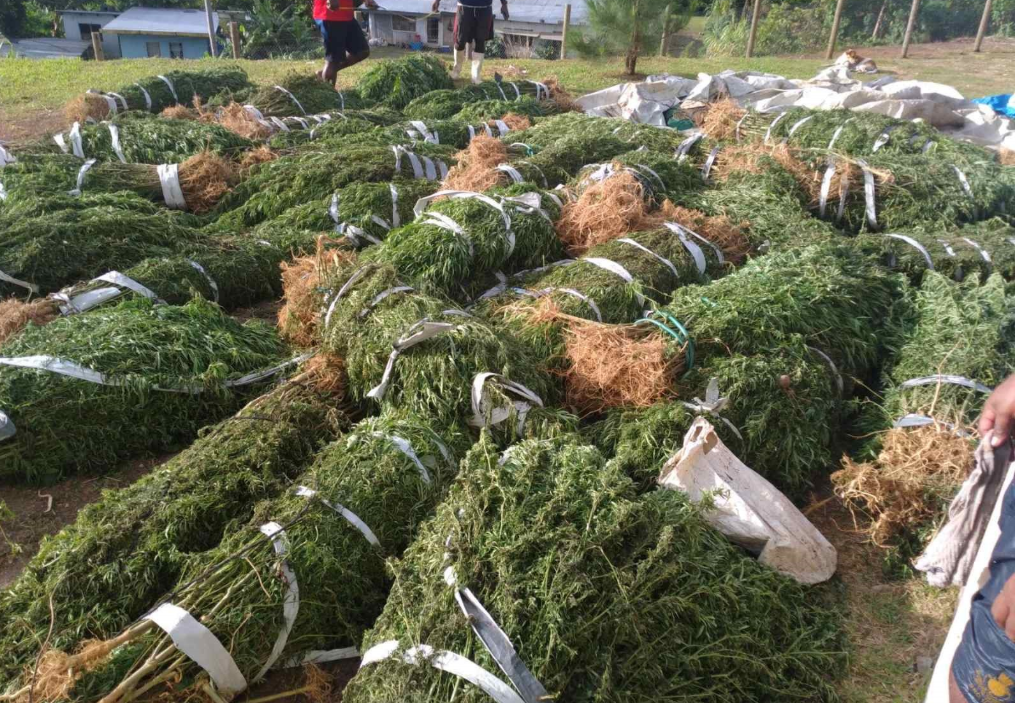
The report also revealed that cannabis remained the most widely consumed illicit drug across the monitored locations.
“Among illicit drugs, cannabis is by far the most used,” Mr Naivalurua said.
Lautoka recorded the highest level of cannabis consumption, estimated to be about 10 times higher than that of methamphetamine at the site.
Nicotine and alcohol remained the most consumed substances at every sampling location.
Meanwhile, the minister welcomed the absence of detectable levels of heroin, fentanyl and ketamine in the initial wastewater analysis.
“Heroin, fentanyl, and ketamine were not detected in this first round of sampling.
“That’s good news for us.”
The report follows the launch of Fiji’s wastewater drug monitoring pilot programme in December 2025, a joint initiative between the Fiji Police Force and the Australian Criminal Intelligence Commission, in partnership with the University of Queensland and the University of the South Pacific.
The programme monitors 12 licit and illicit substances, with wastewater samples collected every three months from selected locations.
The findings are expected to help authorities identify emerging drug threats, track changes in consumption patterns and guide law enforcement and public health interventions.