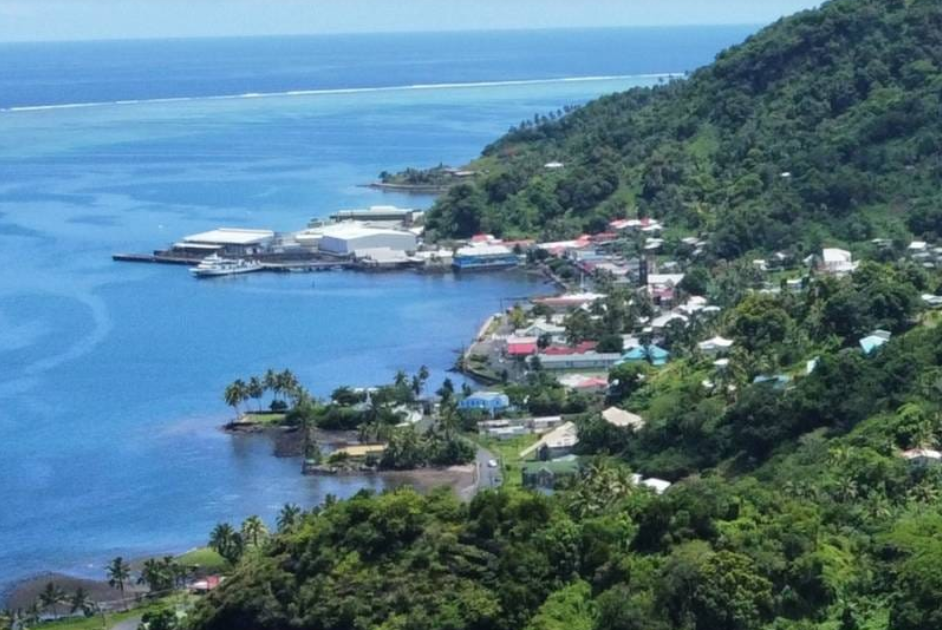
Climate change could cost Fiji’s Ovalau Island as much as US$23.8 billion (approximately FJ$53 billion) by 2100, with new research warning that rising seas and storm surges could threaten more than half of the island’s homes.
Two studies by the University of Melbourne, supported by the Fairground Foundation, have revealed the potential economic, environmental and cultural losses facing the island’s approximately 9,000 residents.
The findings will be presented at two side events at COP31 in Antalya, Türkiye, on Friday, November 13.
Researchers estimate that cumulative losses under a high-emissions scenario could range from US$9.9 billion to US$23.8 billion by 2100, with average annual potential losses estimated at US$321.7 million.
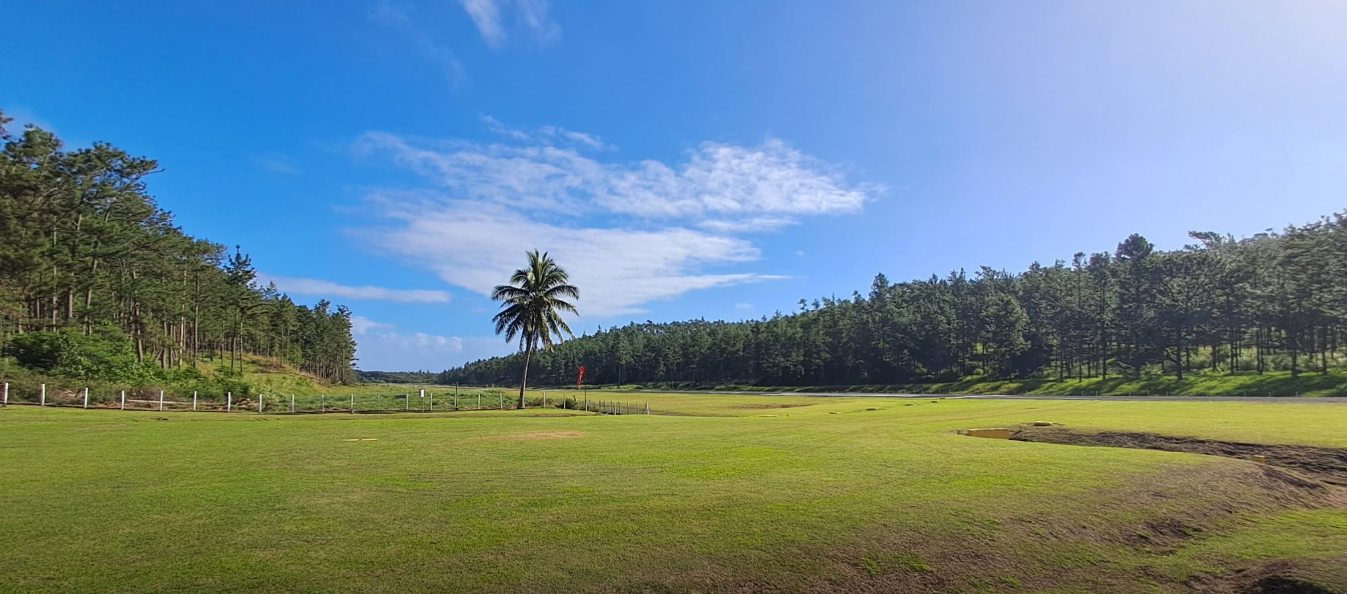
The research warns that sea-level rise and storm surges could affect up to 56 per cent of Ovalau’s homes, along with its hospital, airport and the UNESCO World Heritage-listed town of Levuka.
In six iTaukei villages surveyed, residents reported that harvests, fish catches, water supplies and aspects of cultural life had declined by approximately 40 per cent over the past decade and 60 per cent over the past 20 years.
The losses extend beyond physical infrastructure to traditional food sharing, ceremonial offerings, medicinal knowledge and connections to ancestral land.
University of the South Pacific Associate Professor Dr Rosiana Lagi said the true cost of climate change could not be measured in financial terms alone.
“On Ovalau, what people are losing is not only crops and houses. It is the knowledge, the culture, heritage and the connection to Vanua that make us who we are. Any loss and damage support that ignores these, is only paying for half the loss.”
University of Melbourne researcher Dr Anca Hanea said conventional damage assessments often overlooked the value of natural ecosystems and cultural heritage.
“When we count reefs, mangroves and heritage alongside buildings and roads, the cost to Ovalau rises to as much as USD 23.8 billion. Leave them out and most of the loss disappears from the books.”
The research also found that nearly a quarter of participants had already experienced displacement, largely following Tropical Cyclone Winston.
Two-thirds expected they could be required to relocate within the next decade, while most estimated relocation costs would exceed $30,000.
However, a third of respondents indicated they would refuse to leave their communities even if relocation costs were fully covered.
Environmental Defenders Office Director of Science and Expert Advisory Dr Sharyn Goldstien said the findings could help strengthen climate accountability.
“Evidence of non-economic loss and damage is vital, not only for negotiators at COP31 but in the courts, as communities increasingly turn to the law to hold those responsible for climate harm to account.”
Fiji Environmental Law Association Executive Director Kiji Vukikomoala said the research highlighted the need for stronger legal and policy responses.
“Ultimately the true measure of climate justice is not what is promised at international negotiations but what changes for communities living with the consequences of climate change.”
The researchers are calling for climate financing that recognises cultural losses alongside economic damage, including support for heritage conservation, ecosystem protection and community-led adaptation.