THE road to history was never going to be an easy one for Ra Rugby.
Deep in the interior of Nalawa, beyond the winding roads and steep hills of Namara Village, a group of determined warriors spent almost two months preparing for a mission that many would have considered impossible.
Their destination was not simply the Farebrother-Sullivan trophy. It was a place in Fiji rugby history.
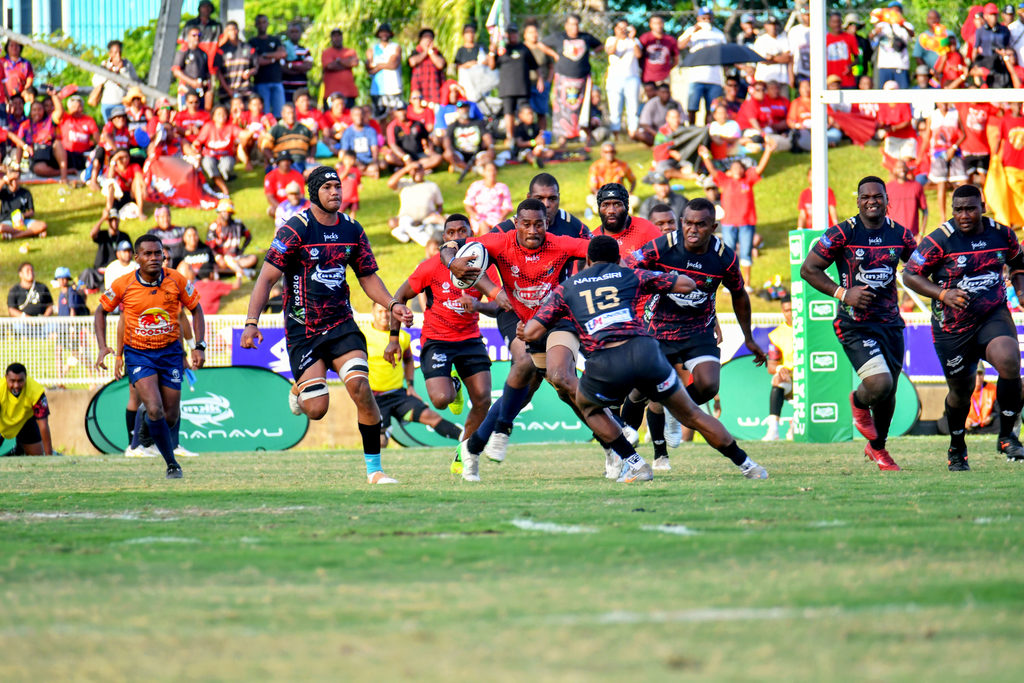
And last Saturday, at HFC Stadium, that mission became reality when Ra stunned defending champions Naitasiri 32-27 in their first-ever Farebrother Challenge.
The victory was more than a rugby result. It was the reward for a remarkable journey by a team that had risen from the Vanua Challenge, won the Vanua Cup and earned the opportunity to challenge for one of Fiji rugby’s most prestigious trophies.
For head coach Sireli Bobo, the foundation of that historic achievement was laid far away from the comforts of an urban training base.
It was built in Namara
Getting to the village itself was a challenge. Almost an hour and a half from Rakiraki Town, the journey involved navigating winding roads, steep climbs and descents through the interior of Ra.
It was a journey fit for warriors, captured in the Ra expression: ‘Na vano qoi na vano ga’.
For the players, however, the difficult journey was only the beginning.
Their home for almost two months was the Namara Village Hall, situated close to the village playground and surrounded by trees, mountains and the natural beauty of the interior.
There were no mobile network connections, no easy access to the internet and no constant phone notifications to interrupt their routine.
What might have been considered an inconvenience elsewhere became one of Ra’s greatest advantages.
There were no social media distractions, no unnecessary noise and no excuses.
There was only rugby, discipline and the mission ahead.
Bobo believed choosing Namara was one of the most important decisions he made in preparing his team for the challenge.
“When we were playing for the Vanua, we had been camping in all villages in Ra. For this Farebrother, when we came to Namara Village, I made my decision that we were sticking here and not moving anywhere.
“I love the no network, no distraction for our preparation,” Bobo said.
It was a decision that allowed his players to concentrate on becoming more than just a rugby team.
A team built from the grassroots
Unlike some provincial teams boasting established stars and former national representatives, Ra’s strength was built around homegrown talent.
Former Swire Shipping Fijian player Peni Matawalu, from Dama, Nakorotubu, was among the experienced figures in the side.
But the backbone of the team was made up of players from Ra, many nurtured under Bobo’s development programme.
For the coach, the Farebrother triumph was also a personal victory for grassroots rugby.
“This team, I focus on development. Ninety-nine per cent of my team are Ra players, grassroots players, and that’s my aim, to develop these players,” he said.
It was a philosophy that went beyond winning trophies.
Bobo wanted to give young men from the villages an opportunity to prove themselves at the highest level of provincial rugby.
Last Saturday, they repaid that belief on the field.
Faith behind the fight
While physical conditioning and tactical preparation were important, the Ra camp had another dimension.
Faith was central to their journey.
Every afternoon after training, players would return to shower and change into their church clothes before gathering for team lotu.
For almost two weeks, the team also committed to fasting as they continued praying and seeking divine intervention ahead of their historic assignment.
Their preparation was not only about strengthening their bodies but also their minds and spirits.
The daily routine created an environment of togetherness, humility and shared purpose.
Nature’s recovery room
The team also found an unexpected advantage in the natural surroundings of Namara.
While many teams preparing in urban centres rely on refrigerated ice for recovery sessions, Ra had nature on its doorstep.
A nearby waterfall provided the players with cold water for their recovery sessions.
The mountain environment, fresh air and naturally chilled water became part of their recovery programme.
It was a simple setting, but one that served the purpose.
The women behind the warriors
Away from the training field, another group played an important role in keeping the team going.
The kitchen crew, made up of women who provided breakfast, lunch and dinner, ensured the players were well catered for throughout their stay.
Their service was nothing short of VIP treatment, with buffet-style meals prepared to keep the players fuelled for the demanding training programme.
However, even the kitchen had to adjust to Bobo’s winning formula.
Following a warm-up match against the Republic of Fiji Military Forces team, the coach noticed that some of his players were carrying a little extra weight.
He returned to camp with a message for the kitchen crew: reduce the cassava.
The response from the women was immediate and somewhat reluctant.
“Why? They should eat a lot because they are training hard,” they questioned.
But Bobo knew that preparing for the Farebrother required more than simply feeding hungry players.
Every detail mattered, including nutrition and conditioning.
It was another example of how the entire village community became part of Ra’s campaign.
A promise that became reality
Bobo’s confidence in his team was evident well before the historic challenge.
About a month before the match, he informed his players that they would be returning to camp for another three weeks.
The announcement surprised the players.
“Why?” they asked.
His response was simple and direct.
“Because we will bring the Farebrother Cup home in the first challenge.”
It was a bold declaration from the Nawairuku, Nalawa man.
But Bobo had a vision, and he wanted his players to believe in it as much as he did.
Last Saturday, that vision became reality.
The team that had spent almost two months away from the distractions of modern life, trained in the mountains, prayed together and relied on the support of their people had delivered one of the biggest upsets in Fiji rugby.
Now, the warriors of Ra face another demanding assignment.
Their next challenge is against their tauvu from Nadroga this Saturday.
The mountain journey has produced history, but Bobo and his men know their work is far from over.
For Ra, the message is clear: the Farebrother Cup may have been won on the field, but its foundation was built in Namara.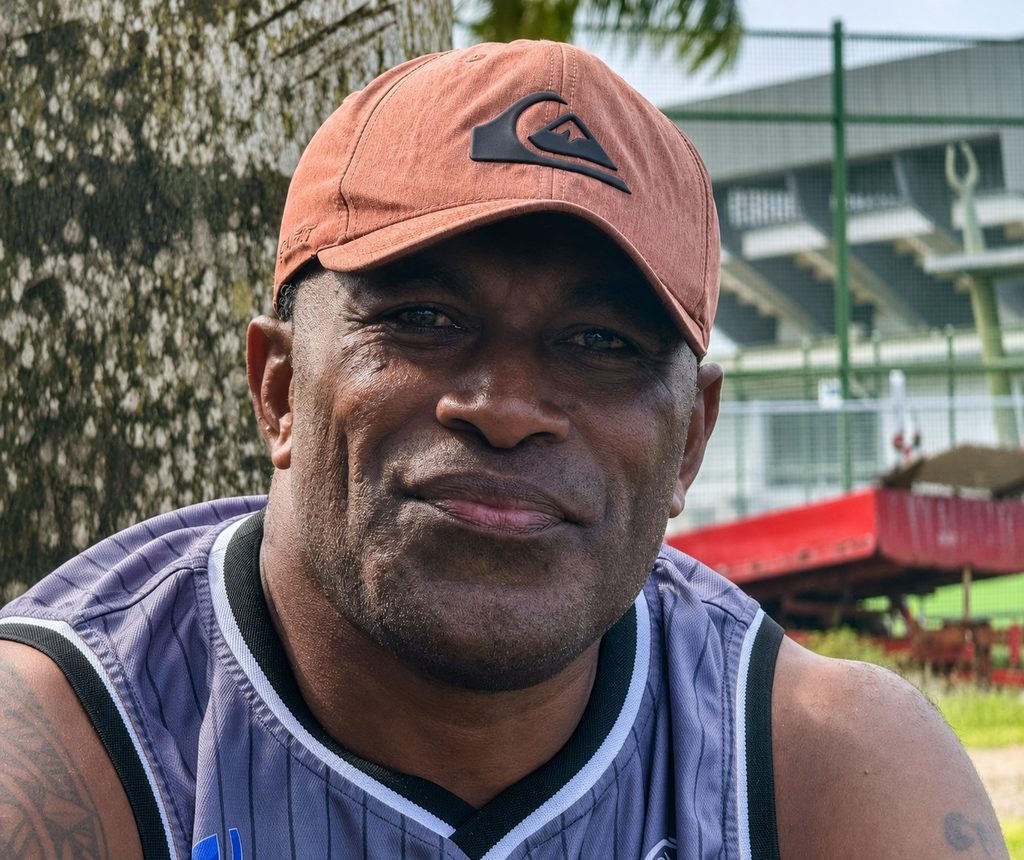
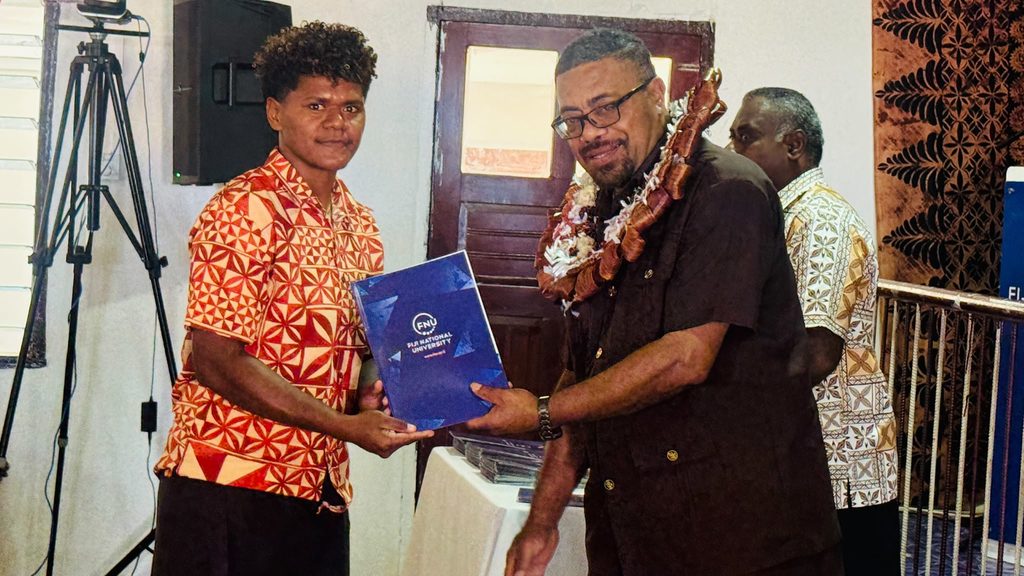
Bobo. Picture: FILE/LITIA RITOVA