
Nearly two decades on, Fiji Fashion Week has been the beating heart of the country’s creative industry and at its centre stands Ellen Whippy-Knight, a woman whose life is as structured as it is vibrant.
Widely regarded as a “fashion dynamo”, Whippy-Knight’s influence stretches far beyond the runway.
As managing director and co-founder of the event, she has helped shape what is now a growing Pacific fashion ecosystem.
Yet, behind the glamour lies a routine built on discipline, sport and relentless work.
“My whole life is immersed in Fiji Fashion Week,” she said.
It is not simply a show, she explained, but a platform that provides training, exposure and commercial opportunities for local designers.
Even outside the fashion calendar, her days remain packed.
Mornings begin with a ritual she insisted sets the tone: making her bed.
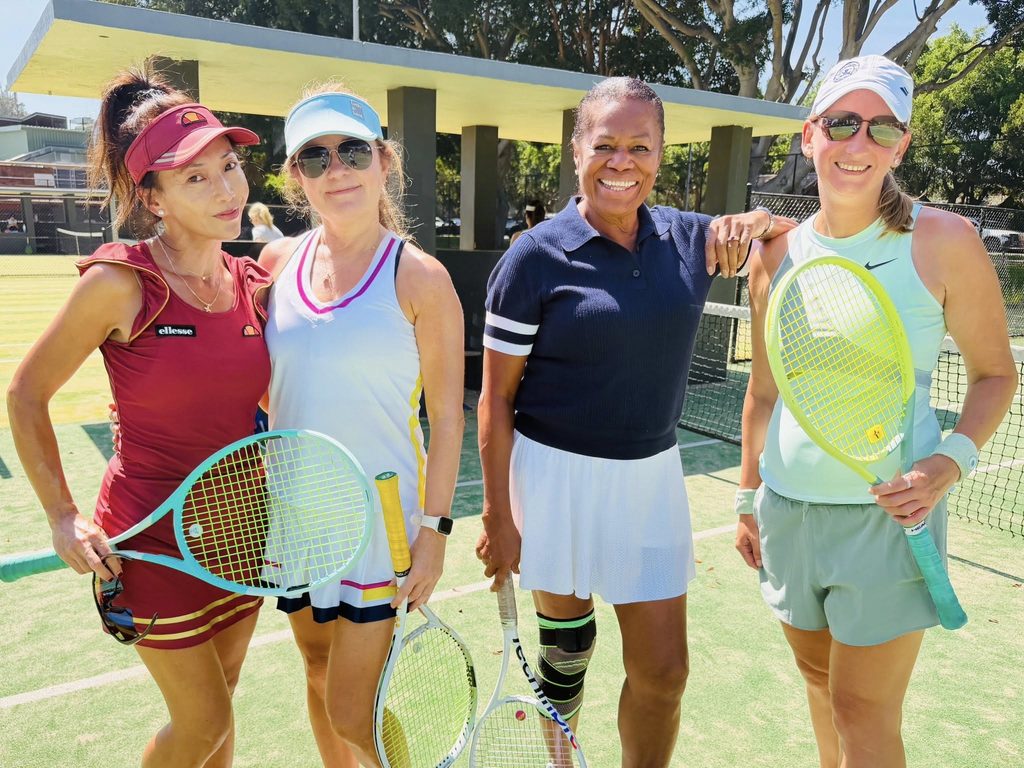
From there, it is straight to the gym, followed by tennis which she plays almost daily, whether in Fiji or Sydney.
A former national sprint champion, she still carries the mindset of an athlete.
“I’ve always been very sporty,” she said.
“That discipline has stayed with me.”
Work then takes over, often stretching late into the night as she balances international networking, event planning and mentorship.
It is a fast paced life she not only accepted but thrived on.
Roots in Suva
Whippy-Knight credited her upbringing in Suva for shaping both her personal style and work ethic.
The daughter of pioneering Fiji Times journalist Stan Whippy-Ritova, she grew up in a household where discipline and awareness of the world were non-negotiable.
“Every morning we had to line up, uniforms checked, shoes polished, nails clean,” she recalled.
“And we were told to read the newspaper every day.”
That habit, she said, still informed how she ran Fiji Fashion Week from day one.
Global economic shifts, rising costs and political events all influenced how audiences engaged with fashion and how events must adapt.
“If people can’t afford tickets because of rising costs, that affects how we plan,” she said.
“You have to understand the world to understand your audience.”
A legacy of style
Fashion, however, began at home.
Her mother, Senimelia Niumataiwalu of Bau, was an accomplished seamstress who made clothes for the entire family.
Watching her create elegant gowns left a lasting impression.
That influence was later reinforced by Adi Lady Lala Mara, the late Roko Tui Dreketi and wife of Fiji’s first Prime Minister Ratu Sir Kamisese Mara, who once remarked that Whippy-Knight’s mother was among the most “stylish women” in Suva.
“I started to look at her very differently after that,” she said.
By the age of 10, Whippy-Knight was sewing her own garments, experimenting with unconventional materials like furnishing fabric to create distinctive textures.
Today, her aesthetic sense remains firmly rooted in simplicity.
“I believe in what Coco Chanel said that ‘simplicity is elegant’,” she said.
Her wardrobe reflects that philosophy, clean lines, classic cuts and understated sophistication.
Redefining luxury
In an industry often associated with excess, Whippy-Knight offered a more grounded interpretation of luxury.
In fashion, she defined it as quality, breathable, organic fabrics, precise tailoring and locally made designs.
In life, however, she was more cautious.
“Luxury for some families is simply having food on the table,” she said.
“It depends on your circumstances.”
While she acknowledged the privileges she enjoyed, including property investments that helped fund her work, she remained mindful of the broader Fijian context.
Building an industry
Since its inception in 2008, Fiji Fashion Week has played a pivotal role in developing local talent.
What began as a fledgling initiative has grown into a regional force, influencing similar events across the Pacific.
Whippy-Knight recalled early collaborations that helped establish fashion weeks in Samoa, Solomon Islands and Papua New Guinea, though only the latter has endured due to the high costs involved.
Still, the impact is undeniable.
“We now have about 30 designers with their own stores or online platforms,” she said.
“That’s something we didn’t have before.”
Through workshops, mentorship and international exposure, designers, many without formal training, have built viable businesses and distinct identities.
“We can now say we have a local fashion industry,” she added.
Trends and transformation
For Whippy-Knight, fashion was never just about aesthetics.
Trends, she explained, were shaped years in advance and influenced by global events.
She pointed to history as evidence, how wartime necessity led women to adopt trousers, later popularised by designers such as Yves Saint Laurent.
Today, similar forces continue to shape the industry.
Colours, fabrics and silhouettes respond to political climates, economic uncertainty and cultural shifts.
“Fashion reflects what’s happening in the world,” she said.
A life in motion
If there was one thing Whippy-Knight does not do, it is slowing down.
When asked how she unwound, she paused to think.
“I don’t know if I actually ever unwind,” she finally said.
Instead, relaxation came in the form of social gatherings, cooking for friends, attending theatre and engaging with ideas, always learning, always moving.
For her, life has been less about balance and more about momentum.
And as Fiji Fashion Week continues to evolve, so too does the woman behind it.
Next Week Whippy-Knight sheds light on Fiji Fashion Week, the upcoming 70th Hibiscus Festival, and rich family history.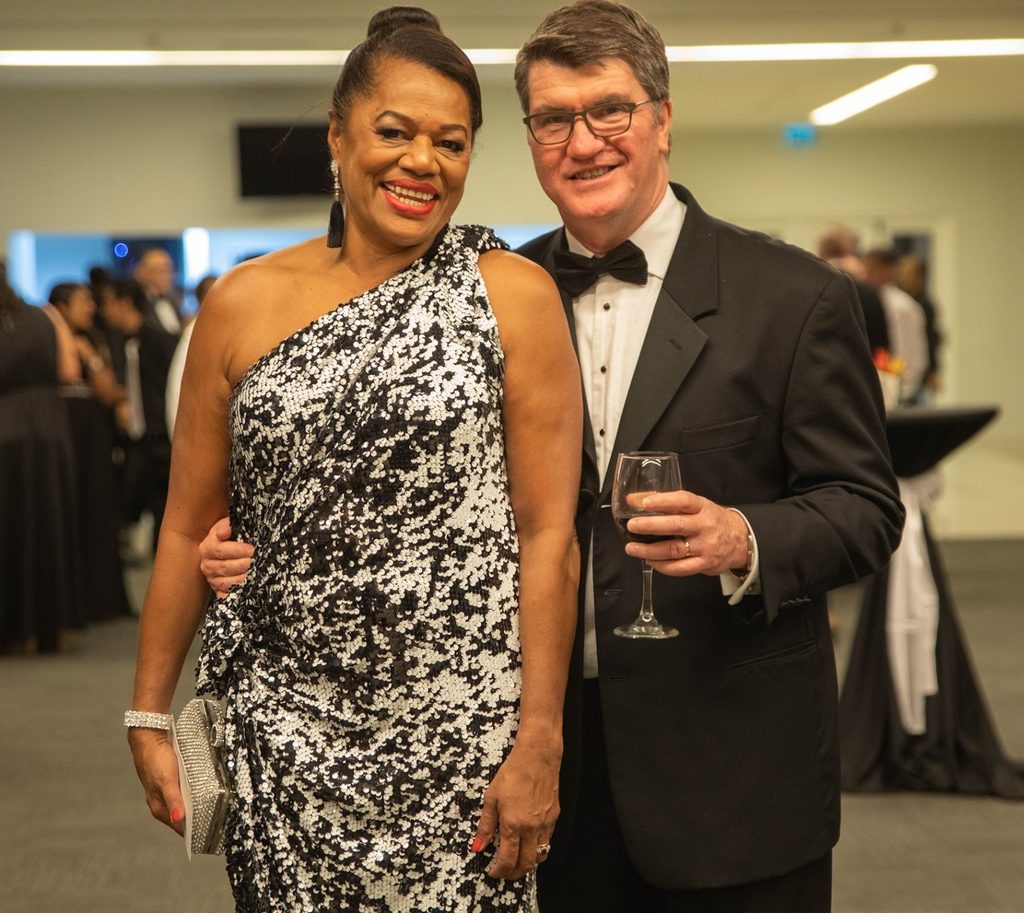
Ellen and her husband, Mark, who is among her biggest supporters.
Picture: SUPPLIED
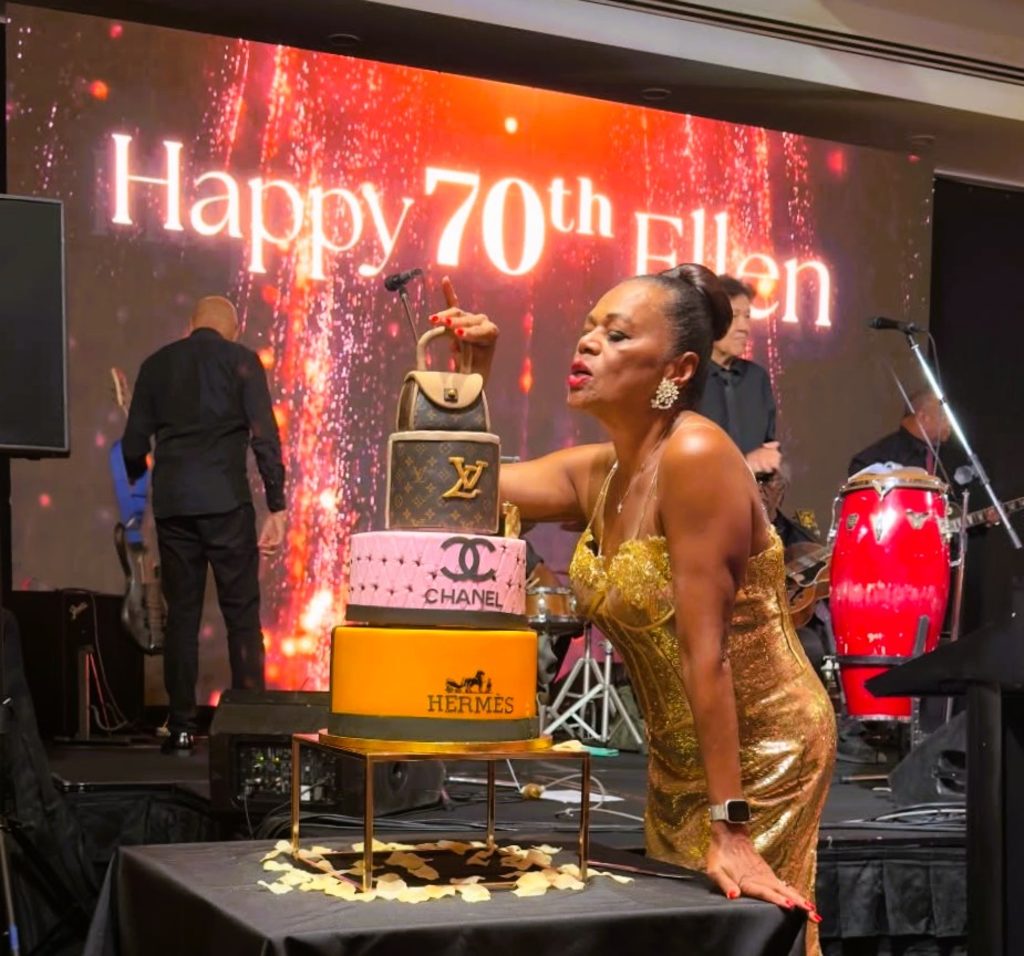
Ellen Whippy-Knight marks her 70th birthday with the same elegance, energy and enduring passion that have defined her remarkable journey. Picture: SUPPLIED

