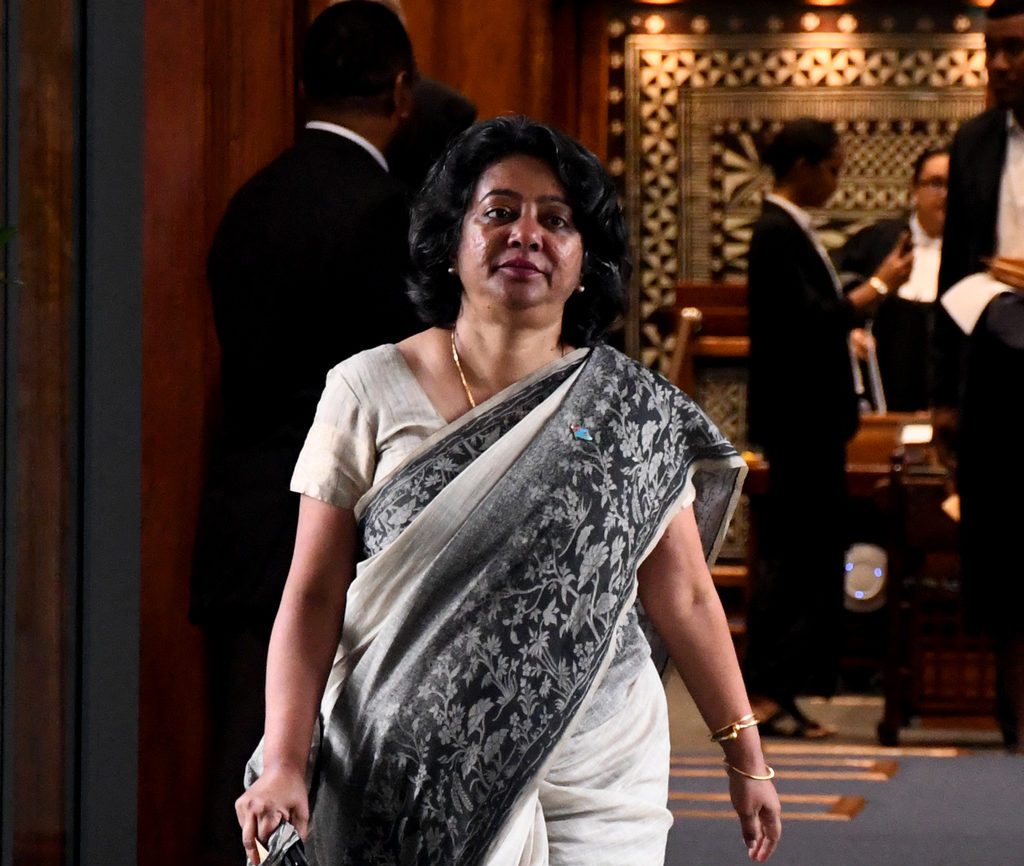
Minister for Women, Children and Social Protection Sashi Kiran has called on the media to help women across Fiji understand technology-facilitated gender-based violence (TFGBV) and know where to seek protection.
Ms Kiran made the call during a media conference at Naibati House in Suva on Wednesday attended by media organisations, government liaison officers and communications professionals.
She said aspiring women candidates had been brought together for a discussion on women’s political participation and TFGBV.
The session helped women understand the forms of abuse they could encounter online and introduced practical tools to protect their digital spaces.
“Awareness cannot remain within the rooms where yesterday’s conversation happened. The media could take this information much further,” Ms Kiran said.
“Through your outlets we are hoping that you can help women across Fiji understand what technology-facilitated gender-based violence looks like, where they can seek assistance, and what tools are available.”
Ms Kiran said the candidates were also introduced to FACE Forward by Areta Labs.
She said the free, nonpartisan initiative provided women and gender-diverse candidates, elected officials and social media teams with real-time protection from technology-facilitated violence.
TFGBV includes abuse, harassment or control carried out through social media, messaging applications and email.
This can include sexualised insults, disinformation and smear campaigns, doxing, location tracking, image-based abuse and coordinated network attacks.
“Women across Fiji must know that online abuse does not have to be accepted as the price of participating in public life,” Ms Kiran said.
“We can’t continue to tell our women to grow a thick skin when they step forward to serve.”
Ms Kiran said women should not have to accept attacks on their families, online bullying or humiliation because they had chosen to serve their communities.
With five women currently in Parliament, she said stronger pathways for protection were needed to encourage more women to participate in the 2026 election.
“A safer digital environment does not mean a flatter democracy,” she said.
“We can still question, in a respectful manner. A safer digital environment means creating an environment where people can debate, disagree, and hold leaders accountable without threats, sexualised abuse or intimidation.”