All government ministries and departments have been directed to activate their business continuity plans amid growing concerns over water shortages, employee safety and potential disruptions to essential government services.
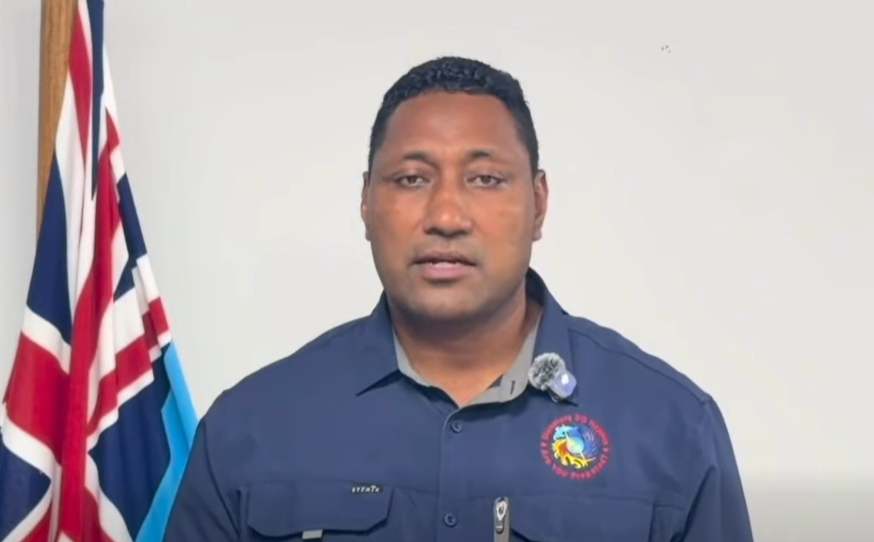
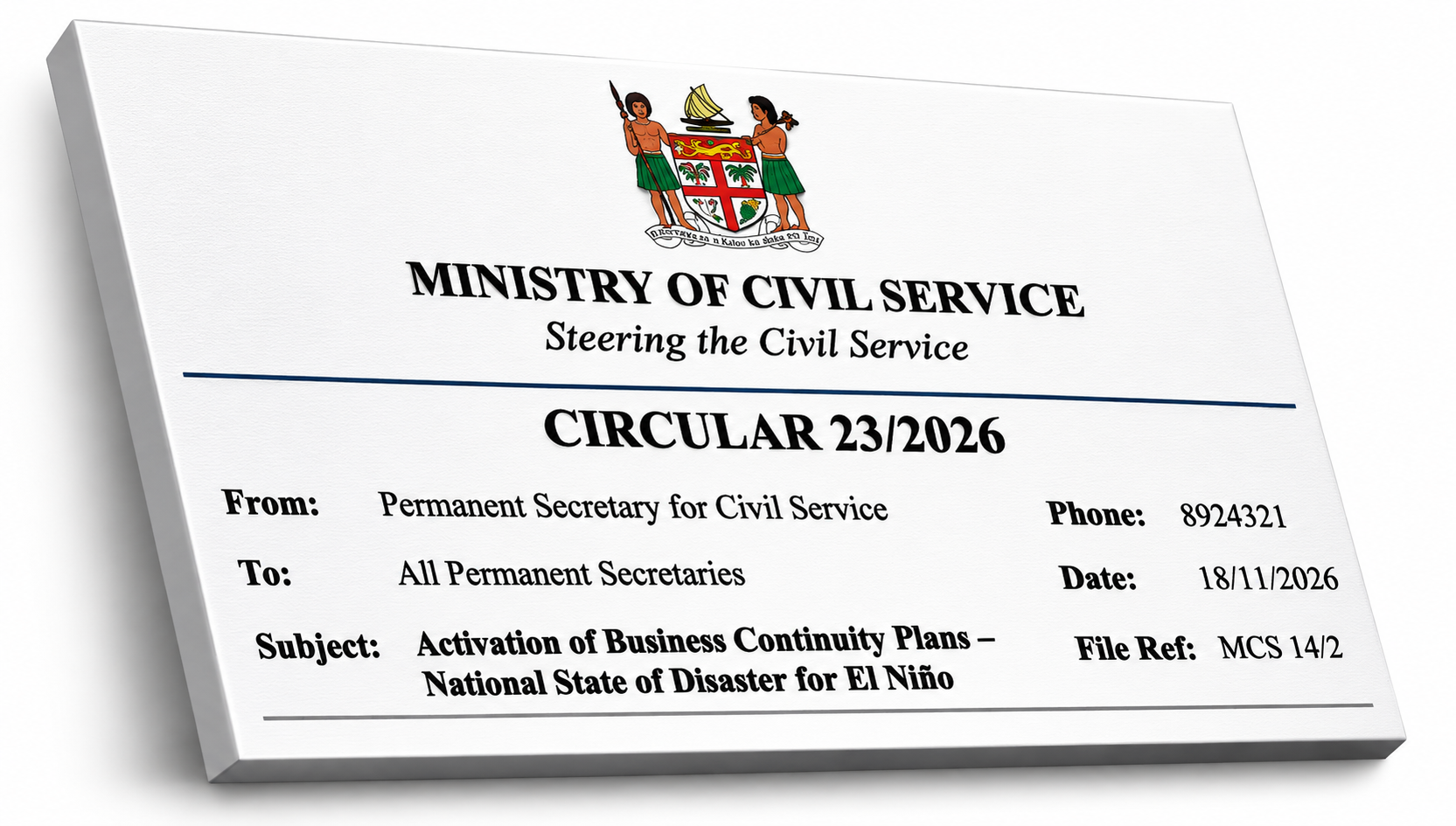
In Circular 23/2026, dated November 18, Permanent Secretary for Civil Service Pita Tagicakirewa instructed all permanent secretaries and heads of departments to review, activate and, where necessary, strengthen their business continuity arrangements following the declaration of a 30-day National State of Disaster for El Niño.
“The current conditions are placing increasing pressure on water supply, essential services and Government operations,” Mr Tagicakirewa said.
“These pressures are occurring alongside the 2026–2027 cyclone season and other national priorities, increasing the potential for disruption to the delivery of Government services.”
Government ministries and departments have been directed to assess whether workplaces have adequate water for drinking, sanitation and hygiene and make appropriate arrangements where supplies are unreliable or disrupted.
“Where a workplace cannot operate safely, alternative work locations or working arrangements should be considered.”
Permanent secretaries and heads of departments have also been instructed to identify potential staffing constraints and establish contingency arrangements.
These may include alternative working arrangements, temporary reassignment or redeployment of staff to maintain critical services or support areas experiencing increased demand.
The circular outlines seven priority areas:
- Continuity of critical services;
- Water and workplace readiness;
- Workforce availability and deployment;
- Transport and access;
- Staff safety and wellbeing;
- Concurrent emergency preparedness; and
- Coordination and reporting.
Ministries have also been directed to consider the impact of fuel, transport and logistical constraints on employees’ ability to reach workplaces and the delivery of government services, particularly in rural and maritime areas.
Mr Tagicakirewa said decisions on attendance, deployment and working arrangements must take into account employee health, safety and wellbeing.
“Consideration should be given to individual staff circumstances that may affect their safety, wellbeing or ability to attend work during the emergency.”
Ministries and departments must also ensure their continuity arrangements remain sufficiently flexible to respond to a cyclone or another emergency occurring during the El Niño response.
This includes preparing for further disruptions to water, electricity, transport and government facilities.
The Ministry of Civil Service will monitor significant workforce and business continuity issues across the civil service, provide guidance where required and facilitate the escalation of matters requiring a whole-of-government response.
Permanent secretaries and heads of departments must ensure their arrangements remain responsive to changing conditions and further directions issued through the national disaster management system.
“The overarching priority is to safeguard the continuity of critical Government services while protecting the health, safety and wellbeing of Civil Service employees throughout the duration of the State of Disaster,” Mr Tagicakirewa said.