FIJI’S growing inactivity among children and adults is adding to the country’s non-communicable disease burden, with obesity and increasing screen time limiting physical movement.
Food and Nutrition lecturer at the University of the South Pacific, Dr Poonam Singh, said physical activity was being restricted by obesity, sedentary lifestyles and reduced participation in school activities.
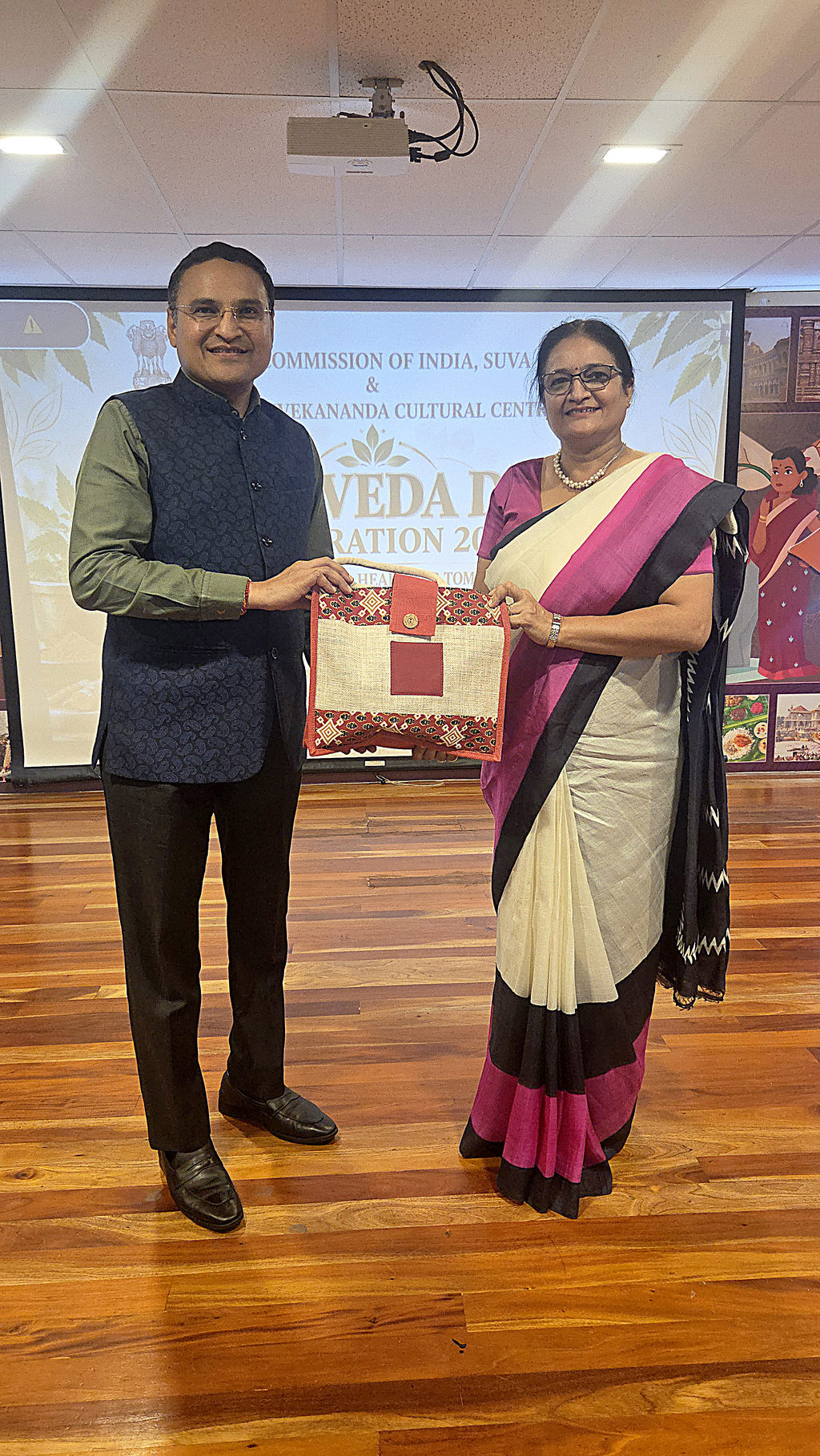
“Obesity is number one which is increasing in our children and people,” Dr Singh said at the Ayurveda Day 2026 event at the Swami Vivekananda Cultural Centre in Suva on Wednesday.
“So, due to this, the movement or mobility becomes difficult.”
She said people were increasingly spending time indoors using electronic devices.
“In schools, previously, physical education courses were run by the teachers and they were forcing students to take part in the activity.”
However, she said changes in rules and regulations meant students could not be forced to participate.
“Willingly, some of them only allow or come to take in sports activities and other activities like swimming etcetera.”
Dr Singh said this was contributing to NCDs and limitations on physical activity.
She urged people to incorporate physical activity into their daily lives, while warning that obesity itself could make movement and mobility more difficult.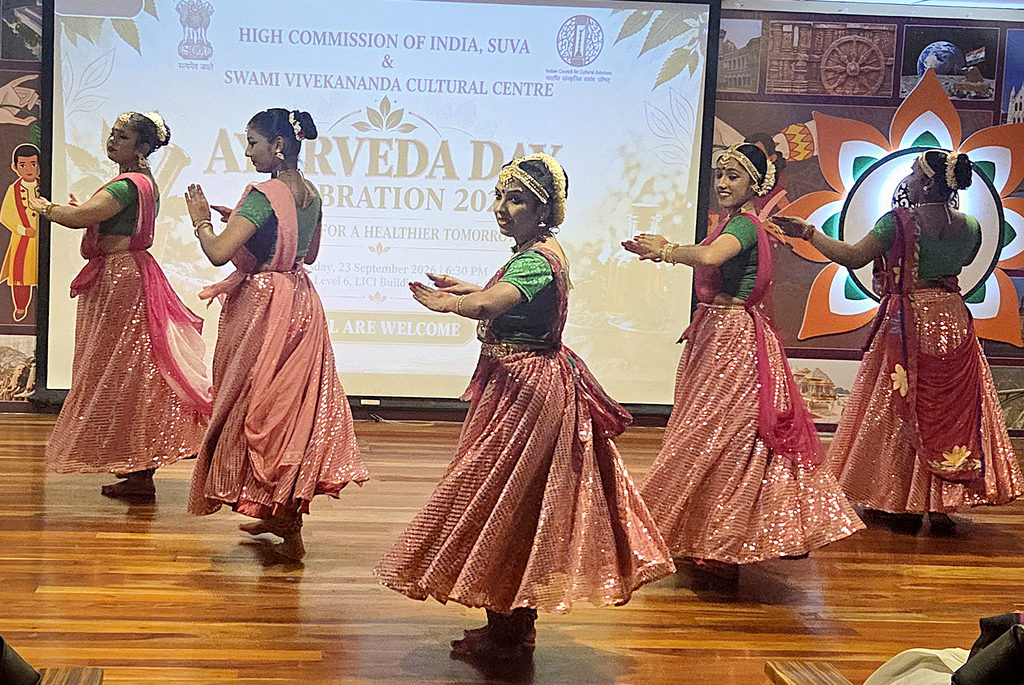
Kathak students of Swami Vivekananda Cultural Centre perform a traditional Indian dance during the Ayureveda Day celebration. Picture: RAKESH KUMAR