
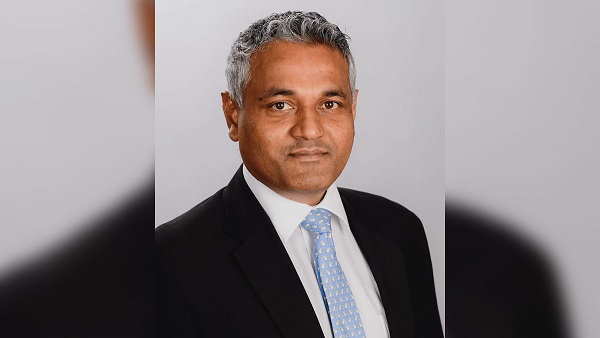
Fiji’s local infrastructure can comfortably handle a breach of the one-million-visitor mark without sacrificing high tourism yields or overloading services, according to ANZ Group senior Pacific Economist Dr Kishti Sen.
Allaying concerns that pushing for record visitor headcounts would place too much pressure on local properties and infrastructure, he said the country was already gearing up for much larger targets.
“Fiji won’t be ‘busting at the seams’ if it accommodated one million visitors in a calendar year,” Dr Sen told this newspaper in an e-mail interview yesterday, noting Fiji’s tourism industry had averaged 966,348 annual visitors from 2023 to 2025.
“In fact, Fiji’s aspirational near-term target is to welcome 1.25 million visitors by 2027 and two to three million arrivals by 2034.
“And we don’t need to lift occupancy all the way up to 100 per cent and sacrifice on yields to those magical milestones,” he said.
Instead, he said maintaining occupancy around 80 per cent would preserve yields, reduce staff stress, and allow for property maintenance.
“I’m banking on more rooms coming online from new developments to comfortably accommodate Fiji’s aspirational visitor benchmarks.”
He added major local infrastructure upgrades were already underway and or soon to be, including planned expansions by Fiji Airports at Nadi International Airport to handle higher passenger throughput.
However, Dr Sen warned of stiffening global competition for Fiji’s core market of young families.
Outbound travel from Australia and New Zealand to ‘value-for-money destinations’ like Bali, Vietnam, and Thailand has surged by double digits, causing Fiji’s Kiwi arrivals to drop by 11.8 per cent this April, he said.
To counteract this, Dr Sen suggested policy interventions, viewing potential government costs like a repeat of the $FJ150 holiday stipend and a 50 per cent departure tax cut as a “glass half full” scenario.
“Fiji heavily promotes itself as a family friendly and safe destination.
“That is our core market and I would like some consolidation and preferably more growth in this segment.”
He emphasised that the upfront costs would be easily offset by the massive influx of consolidated government revenue generated by higher visitor spending.

