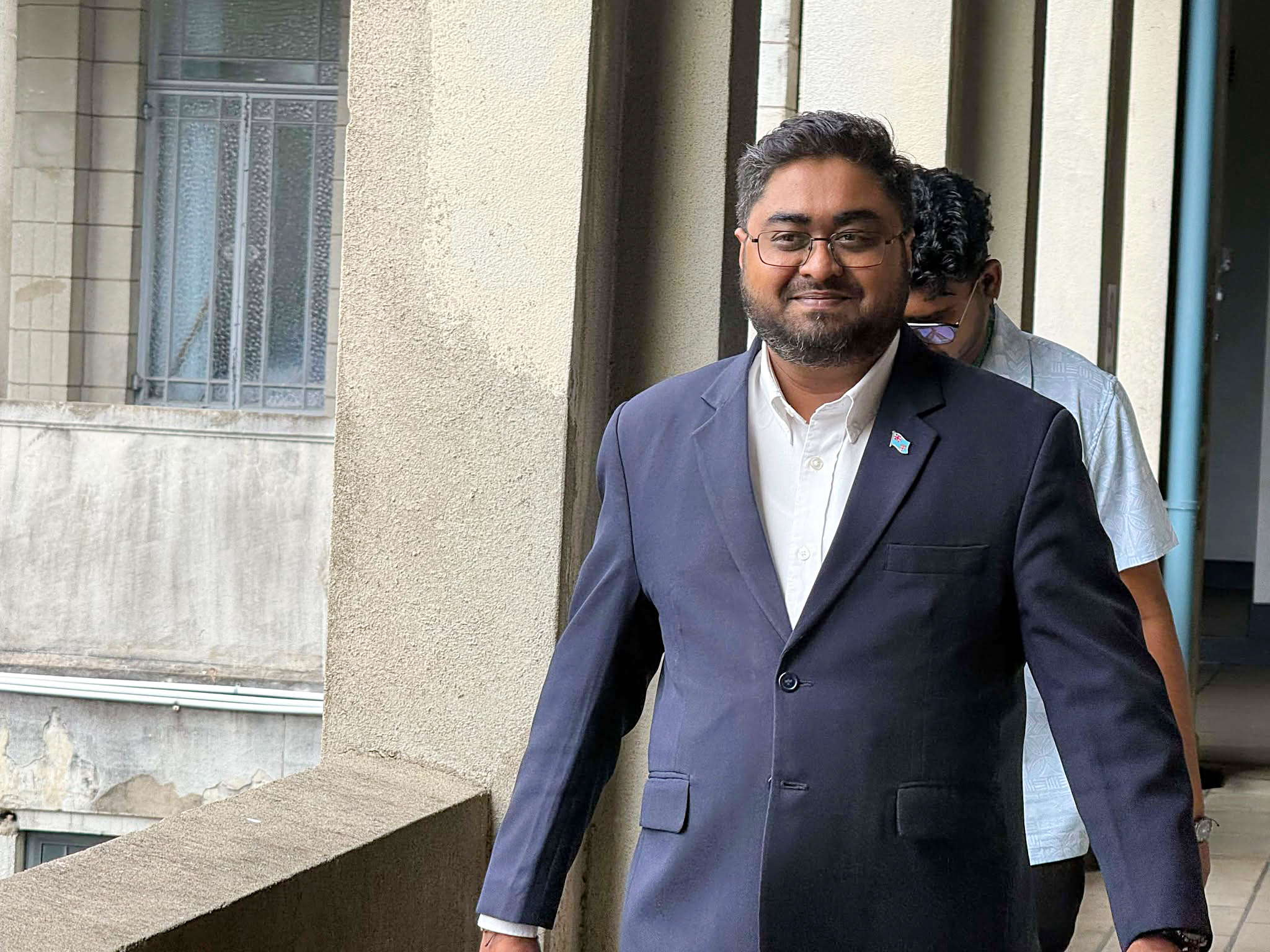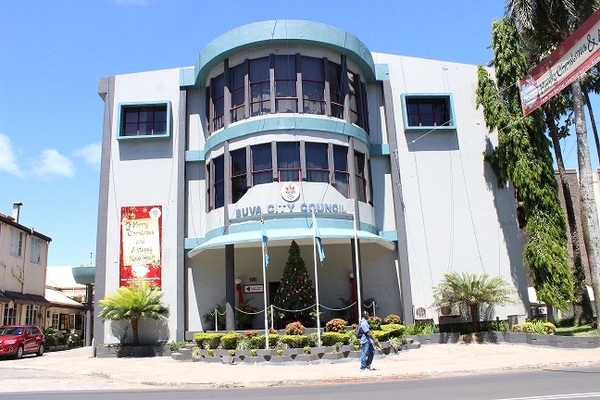
Newly provided data to Parliament this week reveals that within five months of being appointed the acting chief executive officer of the Nasinu Town Council, Felix Magnus, has earned $110,288 while his counterpart at the Suva City Council, Tevita Boseiwaqa, has been paid $98,610.
Both were appointed on July 4, 2024 and these amounts are as of November 2024 when presented in Parliament by Minister for Local Government, Maciu Nalusima.
Figures provided by the minister show that Mr Magnus, who was paid a salary of $90,750, received $19,538 in allowances taking his total income to $110,288 which was higher than the acting CEO of the Suva City Council.
In the capital, Mr Boseiwaqa received a salary of $92,305 and allowances of $6,305 which totalled $98,610 between July andNovember. The Tavua Town Council paid an allowance of $409 to its acting CEO.
“The three councils have paid a sum of $183,055.66 as salaries to the acting chief executive officers and a total of $26,252.00 as allowances,” said Mr Nalusima.
He added the allowances comprise official vehicle for official duties and reasonable personal use, mobile phone for official use, internet for official use and allowance for official travels.
The Coalition Government appointed special administrators for the various municipal councils in December 2023 to implement the much-needed constructive reforms in local government.
The Ministry of Local Government states the appointments were purely based on merit and through a due diligence process.
The ministry added that those appointed were locals with an understanding of community needs, adding under the direction of the Special Administrators, the municipal councils have been functioning autonomously.
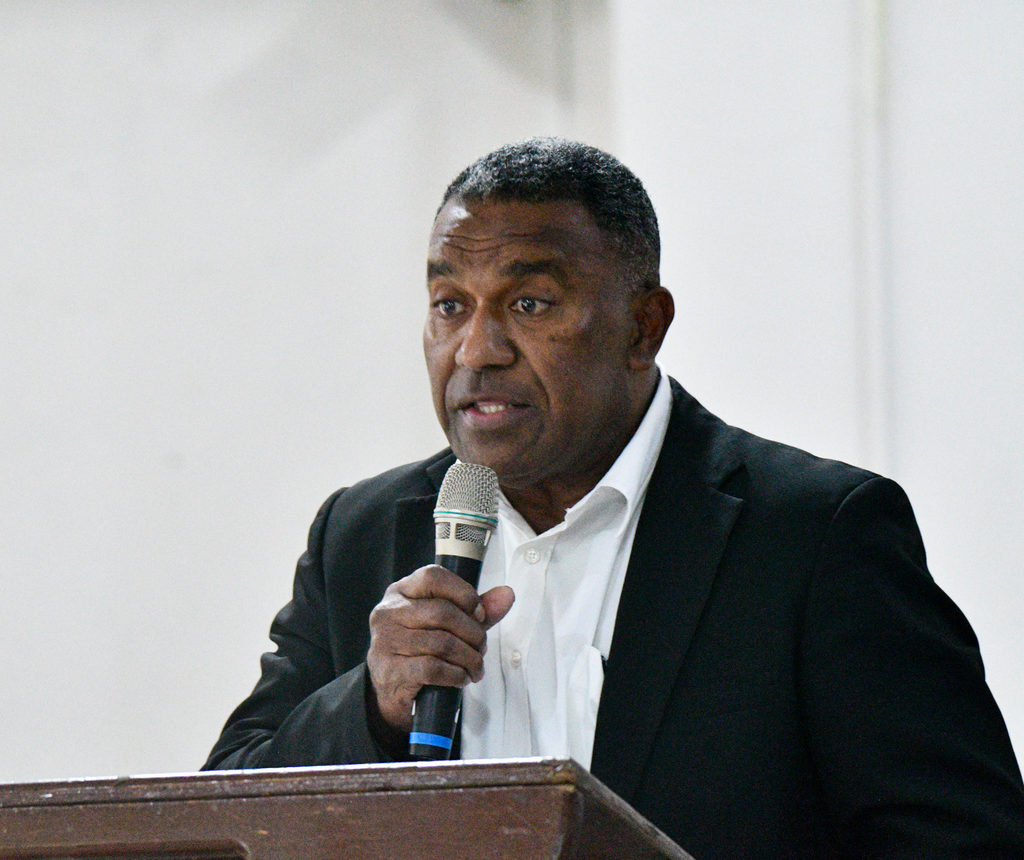
This week in Parliament, the Minister for Local Government, Maciu Nalusima, released details of salary and allowances paid to special administrators since their appointment to November 2024.
He said the salary entitlements of special administrators were determined in accordance with the Higher Salaries Commission Act 2023.
Mr Nalusima added the special administrators salaries determination was based on the size of the councils, which is either small, medium or large.
He added the salary of the chief executive officer (CEO) and acting as CEO is also determined by the Higher Salaries Commission.
Acting CEO
The minister revealed three municipal councils were currently looked after by an executive chairperson.
In Suva, the acting chief executive officer is Tevita Boseiwaqa who was appointed to the position on July 4, 2024.
His salary as approved by the Higher Salaries Commission was $159,386.
At the Nasinu Town Council, the acting CEO is Felix Magnus who was also appointed on July 4, 2024.
He is currently on annual remuneration of $79,549.80.
At the Tavua Town Council, acting CEO Sireli Korovulavula was appointed on October 22, 2024.
He is currently on acting salary for Acting CEO, awaiting approval from Higher Salaries Commission.
He is only paid the special administrator’s allowance of $12,000 per annum until the approval from the Higher Salaries Commission.
Mr Nalusima said there are no executive chairperson as the ministry does not consent to the creation of a new position within the council.
He added the salary is calculated similar to the civil service acting formula, which is 95 per cent of the difference of the salary of the special administrator and the CEO is added to the base salary of the special administrator.
“The rationale for appointing the acting CEOs for the councils was essential to ensure the streamlining of municipal services, improving infrastructure development, strengthening the revenue streams, bringing about financial stability, preparation of annual accounts and publication of annual reports,” said Mr Nalusima.
He added prior to the appointment of the acting CEOs, the ministry had sought legal advice from the Office of the Solicitor-General on the legal implications.
“The decision to appoint acting chief executive officers for the three councils is an interim arrangement only. The appointment will end as soon as the councils are able to recruit qualified and suitable CEOs to lead the respective organisations,”‘ said Mr Nalusima.
KPMG hired to assist to recruit new CEOs
Mr Nalusima said municipal councils have engaged the services of KPMG Advisory (Fiji) Ltd as the recruiting agency to support the councils in the recruitment of CEOs.
He added the service of the local executive recruitment firm is to assist the municipal councils in the end-to-end selection and recruitment process for the positions of CEOs.
“This independent and transparent process is to enable the councils to recruit personnel who have the skills and experience required for the position.
The recruitment process is planned to start this month and is anticipated to be concluded by early 2025.”
He said the ministry is hopeful the municipal councils will be able to recruit visionary applicants who can contribute towards the reforms and success of the councils amongst other priority areas of the councils.
Expenditure for SAs and Acting CEOs
Mr Nalusima said the total expenditure for special administrators and acting chief executive officers for the 13 municipal councils from January to November 2024 amounted to $944,670.68.
Total amount (January to November 2024) paid to the special administrators of the small councils is $172,714.66.
“This is the allowances paid to these special administrators by the Ministry of Local Government.
“The special administrators are paid allowances for meals and travels for out-of-station visits as well.
“This is paid by the municipal councils from the council funds,” said Mr Nalusima.
He told Parliament the total allowance (meals, accommodation, travel) paid by the councils amounted to $735,363.02 between January to November 2024.
“The allowances of the special administrators of the 13 municipal councils have been approved by the Higher Salaries Commission as required under the Higher Salaries Commission Act 2023. Needless to say, the appointment letters and the relevant documents issued to these special administrators had been vetted by the Office of the Solicitor General to ensure there were no adverse legal implications of the process.”