
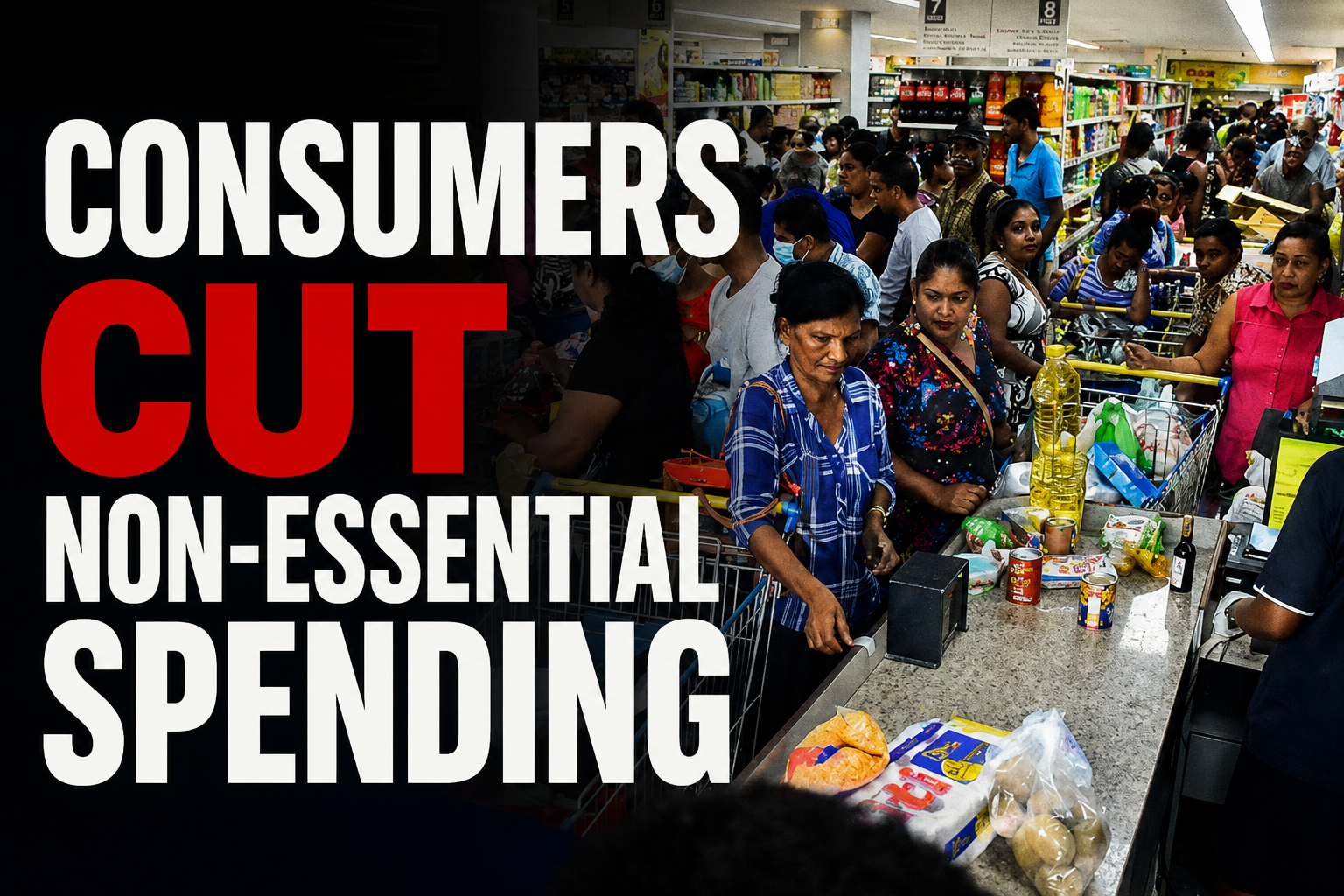
Fiji’s consumer spending is showing signs of slowing down, with the Reserve Bank of Fiji warning that higher fuel and electricity costs are likely to further weaken household demand in the months ahead.
In its May 2026 Economic Review, the RBF said the latest partial indicators point to a moderation in consumption activity across the economy.
New consumption-related lending fell by 9.7 percent cumulatively to April, reflecting weaker borrowing by households and businesses. The decline was largely driven by a 14.8 percent drop in lending to the wholesale, retail, hotels and restaurants sector, suggesting softer spending and investment activity.
The central bank expects consumption to weaken further as rising fuel prices and the recent Energy Fiji Limited tariff increase place additional pressure on household budgets.
According to the RBF, higher energy costs are expected to reduce disposable incomes, dampen consumer and business confidence and curb discretionary spending.
The bank’s outlook is supported by findings from its February 2026 Retail Sales Survey, which showed retailers anticipating a much slower pace of growth this year.
Retail sales activity is now expected to increase by just 2.1 percent in 2026, significantly lower than the 6.8 percent growth projected in the August 2025 survey.
The slowdown is mainly attributed to moderating demand for non-essential goods as consumers become more cautious with spending amid rising living costs.
The latest assessment adds to growing signs that Fiji’s post-pandemic consumption boom is easing, with households increasingly prioritising essential expenses such as food, fuel and utilities over discretionary purchases.
While consumer spending remains a key driver of economic activity, the RBF said elevated energy costs are likely to weigh on demand and confidence throughout the remainder of the year.

