
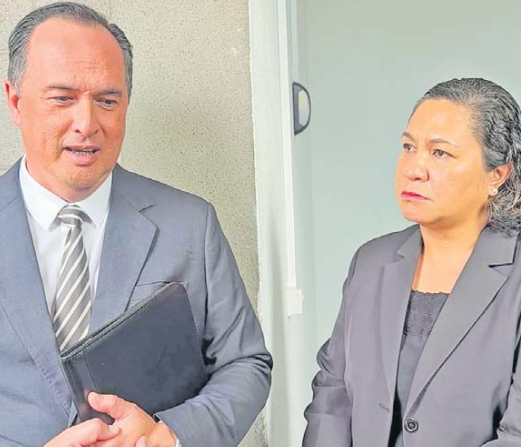
The controversial Commission of Inquiry (COI) report into the appointment of Barbara Malimali as Commissioner of the Fiji Independent Commission Against Corruption was thrown out by the High Court yesterday.
Justice Dane Tuiqereqere ruled that the COI was not legally effective after January 31, 2025, because the President had no legal power to extend its term. He said in any event the COI had denied natural justice to the four applicants, including Ms Malimali and former Attorney-General Graham Leung, in not first giving them notice of its critical findings against them and giving them a chance to respond.
Ms Malimali, Mr Leung and two senior lawyers – Law Society president Wylie Clarke and his predecessor, Laurel Vaurasi – issued proceedings last year challenging the findings against them in the COI Report and the actions of the President and Prime Minister in allowing the report to be published.
Justice Tuiqereqere also ruled that both President Ratu Naiqama Lalabalavu and Prime Minister Sitiveni Rabuka had failed to give the four applicants procedural fairness by releasing the COI Report to the public before giving them proper notice of the adverse findings against them.
In his 154 page judgment he described a number of the COI report’s findings as “irrational” and blasted Commissioner David Ashton-Lewis’s language in places as “extreme and intemperate”, agreeing with one lawyer that “it was not the language of a dispassionate finder of facts.”
Justice Tuiqereqere noted there was “more than ample evidence” of apparent bias on the part of Justice Ashton-Lewis, concluding that a fair-minded observer would apprehend that the Commissioner approached the inquiry “with a preconceived belief that interference had occurred in Ms Malimali’s appointment”.
He rejected the report’s criticism of Mr Clarke and Ms Vaurasi for visiting FICAC on September 5, 2024, to resolve Ms Malimali’s arrest by her deputy, Frances Pulewai, saying this was beyond the COI’s terms of reference.
He described as “irrational” the COI Report’s attack on the Fiji Law Society for raising questions about the appointment of New Zealand lawyer Janet Mason as counsel assisting the COI. The Law Society had raised with the COI the fact that Ms Mason was facing disciplinary proceedings in New Zealand.
While the judge acknowledged that the COI served a useful purpose and made valid observations — noting his view that it was inappropriate for Ms Malimali to be appointed while an active criminal investigation against her was pending — the procedural and legal flaws rendered the report invalid.
He declared the COI’s term extension ineffective, quashed the adverse findings as irrational or outside the terms of reference, and ruled the report null and void.
The case is not yet over, with the court requiring the parties to appear again on August 25 for argument on whether damages should be paid to the applicants and on legal costs.
Mr Leung welcomed the ruling, noting that the COI had been voided and its findings quashed.
“The State can appeal the judgment, so I think I should be circumspect in what I should say, but I just want to take this opportunity of thanking God for his faithfulness and mercy,” Mr Leung said.
Lawyer Samuela Savu, representing Ms Malimali, said his client was relieved that justice had been served
“It’s been a long battle for Ms Malimali trying to clear her name,” he said.
In a joint statement, Mr Clarke and Ms Vaurasi said the judgment delivered a clear message that governments and commissions of inquiry must act lawfully, fairly, and within their authority.
“This litigation would not have been necessary had the Commission done its job properly,” they said.

