
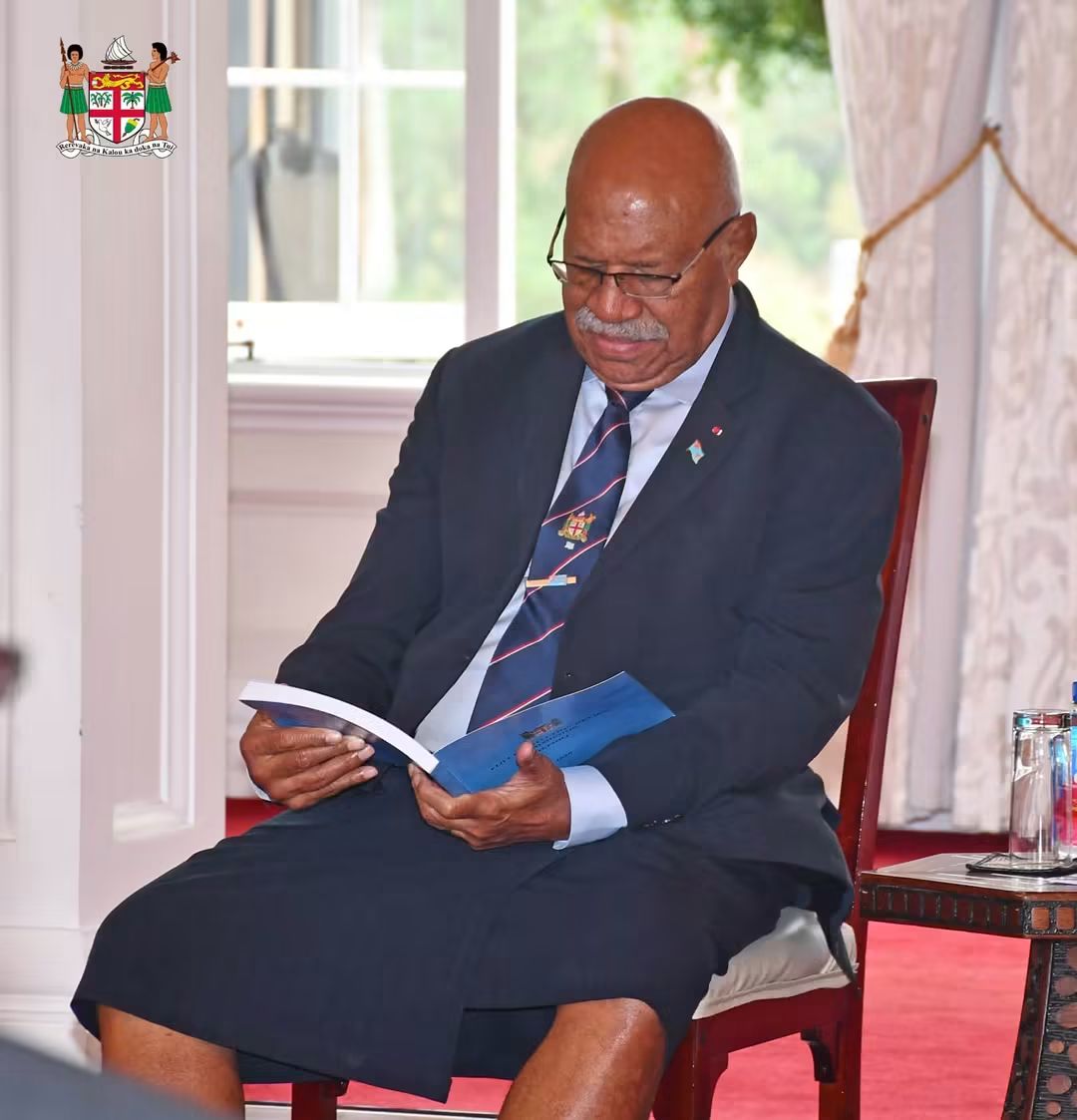
THE Constitution Review Commission’s report containing recommendations for Fiji’s new constitution could be made public after it is considered by Cabinet, Prime Minister Sitiveni Rabuka says, as calls grow for its release.
Speaking to the media yesterday, Mr Rabuka said Cabinet would receive the report first, allowing ministers time to study its contents before Parliament resumes later this month.
Asked whether the report would subsequently be released, Mr Rabuka said it could be made available electronically, likely online, allowing Fijians to access its contents without having to obtain what he described as a “voluminous book”.
He said Government would not select individual recommendations from the review, but would consider the views gathered through the commission’s public and stakeholder consultations as a whole.
The recommendations would first be considered by Cabinet before any proposed constitutional amendments were drafted into a Bill and taken to Parliament.
Mr Rabuka also called for calm following concerns raised in Facebook posts about issues contained in the report, saying such discussions could result in people taking hardline positions before the recommendations had been properly considered.
He also rejected suggestions that Fiji’s decision not to attend the Pacific Islands Forum leaders’ meeting in Palau was influenced by China.
Mr Rabuka said he had remained in Fiji to attend the presentation of the report to the President and that it would have been improper for him to be absent.
“We have not been influenced by anybody,” he said.
Meanwhile, Opposition MP Premila Kumar called on Government to immediately release the commission’s original report before making any changes to its recommendations.
Mrs Kumar said the constitutional reform process must be transparent and open to public scrutiny, arguing that Fijians could not meaningfully participate in the process without access to the documents.

