As the world marks the International Day of Family Remittances today, attention is once again turning to the crucial role money sent home by migrant workers plays in supporting families. It helps reduce poverty and drives economic development.
Observed annually on June 16 and recognised by the United Nations General Assembly, the day highlights the growing importance of remittances as a source of income for millions of households around the world.
These transfers help families meet essential needs such as food, housing, healthcare and education, while also creating opportunities for investment and entrepreneurship.
For Fiji, the impact of remittances is increasingly evident.
Labour mobility programmes continue to generate significant economic and social benefits, with remittance inflows surpassing $1 billion last year.
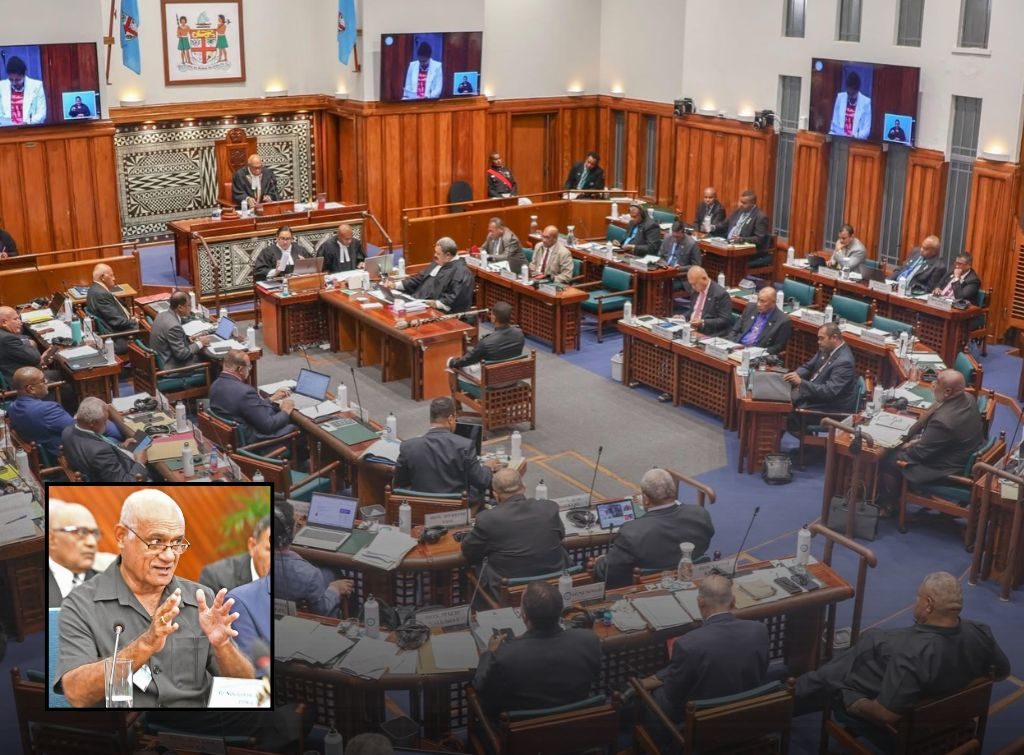
Speaking in Parliament in March, Employment Minister Agni Deo Singh said the Pacific Australia Labour Mobility (PALM) Scheme and New Zealand’s Recognised Seasonal Employer (RSE) Scheme remained important contributors to household wellbeing and economic resilience.
He said more than 2,000 Fijians participated in the PALM and RSE schemes in 2025, generating remittances that directly supported families through household expenses, education, healthcare, housing and small business investments.
Mr Singh said the Government had strengthened pre-departure training, improved overseas support services and enhanced reintegration programmes to ensure workers returning home could utilise the skills gained abroad.
Fiji has also appointed four Country Liaison Officers in Australia and one in New Zealand to provide direct support to workers.
He highlighted the PALM Scheme’s family accompaniment pilot programme, introduced in 2024, has so far involved about 90 families.
The initiative allows some workers to take family members overseas, helping reduce the social impacts of long-term separation.
The growing importance of remittances is also reflected in Fiji’s expanding digital payments sector.
According to the Reserve Bank of Fiji (RBF), inward remittances received through mobile money platforms totalled $742.3 million last year, helping drive record growth in digital wallet and QR code transactions.
The country’s five licensed payment service providers processed 116.4 million digital wallet transactions worth $7.3 billion in 2025, while QR code payments reached $672.3 million by year-end.
The RBF said most mobile money remittances originated from Australia, New Zealand, the United States, the United Kingdom and Canada.
By December, Fiji had more than 957,000 registered e-money users, with over 722,000 actively using digital payment services. RBF Governor Ariff Ali said smartphone adoption and digital technology were rapidly changing the way people make payments.
He noted that QR code payments offer a fast, secure and convenient alternative to cash and are particularly valuable in areas with limited access to traditional banking services.
The central bank is now working towards a single standardised QR code system to improve interoperability across payment platforms and simplify transactions for businesses and consumers.
Globally, the United Nations estimates remittances exceed $830 billion annually, providing a vital lifeline for millions of families.
In Fiji, the combination of labour mobility opportunities and expanding digital payment systems continues to strengthen the role remittances play in supporting household incomes, community development and long-term economic growth.