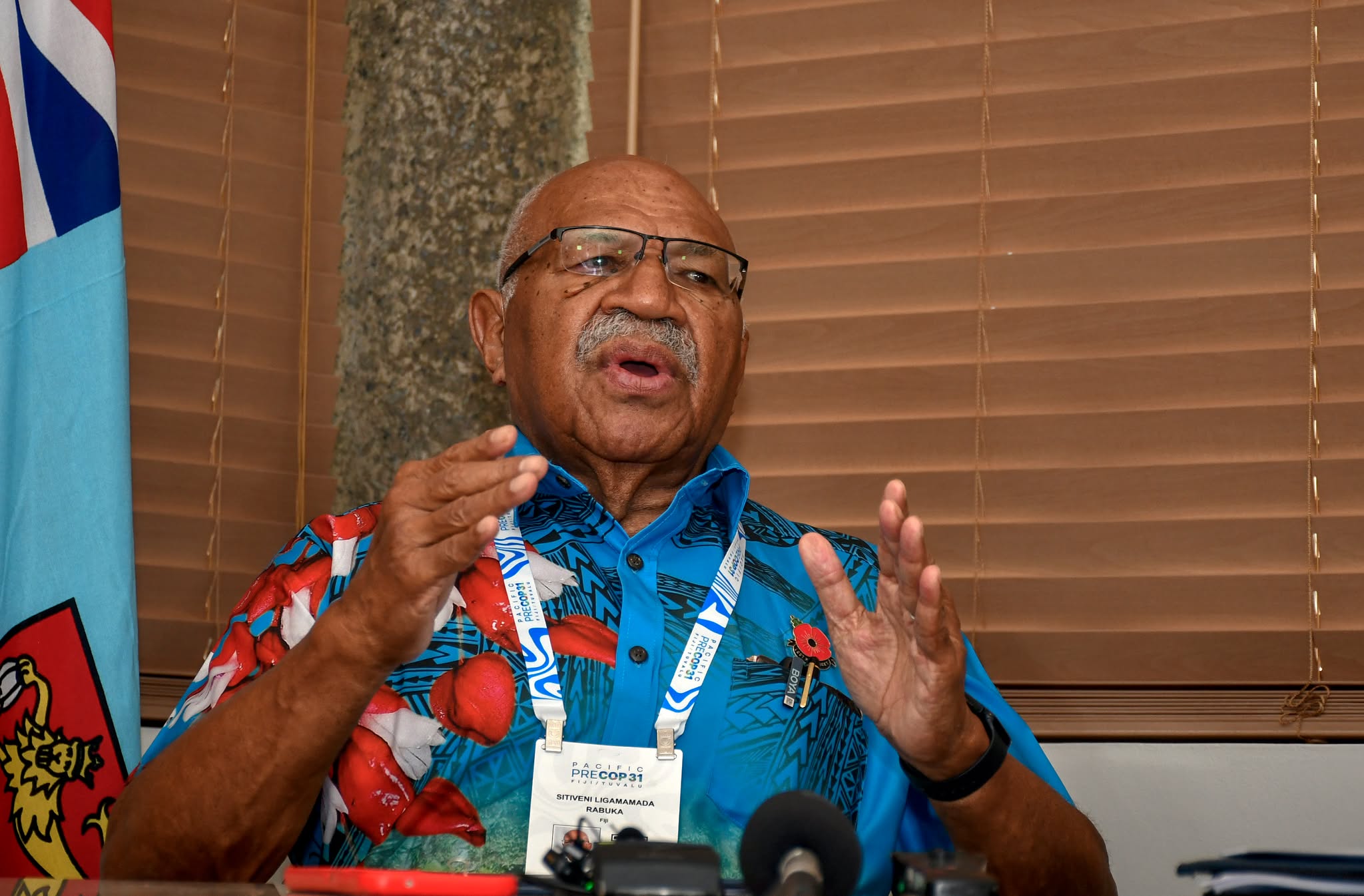
PRIME Minister Sitiveni Rabuka’s announcement of December 9 as the date for the proposed national referendum depends on other conditions being met, says Suva lawyer and former supervisor of elections and Jon Apted.
Mr Apted said the referendum date could only become legally binding after two key conditions were met — the Special Parliamentary Committee completed its work and Parliament passed the Constitution (Amendment) Bill 2026 at its third reading with the required two-thirds majority.
He said the committee was expected to complete its task and report by around November 2, but the Bill would still need to be voted on by the required Parliamentary majority at its third reading.
“The Prime Minister’s announcement assumes both conditions would be met, but there remains a possibility that they may not be,” Mr Apted said.
“The current Constitution requires a period of at least 30 days between the second and third Readings. Parliament has decided that period should be used for public consultations.”
Mr Apted said the timing presented a challenge, with five days already having passed in the 30-day period.
He said Mr Rabuka was entitled to announce a date in advance, but it should have been presented as the Government’s intended date if the Bill was passed.
Mr Apted said the National Referendum Act 2026 also provided for the Electoral Commission to manage potential overlaps between referendum and general election campaigning.
“In this case, no referendum has been called yet so the Electoral Commission cannot yet make a binding decision.”